
Reviewed · HISTORICAL TOURS
Khiva: Historical City Highlights Guided Walking Tour
Khiva rewards slow looking. This four-hour walk through Itchan Kala brings the old city’s tiled facades, wooden columns, sacred sites, and tall minarets into a clear story rather than a blur of beautiful buildings. I like the way the tour combines major sights with local stories, and I especially like that guides such as Iroda connect Khiva’s past with daily life in Uzbekistan today. The main drawback is that entrance tickets cost extra, and the walk may feel rushed if sites are close to closing time.
At $19 per person, the guide is a strong value for a first visit. You get a private or small-group format, an English, Uzbek, or Russian-speaking guide, and help handling entry at the old city ticket office. You should still budget for the separate attraction ticket and wear proper walking shoes, since this is a four-hour outing with no vehicle support.
In This Review
- The essential details at a glance
- Why a guide helps in Itchan Kala
- Allakuli Khan Madrasah begins the architectural story
- Islam Khoja Minaret gives Khiva its signature view
- Pahlavan Mahmoud Mausoleum adds a quieter, spiritual pause
- Juma Mosque is the route’s most distinctive interior
- Itchan Kala is the main event, not just a backdrop
- The guide can make this tour far better
- The $19 price is good, but the ticket cost changes the calculation
- Timing, walking, and comfort matter
- Who should book this Khiva walk?
- FAQ
- How long does the Khiva walking tour last?
- What places are visited?
- Are entrance tickets included in the $19 price?
- Where does the tour start?
- Which languages are available?
- Can I book a private tour?
- Is the tour suitable for wheelchair users?
- Should you book it?
The essential details at a glance
- Four hours on foot: You spend the afternoon walking through Khiva’s compact old city, with stops lasting roughly 20 to 40 minutes.
- Five major sights: The route covers Allakuli Khan Madrasah, Islam Khoja Minaret, Pahlavan Mahmoud Mausoleum, Juma Mosque, and the wider Itchan Kala area.
- Guide quality matters: Iroda receives especially warm praise for clear English, patience, humor, and stories about modern Uzbek life. Bonu and Shaxzodabonu have also guided this experience.
- Tickets are separate: Your guide helps you buy the required entrance tickets, but the $19 tour price does not include them.
- Flexible group style: Private and small-group options are available, making it easier to ask questions or adjust the pace.
- Plan for heat and worship sites: Bring water, sunscreen, and a hat in warm months. Flash photography is not allowed inside certain places.
Why a guide helps in Itchan Kala
Itchan Kala is wonderfully compact, but its visual drama can work against you. You turn one corner and see a blue dome, a carved doorway, a brick minaret, and a courtyard full of old-school architecture. Without context, it is easy to take a few photographs and move on without understanding what you are seeing.
A good guide gives those buildings a role in Khiva’s story. You learn which structures were madrasahs, which were mausoleums, and why the city’s religious buildings were also centers of teaching, trade, and community life.
This tour also has an advantage over a purely fact-based walk. Several guides have been praised for adding old tales, local customs, food advice, and personal observations about life in Uzbekistan. Iroda, in particular, is often described as warm, funny, patient, and easy to understand in English. One particularly strong feature of her style is the link between historic Khiva and present-day issues, including the lives of women.
That human connection is worth paying for. A guide can tell you what a building is, but a good one also helps you understand why it still matters.
More Walking Tours in Khiva
- Khiva Historical City Highlights Guided Walking Tour
★ 5.0 · 30 reviews - Khiva Walking Tour
★ 4.7 · 22 reviews - Khiva Walking Tour
★ 4.5 · 15 reviews
Allakuli Khan Madrasah begins the architectural story
The first main stop is Allakuli Khan Madrasah, a 19th-century Islamic school with a handsome architectural presence. The stop lasts about 20 minutes, enough time for a guided explanation, photographs, and a closer look at the facade.
This is a useful opening because it introduces the madrasah as more than a decorative building. Your guide can explain its place in Khiva’s religious and educational life, then point out details you might otherwise pass without noticing.
The stop is mainly visual, so your enjoyment will depend on how much you like architectural detail. If you prefer dramatic panoramic views, the minaret later in the route may make a bigger impression. Still, Allakuli Khan Madrasah gives the tour a solid historical starting point and helps you read the old city’s buildings with more confidence.
Islam Khoja Minaret gives Khiva its signature view
The Islam Khoja Minaret is the most instantly recognizable stop on the walk. Its narrow, rising form is one of Khiva’s defining sights, and the tour allows about 30 minutes here for a visit, a guided explanation, and a walk around the structure.
The minaret is more than a photo stop. It represents the scale and ambition of Khiva’s religious architecture, and your guide can place it within the city’s wider story. Look closely at its surface and proportions rather than simply photographing it from a distance.
The supplied details do not promise that every group climbs the minaret, so you should not book this tour expecting a guaranteed rooftop view. The stated activity is a visit and walk, with photography included where permitted. Flash photography is forbidden inside certain sites, so keep your camera settings respectful.
This is also one of the places where the pace can vary. A small group with many questions may spend longer here, while a late-running group may need to keep moving.
Pahlavan Mahmoud Mausoleum adds a quieter, spiritual pause
The Pahlavan Mahmoud Mausoleum receives about 20 minutes on the route. It honors Pahlavan Mahmoud, a revered Sufi saint, and offers a different mood from the tall minaret and grand madrasah.
This stop matters because Khiva is not only a collection of royal and religious monuments. It is also a place of devotion. Your guide can help you understand the respect attached to the mausoleum and explain its religious and cultural importance without treating it as just another decorated room.
You should dress and behave with care here. Keep your voice low, follow your guide’s instructions, and remember that photography rules can vary inside sacred places. The tour information asks you to respect the cultural and religious meaning of every site, and that is especially important at the mausoleum.
The short visit is enough for an introduction, though readers wanting a long period for quiet reflection may find 20 minutes brief.
Same stretch of the Silk Road, a different sort of day:
- Transfer: Bukhara – Khiva via Ancient Fortresses
★ 4.5 · 101 reviews - Daytrip From Khiva To Ancient Fortresses
★ 4.6 · 60 reviews - Aral Sea Adventures (2 day)
★ 5.0 · 30 reviews - Guided Tour To Old Fortresses
★ 5.0 · 25 reviews
Juma Mosque is the route’s most distinctive interior
Juma Mosque is one of the most memorable stops because of its forest of wooden columns. The mosque is described as a 10th-century masterpiece of wooden-column architecture, and the tour gives it about 20 minutes.
This is the sort of place where a guide adds real value. The interior can seem simple at first, especially after the colored tiles and imposing facades elsewhere in Khiva. Then you begin looking at the columns, the spacing, and the atmosphere. A guide helps you notice how different this building feels from the more decorative monuments.
It is also a good reminder that historic architecture does not need excessive ornament to make an impact. Take a moment to look upward and around rather than rushing to the next stop.
Again, flash photography is not allowed inside certain sites. Even where ordinary photography is permitted, be considerate of worshippers and other people visiting the mosque.
Itchan Kala is the main event, not just a backdrop
The route gives roughly 40 minutes to Itchan Kala itself, including guided sightseeing, walking, and photo stops. Technically, you are already moving through Itchan Kala during the earlier visits, but this final portion helps bring the old city together as a whole.
The UNESCO World Heritage site contains the setting that makes the individual monuments meaningful. Madrasahs, mosques, mausoleums, minarets, courtyards, and lanes form a complete historic center rather than isolated attractions.
This is where you should let the tour breathe. Look beyond the most famous facade. Notice the scale of the lanes, the changing colors of the brick and tile, and the quieter corners that a guide may point out. Several people found that Iroda and other guides adjusted the pace, showed less obvious parts of the old town, and suggested places to eat or buy souvenirs.
The itinerary lists about 130 minutes of guided stops, not counting the walking between them. In practice, the full experience lasts four hours, and one person reported a tour of about three and a half hours. That variation is normal for a walking tour, especially when groups ask questions or spend extra time taking photographs.
The guide can make this tour far better
The strongest feature is the human side of the experience. Iroda is repeatedly praised for excellent English, clear explanations, patience, humor, and a natural way of answering questions. She has also been described as a schoolteacher, which may help explain her lesson-like approach to Khiva’s past and present.
That does not mean every guide will deliver exactly the same experience. One person found the historical explanation too focused on dates and not detailed enough, while another said the final stops felt hurried because buildings were nearing closing time. Those comments point to the two things you should manage actively: ask questions and confirm the starting time.
The guide languages are English, Uzbek, and Russian. If your English is not strong, a small group or private option may help you follow the explanation more easily.
The small-group format is useful for a city like Khiva. You can ask about architecture, local food, family life, religion, or modern Uzbekistan without waiting behind a large crowd. Guides have also shared advice about restaurants outside the old city, local cuisine, bread, and other places to explore after the tour.
The $19 price is good, but the ticket cost changes the calculation
The listed price is $19 per person, which is reasonable for four hours with a live guide, especially if you choose a small group. A private option may offer better value for couples or families who want to control the pace, though the exact price depends on the booking choice.
The important catch is that entrance tickets are not included. You purchase them at the start, and your guide assists with the process. The supplied information does not give one fixed ticket price, so check the current amount before booking. One person reported paying about €20 extra per person for museum and attraction access, but you should treat that as a personal cost report rather than a guaranteed price.
Even with the added admission, the tour can make financial sense. You might buy access to the old city sights anyway, and the guide helps you use that access with a better understanding of what you are seeing. If you only want exterior photographs, paying for a guided walk plus entry may feel unnecessary. If you want the stories behind the buildings, the price is easier to justify.
Timing, walking, and comfort matter
This is an afternoon walking tour lasting up to four hours. Khiva’s old city is compact, but you remain on your feet for much of the experience. The activity is not suitable for people with mobility impairments or wheelchair users.
Wear comfortable walking shoes. Bring water, sunscreen, and a hat in warm weather, and prepare for changing conditions at other times of year. There is no promised coffee break, and one person specifically wished for a short stop during the long walk, so take care of drinks before you begin.
Starting points can be the Caravan monument or the Khiva old town ticket office. The exact meeting point depends on the option you book, and the tour may finish at the ticket office or within Itchan Kala. Add your WhatsApp number when booking, since the operator uses it for contact and asks you to download WhatsApp if you do not already have it.
One practical tip: choose an earlier start if you can. A later departure may be pleasant in cooler weather, but it leaves less room if a building is about to close. A previous group felt the last two stops were rushed and suggested beginning an hour earlier.
Who should book this Khiva walk?
I would choose this tour if you are visiting Khiva for the first time and want a clear introduction to Itchan Kala. It suits people who enjoy history, architecture, photography, and conversations about local culture.
It is also a good fit if you usually explore alone but want help at the start. The city is easy to walk through, yet the meaning of its buildings is not always obvious. A guide can save you from seeing only the most photogenic surfaces.
You may want a different plan if you dislike extended walking, cannot manage uneven ground, or prefer to linger for a long time at each attraction. You should also consider exploring independently if your main goal is taking photographs at your own pace and you do not care much about historical explanation.
For the best result, tell your guide what interests you. Ask for more stories if you want context, request time for photos, and say so if you prefer quieter corners over a fast checklist of monuments.
FAQ
How long does the Khiva walking tour last?
The advertised duration is four hours. The guided visits take about 20 to 40 minutes each, and one reported experience lasted around three and a half hours.
What places are visited?
The route includes Allakuli Khan Madrasah, Islam Khoja Minaret, Pahlavan Mahmoud Mausoleum, Juma Mosque, and the UNESCO World Heritage site of Itchan Kala.
Are entrance tickets included in the $19 price?
No. Entrance tickets are not included. You buy them at the beginning of the tour, and the guide assists you with the process.
Where does the tour start?
The available starting points are the Caravan monument and the Khiva old town ticket office. The exact meeting point depends on the option booked.
Which languages are available?
Live guiding is available in English, Uzbek, and Russian.
Can I book a private tour?
Yes. Private and small-group options are available.
Is the tour suitable for wheelchair users?
No. The activity is not suitable for people with mobility impairments or wheelchair users.
Should you book it?
Book this tour if you want Khiva’s remarkable buildings explained rather than simply photographed. The $19 guide fee is fair, the route covers the essential sights, and guides such as Iroda have shown a real talent for mixing clear history with stories about Uzbek culture and modern life.
Before booking, confirm the separate entrance cost, choose a start time that allows the final sites to be visited without rushing, and bring water and good shoes. With those details handled, this is a practical and worthwhile way to get your bearings in Itchan Kala and understand why Khiva deserves more than a quick afternoon of photographs.
More History Tours in Khiva
- Samarkand: Historical Monuments Guided Walking Tour
★ 4.8 · 446 reviews - Samarkand: Historical Monuments Group Walking Tour
★ 5.0 · 29 reviews - Private Guided Tour Samarkand city history and culture
★ 5.0 · 22 reviews - Samarkand Historical City Highlights Guided Walking Tour
★ 5.0 · 22 reviews
More City Tours in Khiva
- Khiva City Tour
★ 4.0 · 2 reviews - Private Samarkand City Tour With Transportation
★ 5.0 · 149 reviews - A City Tour Of Samarkand: The Pearl Of The East
★ 5.0 · 133 reviews - Tashkent City Tour
★ 5.0 · 121 reviews
Freshly added in Khiva
- Traditional Khiva Cooking Class with Market Visit & Lunch★ 5.0 · 4 reviews
- Day Trip Top 3 Fortresses departure from Khiva Self-Guided Tour★ 5.0 · 2 reviews
- Transfer From Khiva To Bukhara★ 5.0 · 2 reviews
- Master Class – Uzbek Bread (Khiva)★ 3.5 · 4 reviews
- Old Khiva Stories with Your Local Guide★ 5.0 · 5 reviews
- A Night In The Kyzylkum Desert [2] From Khiva★ 4.5 · 3 reviews
- Daytrip From Khiva To Ancient Fortresses★ 5.0 · 2 reviews
- Khiva City Tour★ 4.0 · 2 reviews
Historical Tours, compared.
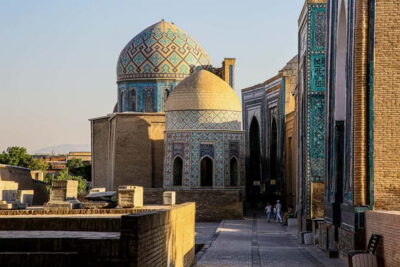
Samarkand: Historical Monuments Guided Walking Tour
Read our review →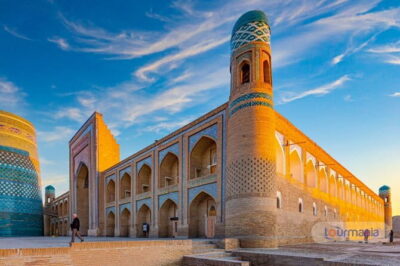
Khiva Historical City Highlights Guided Walking Tour
Read our review →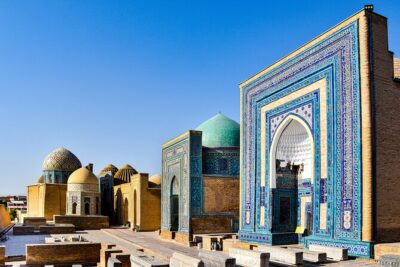
Samarkand: Historical Monuments Group Walking Tour
Read our review →
Samarkand Historical City Highlights Guided Walking Tour
Read our review →
Private Guided Tour Samarkand city history and culture
Read our review →
Bukhara Historical City Highlights Guided Walking Tour
Read our review →
Samarkand Walking Tour History Culture and Hidden Gems
Read our review →
Bukhara in a Day History, Culture, and Local Insight Private Tour
Read our review →Browse the lists this tour appears in