
Reviewed · WORKSHOPS
Master Class – Uzbek Bread (Khiva)
Bread is the best kind of souvenir. This short Khiva class gives you a hands-on look at traditional Uzbek bread, not just another walk past tiled buildings. I like the chance to shape your own loaf and add ornamental stamps, and I like that you eat the bread you helped make. The main concern is value: at $15 for about 45 minutes, the class needs clear instruction to feel worthwhile.
The activity takes place at the Mirza Boshi Tea House in Khiva and ends at the same spot. You receive tea and use of the baking equipment, and the bread you make is included. One important tip is to keep your expectations in check: some participants receive plenty of help and explanation, while others find the session too brief and feel they paid mostly for bread.
In This Review
- What makes this bread class worth considering
- Why bread is a smart break from Khiva sightseeing
- Meeting at Mirza Boshi Tea House
- The first stage: preparing the traditional Uzbek bread
- Adding flour patterns and ornamental stamps
- Working beside the bread maker
- Tea and eating the bread you made
- Is $15 a fair price in Khiva?
- What the strongest parts of the class are
- What could make the experience disappointing
- Who should book this Khiva activity?
- Should you book the Uzbek Bread Master Class?
- FAQ
- Where does the Uzbek bread class begin?
- Where does the activity end?
- How long does the class last?
- How much does the experience cost?
- Is the activity private?
- What is included in the price?
- Are personal expenses included?
- Do I receive confirmation after booking?
- Can I use a mobile ticket?
- What is the cancellation policy?
What makes this bread class worth considering
- You prepare the bread yourself: Shape the dough, add decorative patterns, and take part in the baking process.
- The heat is taken seriously: You wear special tanker clothing before working near the bread maker.
- Your bread is part of the experience: The loaf you make is yours to eat, with tea included.
- The class lasts about 45 minutes: It fits neatly into a busy day in Khiva.
- You meet at Mirza Boshi Tea House: The activity begins and ends at the same central meeting point.
- It is a private activity: Only your own group participates, rather than joining a larger public class.
Why bread is a smart break from Khiva sightseeing
Khiva can become a steady march of gates, minarets, courtyards, and blue tile. Those sights are worth your time, but after several hours inside the old city, a practical activity can refresh your day. This class changes your role from observer to participant.
You do not simply watch a baker work. You handle the dough, make the ornamental marks, and help place the bread in the bread maker. That small amount of work gives you a better sense of how food fits into daily life in Uzbekistan than another quick photograph from a street corner.
I also like the modest scale. A 45-minute session does not swallow your afternoon, and the return to the meeting point keeps the plan simple. You can place it between sightseeing stops, a meal, or a slower walk through Khiva.
Still, the class is not a full cooking course. The advertised time is short, and the information provided does not promise a long talk about regional bread, ingredients, or the wider role of bread in Uzbek culture. If you want a detailed food lesson, you may find this too light.
More craft workshops in Khiva:
- Traditional Khiva Cooking Class with Market Visit & Lunch
★ 5.0 · 4 reviews - Samarkand: Village Tour with Plov Cooking Class & Home Visit
★ 5.0 · 29 reviews - Samarkand: Uzbek Cooking Class in a Village Home
★ 5.0 · 22 reviews
Meeting at Mirza Boshi Tea House
Your starting point is Tea House Mirza Boshi in Khiva, Xorazm Region, Uzbekistan. The activity ends back at this meeting point, so you do not need to arrange a separate pickup or find your way to another part of town afterward.
That fixed start and finish are useful in Khiva, where you may already be navigating a dense sightseeing schedule. Check the exact meeting details on your confirmation, especially if your booking uses the name Mirza BoshiKhiva without spaces.
The booking provides a mobile ticket, which is handy if you are carrying a phone rather than printed paperwork. Confirmation arrives at the time of booking, so you should have the basic details ready right away.
This is a private activity for your group only. That matters if you prefer to ask questions freely, work at your own pace, or avoid being placed with a large class. It also means the quality of the session can depend heavily on how much attention your group receives from the team.
The first stage: preparing the traditional Uzbek bread
The class begins with an introduction to preparing Uzbek bread. The central idea is simple: you learn by doing, with the professional team helping you through the process.
The available details do not set out a precise minute-by-minute schedule or list every ingredient. You should therefore expect a practical demonstration and guided preparation rather than a formal lesson with a printed recipe.
You take part in preparing the loaf yourself. That is the strongest part of the activity for anyone who likes hands-on learning. Even if you do not leave with a new baking skill, you will have a better feel for the work involved in producing a traditional bread round.
The staff help you make the bread taste good and guide you through the steps. That support is especially useful if you have never worked with this style of bread before. You are not expected to know the technique in advance.
The class may feel more satisfying if you approach it as a cultural activity with food at the end, not as a serious professional baking lesson. At $15, you are paying for the setting, help, equipment, tea, and participation as well as the loaf itself.
Adding flour patterns and ornamental stamps
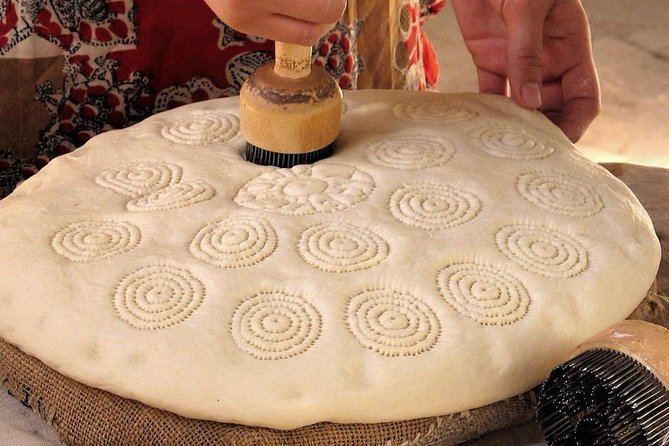
One of the most appealing details is the decoration. You fill or create ornamental patterns on the bread, and one participant described stamping some of their own bread. This gives you a small creative task rather than leaving all the work to the staff.
The marks also make the finished loaf feel personal. A plain piece of bread would be easy to forget. Bread that you shaped and decorated carries a little story, even if the process takes only a few minutes.
The provided information uses the phrase flower ornaments, while the practical description points to decorative bread stamping. Either way, you should expect to add a visible pattern before the bread goes into the bread maker.
This stage is likely to be a hit with children, couples, and anyone who enjoys simple craft activities. It also creates a clear difference between this class and a standard meal at a tea house. You are not only eating Uzbek bread. You are helping give it its final form.
Do not expect museum-level instruction about the meaning of every pattern. No detailed explanation of the decoration is promised. If that cultural background matters to you, ask the team directly during the session.
Same stretch of the Silk Road, a different sort of day:
- Khiva: Historical City Highlights Guided Walking Tour
★ 4.8 · 156 reviews - Transfer: Bukhara – Khiva via Ancient Fortresses
★ 4.5 · 101 reviews - Daytrip From Khiva To Ancient Fortresses
★ 4.6 · 60 reviews - Aral Sea Adventures (2 day)
★ 5.0 · 30 reviews
Working beside the bread maker
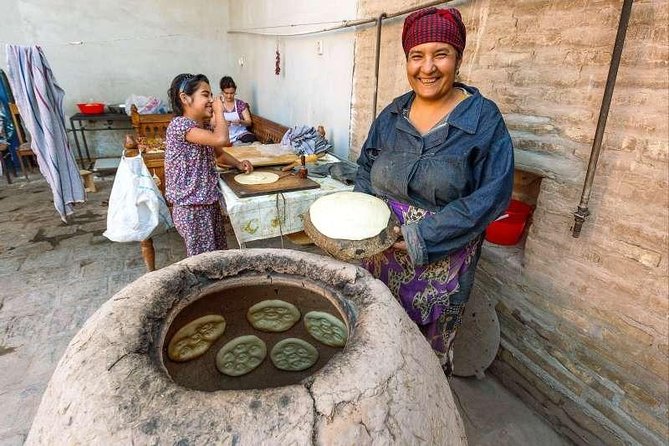
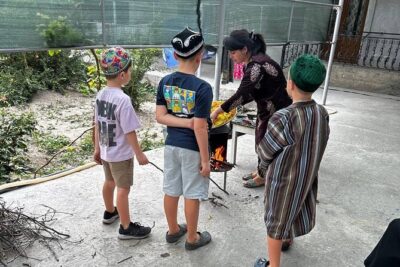
The class includes an unusual practical detail: before working around the high temperature, you wear special clothes described as tanker clothing. The purpose is to help protect you from the heat while you take part in the baking process.
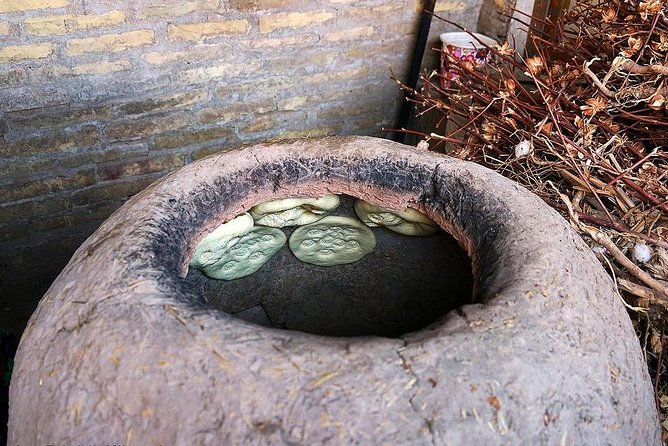
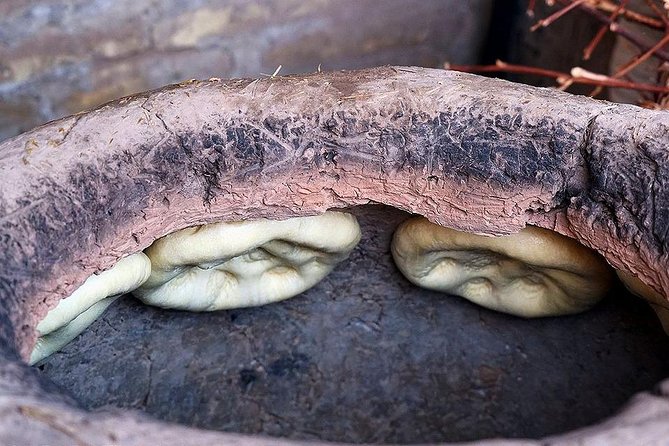
You also hang the bread in the bread maker. This is the moment when the class feels most different from a demonstration. You see your prepared loaf move from shaped dough toward finished food, with the team assisting you.
The baking equipment is included in the price, so you do not need to bring anything. The staff handle the process with you, which is important around hot equipment. You should follow their instructions closely and avoid treating the bread maker like a self-service oven.
The short schedule means the session may move at a brisk pace. If you want to take photographs, do so without letting the camera replace the activity. The real point is to take part, not only to record the bread hanging inside.
There is no promise that every person in the group will complete every step alone. The team assists with preparation and baking, and the precise division of work may vary. A smaller private group should make it easier to receive a turn and ask for help.
Tea and eating the bread you made
Tea is included, along with the bread you prepare. That simple finish gives the session a natural reward. You can sit with a warm result instead of leaving immediately after the baking process.
I like the fact that the bread is not treated as a display piece. You eat it yourself. This makes the activity feel connected to ordinary life, where bread is made to be shared and enjoyed rather than admired from behind glass.
A useful detail from the experience is that bread made during the class may also be served to customers at the restaurant. That can make the setting feel more connected to a working food business. At the same time, you should not assume that every loaf made in the session will be placed on the restaurant menu or served to other diners.
The class description does not specify a full meal, additional dishes, or drinks beyond tea. Plan it as a snack-sized food activity, not as a replacement for lunch or dinner. You may want to arrange a separate meal if you are hungry.
Is $15 a fair price in Khiva?
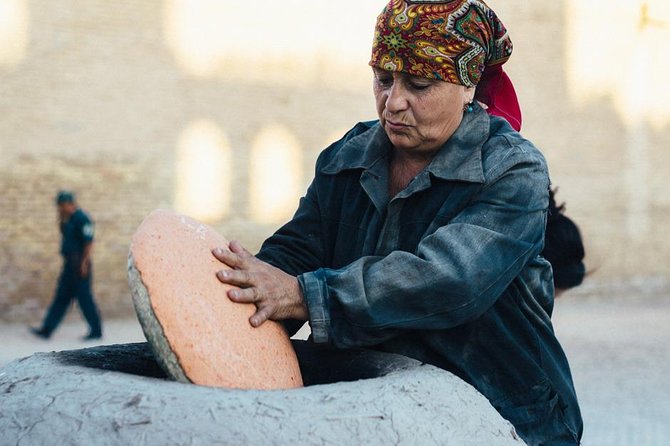
The price is $15 per person. For a private, 45-minute activity that includes tea, baking equipment, staff help, and the bread you make, that can be reasonable if you value participation and convenience.
The price feels less attractive if you judge it by the amount of food alone. A loaf of bread costs far less than $15 in many places, and one participant felt the class offered expensive bread without enough explanation. That criticism points to the main value question: you are paying for the activity, not merely the finished loaf.
I would book it when you want a short cultural stop and enjoy learning through your hands. I would skip it when you want a long food lecture, a full meal, or a serious baking workshop.
The private format improves the value for some groups. A family or small party can share the cost while receiving a more personal session. A solo visitor may find the per-person price harder to justify, unless the chance to participate matters more than the amount of bread received.
The rating is 3.5 out of 5 from four ratings, which fits the mixed value picture. Some participants found the class fun, informative, and a welcome change from building sightseeing. Another found it disappointing because the explanation was too limited. Your experience may depend on how much the team explains while you work.
What the strongest parts of the class are
The most praised elements are the hands-on format, the short length, and the simple pleasure of eating bread you helped prepare. Those qualities make the class especially useful during a longer Khiva stay when you want something different from monuments.
One participant described the session as short, informative, and fun, and liked stamping their own bread. They also appreciated seeing some of the bread they helped make served to restaurant customers. That detail gives the class a sense of connection to the tea house rather than making it feel like a staged activity in an empty room.
Another participant strongly recommended the excursion and felt it deserved the highest rating. That points to the class working well when the staff provide active help and the visitor arrives ready to take part.
The key lesson is to treat the team interaction as part of what you are buying. Ask questions while shaping the bread. If you want to know about the bread’s background or the reason for its patterns, say so early. The session is short, so waiting until the final minute may leave you without answers.
What could make the experience disappointing
The main weakness is limited explanation. The supplied details promise that you will learn the secrets of Uzbek bread, but they do not spell out a full talk about its history, ingredients, or regional differences. One participant specifically wanted more background and felt they received little beyond the bread itself.
That does not make the class poor for everyone. If you prefer action over lectures, the lack of a long explanation may not bother you. If cultural context is the main reason you are booking, you should ask the team to explain more as the class proceeds.
The 45-minute duration is another consideration. It is convenient, but it leaves little room for delays, extended questions, or multiple attempts at shaping the dough. You should expect a compact experience, not an afternoon spent mastering bread.
The activity also ends at the meeting point. That is easy, but it means no onward transport or additional Khiva touring is part of the plan. Your own schedule must handle whatever comes next.
Who should book this Khiva activity?
I would recommend the class to families, couples, small private groups, and food-focused visitors who want an activity that is easy to fit into a sightseeing day. Children may enjoy the stamping and shaping, though the provided information does not set a specific minimum age, so confirm that if it matters for your group.
It also suits anyone who gets tired of looking at buildings all day. Khiva rewards careful sightseeing, but a short break with a practical task can keep your day from feeling repetitive.
The class is less suitable for someone seeking a detailed culinary course. It may also disappoint you if you expect a large meal, a long history lesson, or a low-cost way to buy bread.
Bring curiosity rather than high expectations. Ask for explanation, take your turn with the decorative work, and pay attention when the staff guide you near the hot bread maker. Those choices give you the best chance of getting the full value from the short session.
You can cancel for a full refund if you do so at least 24 hours before the start time. Cancellations or changes made within 24 hours are not accepted for a refund, and the cut-off uses local time.
Should you book the Uzbek Bread Master Class?
Book this class if you want a short, private, hands-on food experience in Khiva and like the idea of eating a loaf shaped by your own group. Tea, equipment, staff help, decorative stamping, and the finished bread make the activity more than a simple bakery purchase.
Think twice if $15 feels high for 45 minutes or if you need detailed cultural background. The best way to improve the experience is to ask questions from the beginning and make sure the team gives you an active role.
For most visitors, this is a pleasant change of pace rather than a must-see attraction. Its value rests on participation, not duration. If you want a small, memorable break from Khiva’s monuments, it is worth considering. If you want a full cooking lesson, spend your money elsewhere.
FAQ
Where does the Uzbek bread class begin?
The class begins at Tea House Mirza Boshi in Khiva, Xorazm Region, Uzbekistan.
Where does the activity end?
The activity ends back at the meeting point at Tea House Mirza Boshi.
How long does the class last?
The class lasts approximately 45 minutes.
How much does the experience cost?
The price is $15 per person.
Is the activity private?
Yes. Only your group participates in this private activity.
What is included in the price?
Tea, use of baking equipment, and the bread you make are included.
Are personal expenses included?
No. Other personal expenses not specified in the program are not included.
Do I receive confirmation after booking?
Yes. Confirmation is received at the time of booking.
Can I use a mobile ticket?
Yes. The experience includes a mobile ticket.
What is the cancellation policy?
You can cancel at least 24 hours before the start time for a full refund. Cancellations or changes made less than 24 hours before the start time are not accepted for a refund.
Freshly added in Khiva
- Traditional Khiva Cooking Class with Market Visit & Lunch★ 5.0 · 4 reviews
- Day Trip Top 3 Fortresses departure from Khiva Self-Guided Tour★ 5.0 · 2 reviews
- Transfer From Khiva To Bukhara★ 5.0 · 2 reviews
- A Night In The Kyzylkum Desert [2] From Khiva★ 4.5 · 3 reviews
- Old Khiva Stories with Your Local Guide★ 5.0 · 5 reviews
- Khiva City Tour★ 4.0 · 2 reviews
- Daytrip From Khiva To Ancient Fortresses★ 5.0 · 2 reviews
- Aral Sea – Extended trip (3 days)★ 5.0 · 5 reviews
Workshops, compared.
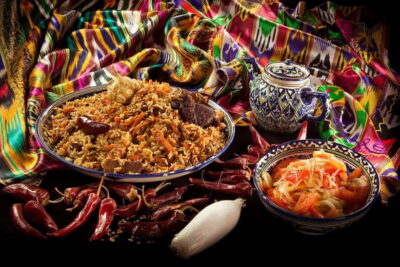
Samarkand: Village Tour with Plov Cooking Class & Home Visit
Read our review →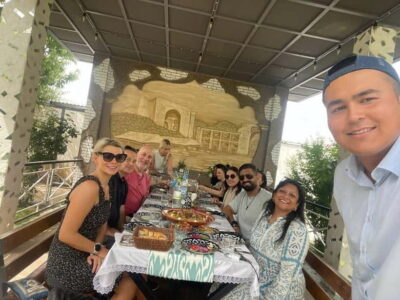
Samarkand: Uzbek Cooking Class in a Village Home
Read our review →
Cooking class in Samarkand with local life experience
Read our review →
Private Samarkand Cooking Class with Market Tour & Transfers
Read our review →
Cooking Class in the Village with Local Family in Samarkand
Read our review →
Samarkand Local Family Cooking Class and Siyob Bazaar Tour
Read our review →Browse the lists this tour appears in