
Reviewed · ARAL SEA & YURT CAMPS
Aral Sea – Extended trip (3 days)
The desert tells a difficult story. This three-day private trip from Khiva reaches the Aral Sea, the ship cemetery at Muynak, Nukus’s remarkable Savitsky Museum, remote Ustyurt sites, and a long chain of ancient fortresses. I like the combination of environmental history and archaeology, and I also like the chance to sleep in a yurt camp under the desert sky.
The main catch is the distance. More than 1,200 kilometers are covered in three days, with a 6:00 a.m. start and long stretches in the car. You should also budget for accommodation, meals, and several entrance fees, since the advertised price of $899 covers the private transport and service but not every cost on the road.
In This Review
- Key points to know before you book
- Is three days enough for the Aral Sea?
- Chilpik qala and the road to Nukus
- Nukus and the Savitsky Museum
- Muynak, the ships, and a vanishing sea
- The Ustyurt Plateau, Sudoche Lake, and remote villages
- Mizdakhan Necropolis and the desert night
- Ayazkala and the fortress belt
- What the $899 price really covers
- Comfort, vehicles, and the pace of the road
- Who should book this trip?
- Should you book the Aral Sea extended trip?
- FAQ
- Where does the tour start?
- Where can the tour start or finish?
- How many people can join the private tour?
- Is transportation included?
- Are meals and accommodation included?
- Are museum and fortress tickets included?
- What happens if bad weather cancels the tour?
Key points to know before you book
- More than 1,200 kilometers in three days: This is a serious road trip, not a relaxed sightseeing circuit.
- Two vehicles are used: A sedan handles regular roads, while a 4×4 is used for rough desert conditions.
- The Aral Sea visit is only part of the story: Muynak, the ship cemetery, the museum, and Ustyurt sites explain how the region changed.
- Nukus adds a major cultural stop: The Savitsky Museum is one of the most important art museums in Central Asia.
- Yurt stays add real atmosphere: Accommodation at the Aral Sea and Ayazkala camps costs extra, with dinner included in the stated package.
- The private format gives you flexibility: The tour is for your group only and can start or finish in Khiva, Urgench, or Nukus.
Is three days enough for the Aral Sea?
Three days is enough to see a great deal, but not enough to make this feel leisurely. The route links western Uzbekistan’s biggest draws in one demanding loop: Chilpik qala, Nukus, Muynak, the Aral Sea shore, the Ustyurt Plateau, desert lakes, necropolises, and the fortress belt around Ellikqala.
I would think of this as a road expedition with sightseeing stops, rather than a conventional tour. The driving time is part of the experience, but it can also wear you down. You will spend long periods looking out at open desert, passing remote settlements, and moving between sites that are scattered across a huge area.
The private setup helps. You are not tied to the pace of a large bus group, and the company says the drivers are experienced with desert conditions. The use of both a sedan and a 4×4 is sensible, since the route includes ordinary roads as well as rougher tracks.
A moderate level of fitness is required. The trip is not described as a strenuous hiking program, but fortresses, ruins, and viewpoints can involve uneven ground, heat, wind, and exposed paths. The minimum age is 15.
More Aral Sea & Yurt Camps in Khiva
- Aral Sea Adventures (2 day)
★ 5.0 · 30 reviews - From Khiva To Aral Sea 2-Days One Night In Yurt Stay
★ 4.6 · 20 reviews - Daytrip From Khiva to Aral Sea Cemetery Of Ships . All In One
★ 4.5 · 18 reviews
Chilpik qala and the road to Nukus
Your day begins at 6:00 a.m. at the west gate of Itchan Kala in Khiva. That early departure is practical, because the day includes several major stops and the road toward Nukus is long.
Chilpik qala, also written as Shilpiq or Chilpak Kala, is an ancient Zoroastrian dakhma. The round, roofless tower rises about 15 meters and measures roughly 65 meters across. Its age is estimated at more than 2,200 years.
You get about 30 minutes here, which is enough to take in the structure and its setting but not enough for a detailed archaeological visit. I like this as an opening stop because it gives the route a strong sense of age before the modern story of the Aral Sea takes over.
Admission is not included. The information provided for the tour does not give a separate Chilpik ticket price, so ask for the current fee before departure.
Nukus and the Savitsky Museum
The State Museum of Art named after I.V. Savitsky is the cultural high point of the first day. Located in Nukus, it holds one of the largest collections of Russian avant-garde art outside Russia, along with art from Central Asia and the Karakalpak region.
You have about an hour inside. That is useful for a first visit, though anyone seriously interested in art may wish for more time. The museum is not simply a break from the desert route. It helps explain why Nukus matters as a cultural center, and it gives the trip a welcome change of pace after the long drive.
The entrance ticket costs $7 per person and is not included. That is a small addition compared with the total tour price, but you should carry enough cash for museum and fortress fees.
If Olimjon is guiding your visit, you may get more than transport and basic sightseeing. One account describes him as a warm, highly educated historian. That personal knowledge could make the museum and fortress stops much easier to understand, so it is worth confirming who will accompany your group.
Muynak, the ships, and a vanishing sea
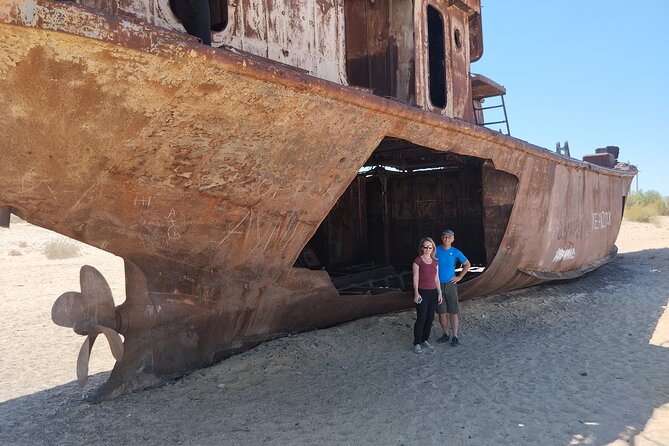
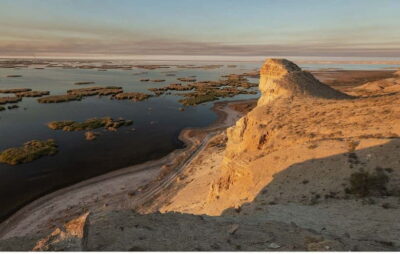
The route then reaches the Aral Sea shore and Muynak, once a port town on the water’s edge. The shore visit is scheduled for about an hour. You can look over the altered environment from hills and rocky ground that were once beneath the sea, and swimming is listed as a possible activity.
Conditions here are highly dependent on weather and the exact water access on the day. The tour requires good weather, and the shore should be treated as an observation stop first, not a guaranteed beach outing.
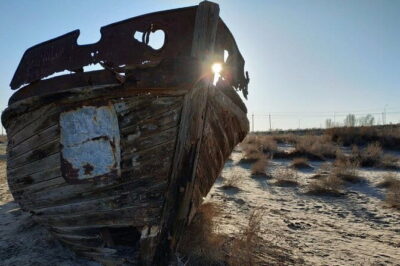
At the Muynak ship cemetery, rusting vessels sit far from the water. The scene is stark because the ships make the retreat of the Aral Sea easy to grasp. Statistics can feel distant. A stranded boat in the desert does not.
The Muynak Regional Studies Museum, also called the Ecological Museum of Muynak, adds local context. You get about 30 minutes, with free admission listed. It is modest in size, but the subject is important: fishing, Soviet water management, the loss of the sea, and the effect on communities in Karakalpakstan.
I would not rush these three stops. The shore, ships, and museum work best together. The shore shows the physical change, the cemetery gives it a powerful visual symbol, and the museum supplies the human story.
Same stretch of the Silk Road, a different sort of day:
- Khiva: Historical City Highlights Guided Walking Tour
★ 4.8 · 156 reviews - Transfer: Bukhara – Khiva via Ancient Fortresses
★ 4.5 · 101 reviews - Daytrip From Khiva To Ancient Fortresses
★ 4.6 · 60 reviews - Khiva Historical City Highlights Guided Walking Tour
★ 5.0 · 30 reviews
The Ustyurt Plateau, Sudoche Lake, and remote villages
The second day shifts toward the Ustyurt Plateau, one of the most remote parts of the route. Sudoche Lake is a natural lake near the Aral Sea, with plant and bird life. The scheduled visit lasts about an hour.
The itinerary also includes the remote areas around Urga and Qibla Ustyurt. These places are part of what makes the trip different from a standard Khiva excursion. You are not only visiting famous monuments. You are seeing how isolated communities and old routes fit into a much larger desert region.
Qibla Ustyurt is listed with a one-hour stop. Traditional 4×4 routes in this area can include Kurgancha qala, a fortress associated with the 13th century, as well as other Ustyurt attractions. The exact order may depend on road conditions and timing, so you should expect some flexibility.
Barsa-Kelmes is described as a salt marsh covering about 1,000 square kilometers. Salt is harvested there today. Its name is commonly translated as a place of no return, a fitting label for a location made remote by distance and harsh terrain.
The Barsa-Kelmes stop is only about 20 minutes. That sounds brief, but the value is in reaching the area rather than spending hours at a single monument. You should bring patience and accept that the road itself is part of the day.
Mizdakhan Necropolis and the desert night
Mizdakhan Necropolis is near the remains of Gyaur-Kala fortress and is one of Karakalpakstan’s oldest pilgrimage sites. The stop lasts about 30 minutes, so I would focus on the atmosphere, the surviving forms, and the broad historical setting rather than trying to understand every detail on your own.
This is where a strong guide matters. The remains cover a long span of time, and the site is easier to appreciate when someone explains how the necropolis, fortress, and pilgrimage traditions connect.
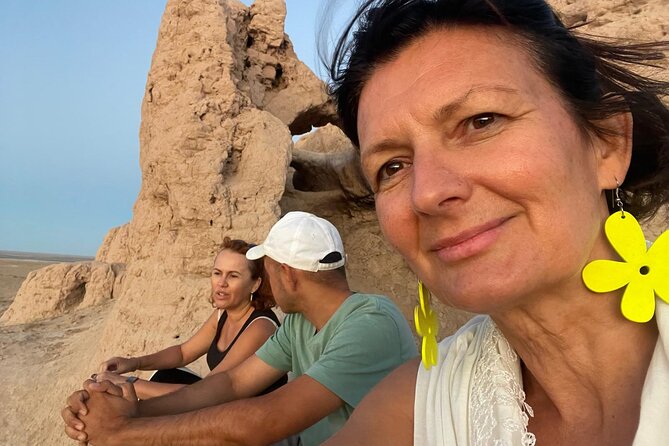
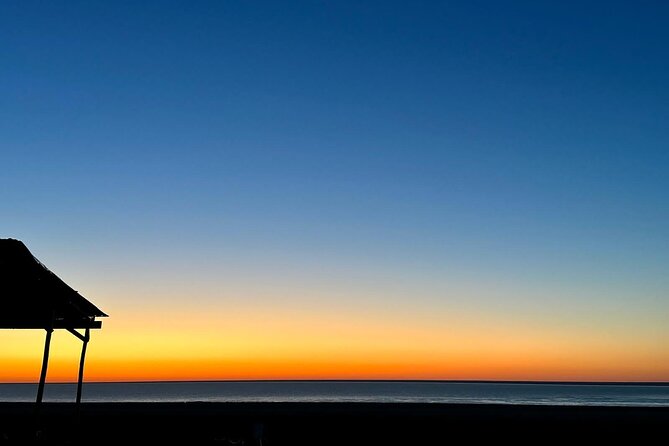
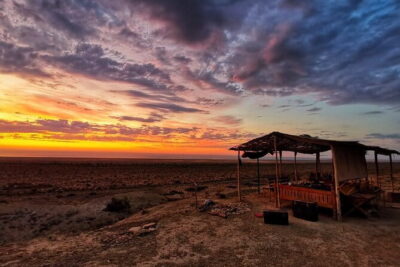
Ayazkala is both an archaeological stop and an overnight base. The yurt camp costs $50, with dinner included in the stated accommodation package. Sleeping in a yurt gives the trip a welcome human touch after hours of driving. The practical details are basic, but the setting is the point.
The supplied information also mentions desert food and watching the stars at night in the Kyzylkum Desert. Those details are not luxury features. They are simple rewards for choosing a route that goes far beyond the main cities.
An Aral Sea yurt camp is also listed at $40, and both yurt stays together are given as $90 per person with dinner. Confirm exactly where you will sleep each night, since the schedule includes an Aral Sea camp and an Ayazkala camp but does not spell out every overnight arrangement in equal detail.
Ayazkala and the fortress belt
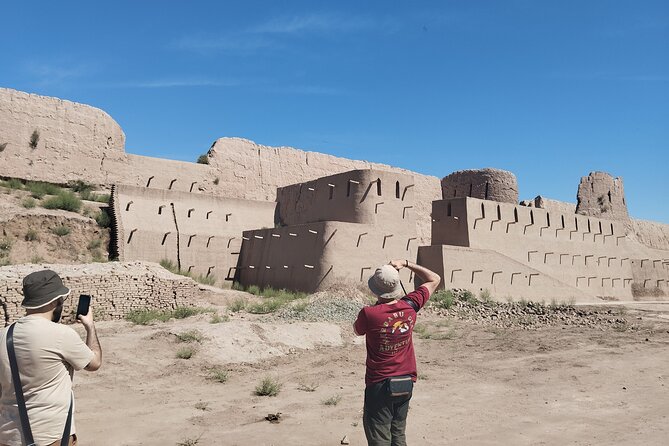
Ayazkala is one of the major archaeological sights in the region. The site includes hilltop fortifications dating from the 4th century BCE to the 7th century CE, overlooking the Kyzylkum Desert.
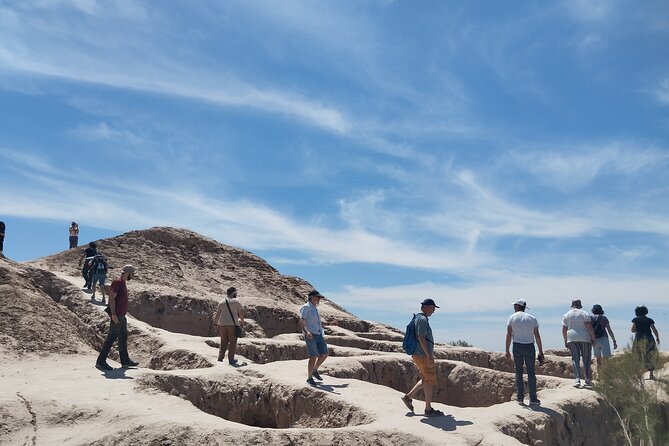
You get about an hour here on the third day. That is a better amount of time than the short visits planned at some of the smaller ruins. Bring shoes with a firm grip and expect exposed ground. The tour asks for moderate physical fitness, and the hilltop setting explains why.
Toprak Kala dates to the Kushan period, around the 2nd and 3rd centuries CE. It served as a royal residence for the rulers of Khorezm and once had a ceremonial role. The scheduled visit is 30 minutes, with admission not included.
Guldursun qala is a fortified town with outer walls and towers dating to the 12th century. Archaeologists found pottery, bronze objects, and coins inside the site. You get about 20 minutes, so this is a quick look rather than a full exploration.
Kyzyl Kala has layers from the Late Antique period, roughly the 1st to 4th centuries CE, and was later rebuilt in the 12th and 13th centuries. Its admission fee is not included. The stop is also listed at 20 minutes.
Koi Krylgan Kala adds another unusual ruin to the route. Its circular plan and former ceremonial purpose make it different from the more conventional walled fortresses. The stop lasts about 20 minutes, with free admission listed.
Angka Kala is a settlement with ancient and medieval phases, dated from the 1st to 3rd centuries and again from the 10th to 12th centuries. Its nearly square fortress plan is described as well preserved. You get another 20-minute visit.
The final fortress stops include Duman Kala and the route back toward Itchan Kala. Duman Kala has three connected sections: a western enclosure, a smaller citadel, and a northern enclosure. The short visit lets you see the basic layout, but you should not expect a long guided archaeological session at every ruin.
This collection of fortresses is the reason the trip deserves three days. One ruin alone might feel remote and hard to place. Seen as a chain, they reveal how settlements, royal centers, defenses, and desert routes developed across ancient Khorezm.
What the $899 price really covers
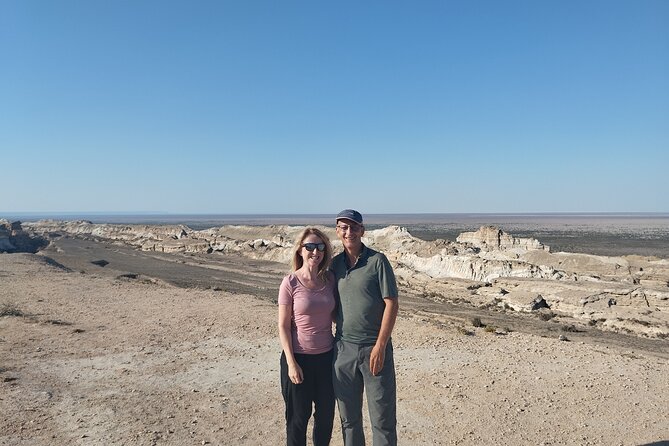
The price is $899 per group of up to three people. For a private three-day route using air-conditioned transport, hotel pickup and drop-off, and two vehicles suited to different road conditions, the value can be good for a small group.
The price becomes more attractive when three people share it. Split three ways, the transport and private service cost roughly $300 per person before accommodation, food, and entrance fees. For two people, the individual cost is much higher.
Included features are:
- Private transportation
- An air-conditioned vehicle
- Pickup and drop-off
- Audio guide materials
You pay extra for:
- The Savitsky Museum, $7 per person
- The Muynak Aral Sea Museum, $3 per person
- Fortress entrances, generally about $2 each
- Ayazkala yurt accommodation, $50
- Aral Sea yurt accommodation, $40
- Dinner connected with both yurt stays, listed as $90 per person
- Lunches
The cost is not an all-inclusive package. I would ask for a full estimate before booking, especially if you want both yurt nights and plan to visit every paid fortress.
Comfort, vehicles, and the pace of the road
The air-conditioned vehicles are important. Desert heat, dust, and long driving hours can make a basic vehicle feel very tiring. The use of a sedan and a 4×4 suggests that the company plans around changing road surfaces rather than forcing one vehicle to handle everything.
The drivers are described as smooth and polite, which matters on a trip with so much time behind the wheel. Still, no driver can remove the basic fact that 1,200 kilometers in three days is a lot. If you dislike long road sections, this is not the right way to see the Aral Sea.
Lunch is not included, and the route reaches remote places. Ask how meals will be handled each day and carry water and simple snacks. The supplied details do not promise restaurants or a fixed lunch plan, so this is one area where advance planning matters.
The tour can start or finish in Khiva, Urgench, or Nukus by arrangement. That flexibility may help you connect the trip with flights, trains, or a wider Uzbekistan itinerary, though the stated meeting point is the west gate of Itchan Kala in Khiva and the listed end point returns there.
Who should book this trip?
I would choose this tour if you want to see the Aral Sea as part of a wider regional story. It suits people who care about archaeology, Soviet-era environmental change, remote roads, local traditions, desert food, and simple overnight stays.
It is also a good match for a small group of two or three friends who want a private vehicle and a flexible pace. The strongest elements are the combination of Muynak and Nukus with the Ustyurt and fortress sites. You get culture, environmental history, and ancient ruins in one route.
I would hesitate if you have only a passing interest in the Aral Sea, need a slow holiday, or find long drives difficult. The short visits at several fortresses may frustrate anyone who wants time for detailed photography or careful exploration.
The overall customer rating is 5 from five recorded ratings, with especially strong praise for the professional service, friendly staff, polite drivers, yurt stay, desert atmosphere, and night sky. One account gives special credit to Olimjon for his warmth and historical background. Those are meaningful strengths, but the demanding schedule remains the main consideration.
Should you book the Aral Sea extended trip?
Book it if you want the broadest possible western Uzbekistan experience in three days. You will see the famous ship cemetery, but also the places that give the region its depth: Chilpik qala, the Savitsky Museum, Sudoche Lake, Mizdakhan, Ustyurt, Barsa-Kelmes, Ayazkala, and a long series of Khorezm fortresses.
Before paying, confirm the exact overnight plan, the guide’s name, the vehicle arrangement, the current entrance fees, and the total cost of both yurt stays and meals. Cancel at least three full days before departure for a full refund. If poor weather cancels the trip, you are offered another date or a full refund.
For the right person, this is not a quick photo stop at a famous wreck. It is a demanding, memorable journey through one of Central Asia’s most unusual regions.
FAQ
Where does the tour start?
The listed meeting point is the west gate of Itchan Kala in Khiva, at 6:00 a.m.
Where can the tour start or finish?
The trip can start or finish in Khiva, Urgench, or Nukus, according to the visitor’s preference and arrangement with the provider.
How many people can join the private tour?
The price covers one private group of up to three people.
Is transportation included?
Yes. Hotel pickup and drop-off, private transportation, an air-conditioned vehicle, and audio guide materials are included.
Are meals and accommodation included?
No. Lunch is not included. Accommodation at the Aral Sea yurt camp costs $40, and Ayazkala yurt accommodation costs $50. Dinner for both yurt stays is listed as $90 per person.
Are museum and fortress tickets included?
No. The Savitsky Museum costs $7 per person, the Muynak museum costs $3 per person, and fortress entrance fees are generally about $2 each.
What happens if bad weather cancels the tour?
If poor weather causes cancellation, you are offered a different date or a full refund. For other cancellations, you must cancel at least three full days before the start time to receive a full refund.
Freshly added in Khiva
- Traditional Khiva Cooking Class with Market Visit & Lunch★ 5.0 · 4 reviews
- Day Trip Top 3 Fortresses departure from Khiva Self-Guided Tour★ 5.0 · 2 reviews
- Transfer From Khiva To Bukhara★ 5.0 · 2 reviews
- Master Class – Uzbek Bread (Khiva)★ 3.5 · 4 reviews
- A Night In The Kyzylkum Desert [2] From Khiva★ 4.5 · 3 reviews
- Old Khiva Stories with Your Local Guide★ 5.0 · 5 reviews
- Daytrip From Khiva To Ancient Fortresses★ 5.0 · 2 reviews
- Khiva City Tour★ 4.0 · 2 reviews
Aral Sea & Yurt Camps, compared.
Daytrip from Khiva to Aral Sea Cemetery of Ships. All in one
Read our review →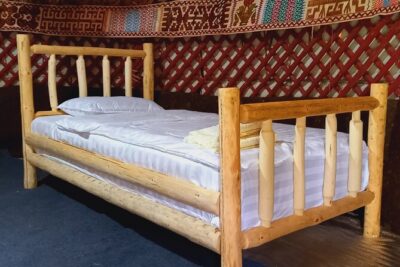
Yurt stay and Hiking in the Nurata Mountains tour – 2 days
Read our review →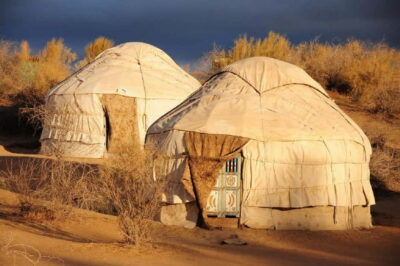
From Khiva To Aral Sea 2-Days One Night In Yurt Stay
Read our review →Daytrip From Khiva to Aral Sea Cemetery Of Ships . All In One
Read our review →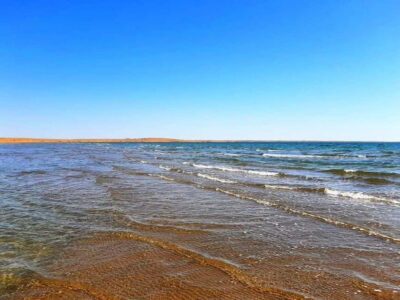
Desert Adventure from Samarkand: Yurt Camp & Aydarkul Escape
Read our review →
Browse the lists this tour appears in