
Reviewed · ARAL SEA & YURT CAMPS
From Khiva To Aral Sea 2-Days One Night In Yurt Stay
The desert tells its story in rust. This private trip combines Muynak’s ship cemetery with a night beside the Aral Sea, and I like the way it adds ancient forts, sacred sites, and a yurt stay instead of treating Muynak as a quick photo stop. I also like the personal service, especially when the English-speaking guide is Islom, who has been praised for clear explanations, good timing, and helpful communication.
The main drawback is the distance. From Khiva, you spend about six hours reaching Muynak, then another three hours crossing rough desert roads to the sea. The journey is worthwhile for the right person, but it is not a gentle sightseeing break, and the yurt fee of $45 per person is added to the tour price.
In This Review
- Key points to know before booking
- Why this Aral Sea trip is worth your time
- Leaving Khiva early for Muynak
- Muynak’s Cemetery of Ships
- The Aral Sea Museum and Muynak’s story
- The 150-kilometer 4×4 route into the desert
- Ustyurt Plateau and its canyons
- Kurgancha-Kala and the old caravan route
- A night at the Aral Sea yurt camp
- Sunrise and the return to Muynak
- Mizdakhan Necropolis and its sacred monuments
- Giaur-Kala and the Zoroastrian past
- What the $688 price really includes
- The guides, vehicles, and language question
- Who should book this experience?
- Should you book the Khiva to Aral Sea tour?
- FAQ
- How long does the Khiva to Aral Sea tour take?
- How far is Muynak from Khiva?
- Is the yurt stay included in the tour price?
- Is a 4×4 vehicle used for the entire tour?
- What languages are available?
- Where can I be dropped off at the end?
Key points to know before booking
- The route covers about 380 kilometers from Khiva to Muynak, with a journey of roughly six hours and a one-hour lunch stop.
- The Aral Sea section uses a 4×4 Toyota Prado or Land Cruiser, since the 150-kilometer route from Muynak to the yurt camp includes off-road desert driving.
- The ship cemetery is powerful but compact, with 11 remaining boats and vessels from the 1980s.
- The overnight yurt stay adds real value, giving you dinner, breakfast, and a chance to see a dark desert sky, but it costs an extra $45 per person.
- The tour includes more than the Aral Sea, with Kurgancha-Kala, Mizdakhan necropolis, Giaur-Kala, Ustyurt canyons, and a regional museum.
- Starting from Nukus can be more comfortable than starting from Khiva, since the Khiva transfer makes an already long trip longer.
Why this Aral Sea trip is worth your time
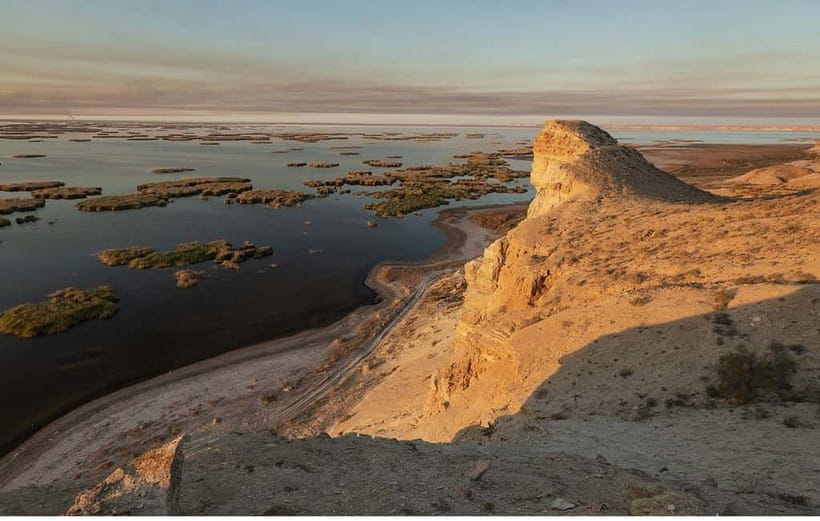
I like this experience because it gives the Aral Sea crisis a human and historical setting. You do not simply drive to a remote shoreline, take a picture, and turn around. You first see Muynak, once a port city, then visit a museum, cross the dry seabed and desert, and spend the night near the water that remains.
The route also links several very different chapters of Karakalpakstan. You see Soviet-era environmental damage at the ship cemetery, Silk Road-era fortifications at Kurgancha-Kala, ancient religious sites at Mizdakhan, and dramatic cliffs on the Ustyurt Plateau. That range makes the trip feel like a regional journey rather than a single attraction.
The rating of 4.6 from 20 bookings reflects the strongest parts of the experience: reliable drivers, punctual pickup, comfortable vehicles, good food at the yurt camp, and impressive scenery. The most consistent caution is also clear: this is a long trip with rough roads, especially if you begin in Khiva.
More Aral Sea & Yurt Camps in Khiva
- Aral Sea Adventures (2 day)
★ 5.0 · 30 reviews - Daytrip From Khiva to Aral Sea Cemetery Of Ships . All In One
★ 4.5 · 18 reviews - Private Daytrip to Muynak and Nukus
★ 5.0 · 10 reviews
Leaving Khiva early for Muynak
Your driver collects you from a hotel or train station in Khiva or Urgench. The pickup is flexible within the stated service area, and you are asked to wait at your address 10 minutes before the arranged time. An early start matters because the route to Muynak takes about six hours.
The distance is approximately 380 kilometers. Some sections are bumpy, so this is a good time to wear comfortable clothes, keep water nearby, and avoid planning a demanding evening after the tour. A one-hour lunch break breaks up the drive, but the first day remains road-heavy.
I see the long transfer as part of the price of reaching this remote corner of Uzbekistan, not as wasted time. Still, you should be honest with yourself. If long road journeys leave you worn out, starting from Nukus may be the better choice. One booking party specifically suggested Nukus as a more comfortable starting point, and the logic is sound.
The tour is private for a group of up to three people. That gives you more control than a large coach trip, and you can usually ask for pauses along the way. Several bookings praised the punctuality of the drivers and the way the organizers handled timing, including a difficult connection to catch a train from Urgench.
Muynak’s Cemetery of Ships
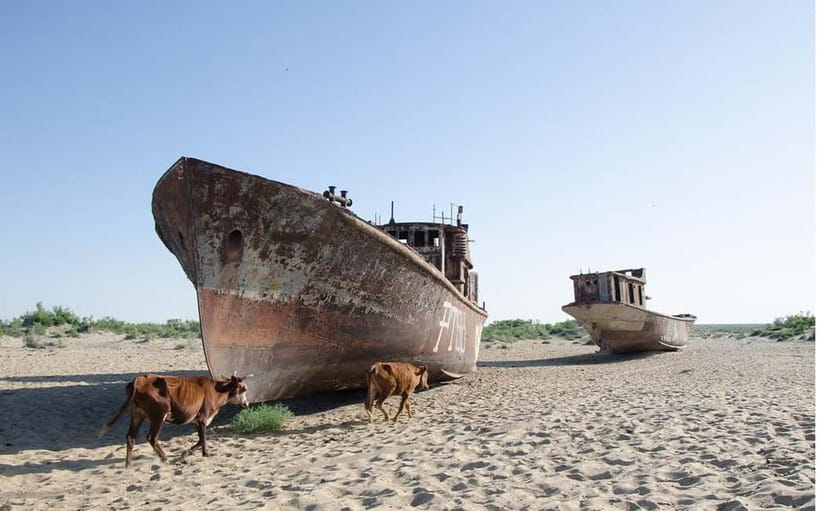
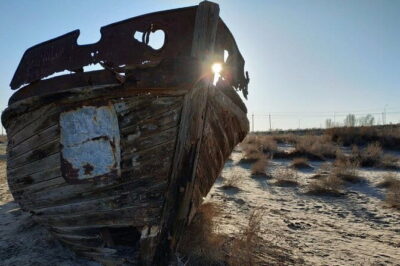
Muynak’s ship cemetery is the emotional center of the first day. Eleven abandoned ships and boats remain from the 1980s, resting far from the water that once supported the town’s fishing life.
The sight is small, but it does not need to be large. Rusting hulls against the dry ground make the Aral Sea disaster easy to understand. You can walk around the vessels, look across the empty space, and think about how sharply the shoreline has changed.
I would not treat this as a quick stop for a dramatic photograph. The place is more meaningful when you connect it with the local museum and the wider route. Your driver may help with basic context, but a professional licensed guide is not included, so the depth of explanation depends on the guide assigned to your group and on whether you arrange a separate guide.
The stop also has a practical benefit. After the long drive from Khiva, it gives you a chance to get out, move around, and begin making sense of why the Aral Sea remains such an important subject in this region.
The Aral Sea Museum and Muynak’s story
At the Regional History and Aral Sea Museum, you learn more about Muynak and the environmental effects of the shrinking sea. A short documentary about Muynak and the Aral Sea crisis is shown, adding background that the ship cemetery alone cannot provide.
I consider the museum especially useful if you have limited knowledge of the disaster. The boats show the result, while the museum helps explain the setting and consequences. The entry ticket costs $3 and is not included in the tour price, so keep a little cash available.
The museum is also a reminder that this trip is not only about remote scenery. It is about a community and a major environmental catastrophe. You may find the visit sobering, but that seriousness gives the journey weight.
Same stretch of the Silk Road, a different sort of day:
- Khiva: Historical City Highlights Guided Walking Tour
★ 4.8 · 156 reviews - Transfer: Bukhara – Khiva via Ancient Fortresses
★ 4.5 · 101 reviews - Daytrip From Khiva To Ancient Fortresses
★ 4.6 · 60 reviews - Khiva Historical City Highlights Guided Walking Tour
★ 5.0 · 30 reviews
The 150-kilometer 4×4 route into the desert
After Muynak, the transport changes for the most demanding section. A local driver takes you in a 4×4 Toyota Prado or Land Cruiser for approximately 150 kilometers to the Aral Sea, a trip of around three hours.
This is proper off-road travel. Roads can be rough, and one booking party noted that a local driver took over between Muynak and the sea and did not speak English. That meant a quieter ride, but all the planned stops were completed. You should clarify who will lead this section if spoken explanations are important to you.
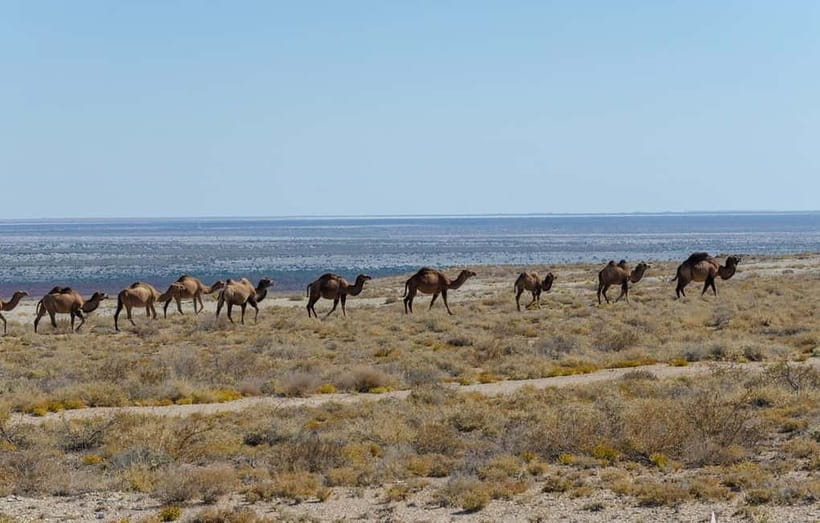
The 4×4 is not a luxury extra. It is the practical vehicle for this terrain. The empty desert, rough tracks, and wide open views are part of what makes the trip memorable, but they also explain why the route cannot be covered in the same way as an ordinary city transfer.
If you visit in late autumn or winter, daylight becomes a serious planning factor. In late November, sunset was around 5:30 pm, and one group arrived at the yurt camp after dark. That was excellent for the stars, but it meant the first clear view of the sea came at sunrise.
Ustyurt Plateau and its canyons
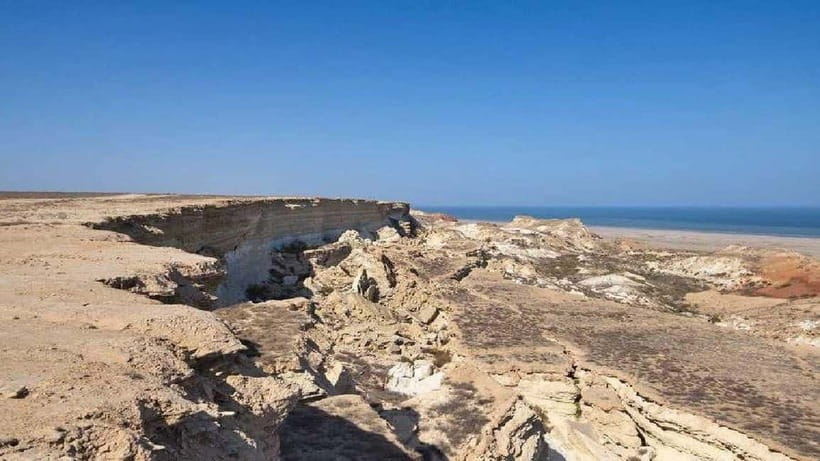
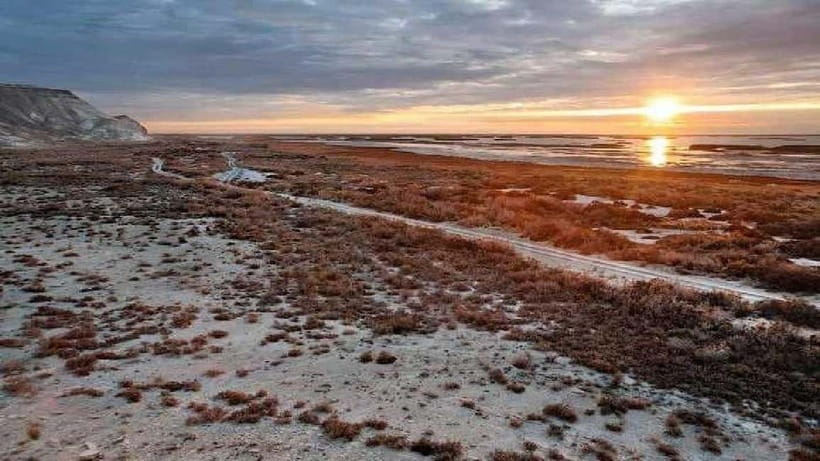
The Ustyurt Plateau gives the off-road section its visual drama. The route includes stops at the plateau and its canyons, where the dry terrain opens into striking cliffs and broad desert views.
This is a place for photographs, but I think the better reward is the sense of distance. You are far from the settled cities and moving through a region shaped by wind, stone, and water that has largely disappeared. The plateau helps you understand the scale of the Aral Sea basin better than a museum display can.
The exact order and length of stops can depend on road conditions, daylight, and the group’s timing. Bring a camera, sunscreen, a hat, and sturdy shoes. The provided advice to prepare for changing weather is important, since desert temperatures can shift sharply after sunset.
Kurgancha-Kala and the old caravan route
Kurgancha-Kala was built in the 13th century as a refuge and outpost for Silk Road caravans. It lies about 100 kilometers northwest of Muynak, close to the yurt camp.
I like this stop because it prevents the trip from becoming only a modern disaster story. The fortress recalls a time when caravans crossed this region for trade and protection. Its setting near the yurt camp also makes the transition from archaeological site to overnight stay feel natural.
Do not expect a fully restored monument with extensive visitor facilities. The appeal is the position, age, and connection to the old routes. Your guide or driver can point out the remains, while the open desert lets you appreciate how exposed these settlements were.
For anyone interested in Uzbekistan’s ancient sites, Kurgancha-Kala is a strong reason to choose the two-day route instead of a simple drive to Muynak and back.
A night at the Aral Sea yurt camp
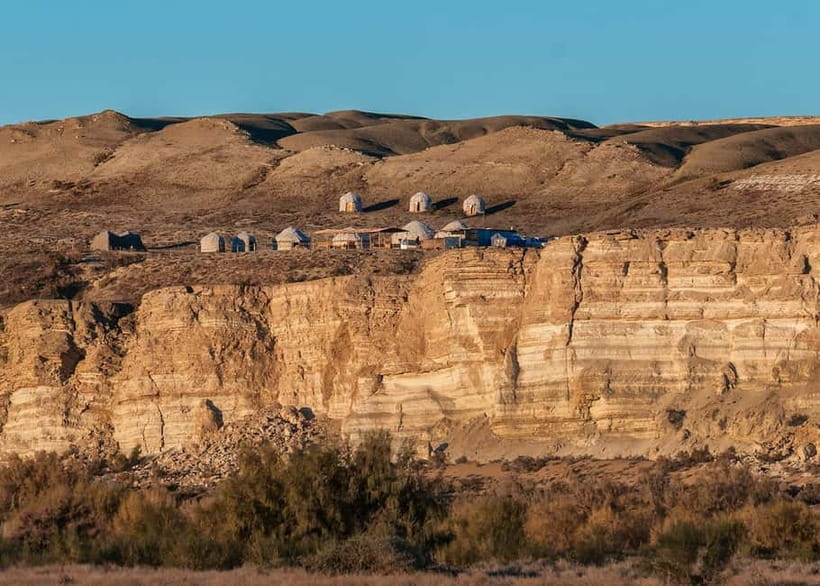
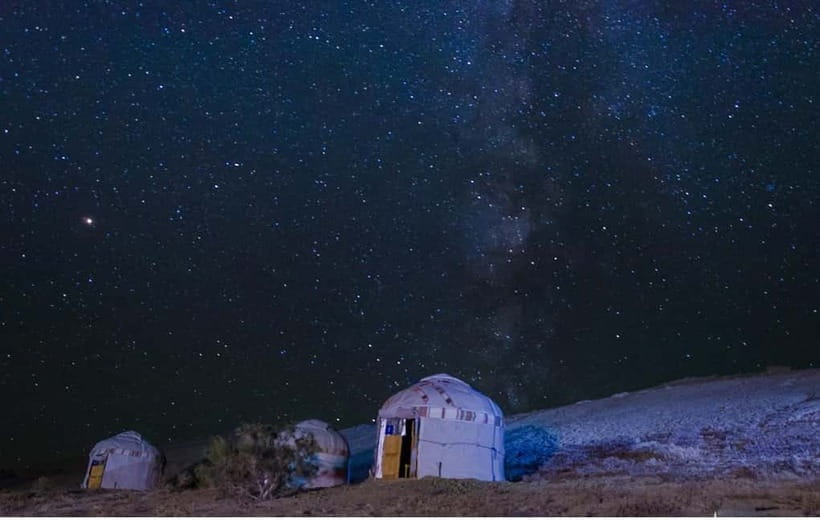
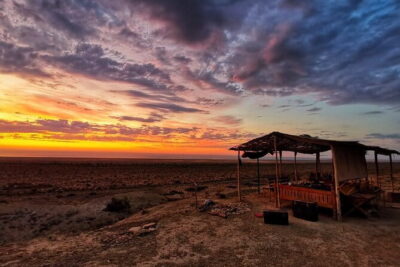
The yurt camp is the part that turns a hard day of driving into a proper experience. You sleep in a traditional Karakalpak yurt, eat dinner there, and have breakfast in the morning. The accommodation booking is arranged, but the yurt itself costs an additional $45 per person, including dinner and breakfast.
The facilities can be better than you might expect from such a remote setting. One booking party described a spacious, clean yurt at the Aral Plaza Complex, with a comfortable bed, air conditioning, towels, a toothbrush, and bathroom products. Those details may vary, but they show that this is not necessarily a bare floor and sleeping bag arrangement.
I especially like the timing of the overnight stop. After the ship cemetery, museum, fortress, and rough desert road, you have time to slow down. At night, the absence of city light gives you a chance to watch the stars and listen to the natural sounds around the camp.
The tradeoff is comfort and predictability. You should dress warmly, even if the daytime feels mild, and bring cash because ATMs may be scarce. The camp is near the Aral Sea, but your view depends on arrival time and season. Arriving after sunset may mean waiting for sunrise to see the water and surrounding terrain clearly.
Food is another strong point. Dinner and breakfast are described as homemade and very good, which matters after a long day in the vehicle. The yurt cost is not insignificant, but including two meals makes the extra charge easier to justify.
Sunrise and the return to Muynak
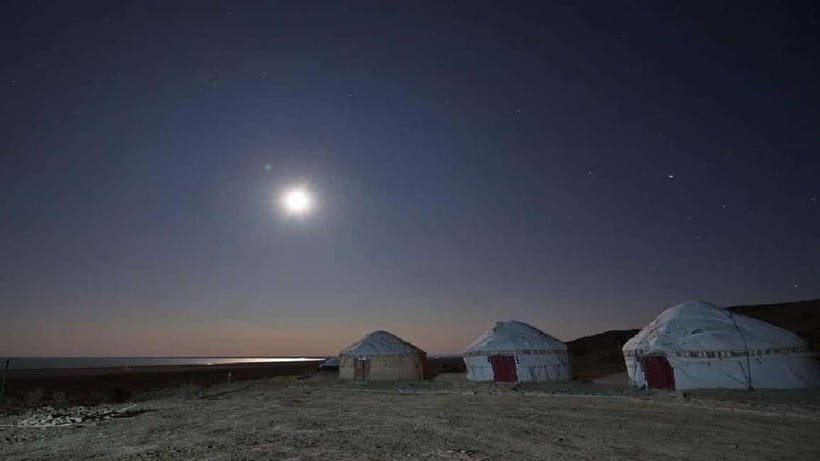
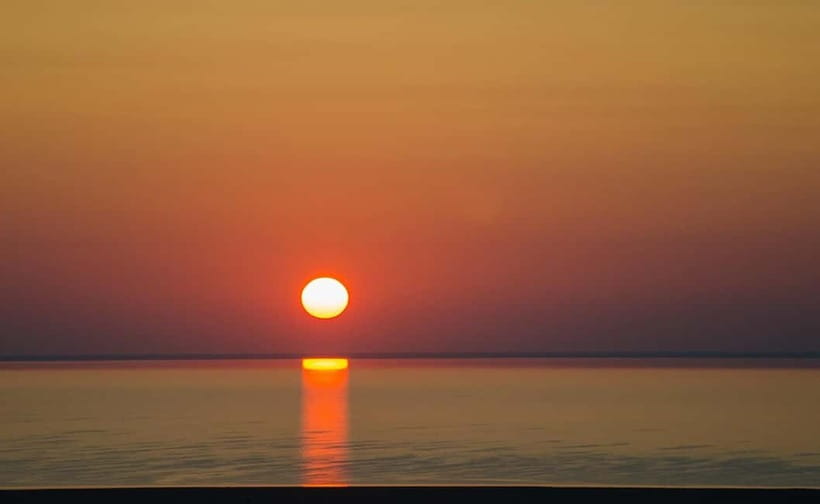
After breakfast, you leave the camp and return to Muynak before continuing to the historic sites. If you arrive at night, sunrise is your best chance to see the sea properly. One group described the sunrise at the Aral Plaza Complex as exceptional, and the timing can give you a calm start before the return drive.
The morning transfer also lets you see the desert in a different light. The same route that felt stark after dark becomes easier to read, with the tracks, cliffs, and open ground visible around you.
The itinerary is listed as two days but the duration is described as 1.5 days. In practical terms, it is an early departure on day one, an overnight stay, and a return with sightseeing on day two. Ask about the expected arrival time at your final destination if you need to catch a train or flight.
Mizdakhan Necropolis and its sacred monuments
The next major stop is Mizdakhan, an ancient sacred complex dating in part to the 4th to 2nd centuries BC and used again from the 13th to 16th centuries. The site includes several mausoleums, including Nazlumkhan Sulu, Khalifa Yerejep, and Shamun Nabi.
This is one of the most culturally important parts of the route. The necropolis gives you a sense of how sacred places can remain meaningful across many centuries and changing societies. I would allow yourself a quiet pace here. It is not just another ruin to photograph before getting back in the car.
The site may be especially rewarding if you enjoy archaeology, religious history, or places that still have a local spiritual importance. A professional licensed guide is not included, so arrange one in advance if you want detailed interpretation in English.
Giaur-Kala and the Zoroastrian past
Giaur-Kala follows as another major historical stop. This fortified city dates to the Zoroastrian era, around the 4th to 3rd centuries BC, and was once an important settlement along the Silk Road.
Together, Giaur-Kala and Mizdakhan add several thousand years of context to the trip. You are not only seeing the aftermath of a modern ecological crisis. You are also passing through an area shaped by early belief systems, fortified settlements, and trade routes.
The stops are best understood as archaeological remains rather than polished attractions. That means fewer formal visitor services, but also a stronger sense of place. Wear shoes that can handle uneven ground and bring sun protection.
What the $688 price really includes
The tour costs $688 per private group of up to three people. That price includes private city transport, the 4×4 desert vehicle, driver assistance, pickup from Khiva or Urgench, and the yurt reservation.
The yurt payment is separate at $45 per person, including dinner and breakfast. The museum ticket is also extra at $3. A professional licensed guide and personal expenses are not included.
For three people, the base price works out to about $229 per person before the yurt and museum fees. For one person, it is expensive, but that is normal for a long private transfer requiring two vehicles and substantial driver time. The value improves when shared by two or three people.
I would compare this with the cost and fatigue of arranging separate transfers, desert transport, accommodation, and sightseeing yourself. The tour’s strongest financial advantage is convenience: you do not need to find a 4×4 in Muynak or organize the remote overnight stay on your own.
The key is to budget honestly. The advertised price is not the final cost because the yurt and museum are separate. Bring cash for these charges and other personal needs.
The guides, vehicles, and language question
Drivers speak English, Russian, and Uzbek, and Islom has received particularly strong praise for fluent English, thoughtful explanations, and dependable communication through WhatsApp. That can make a major difference during a long and complicated route.
You should also know that the person driving the desert section may be a local driver with limited English. The service remains practical, but the amount of commentary may change between Muynak and the sea.
The private format is useful for a small group. You can ask for comfort breaks, discuss timing, and arrange a final drop-off at Khiva, Urgench, Nukus, or Nukus Airport. The vehicle for ordinary city travel and the 4×4 for the desert are sensible choices for the terrain.
Who should book this experience?
I would choose this trip if you want to understand the Aral Sea crisis in person rather than see only a photograph of rusting boats. It suits people who enjoy remote places, long road journeys, archaeology, desert scenery, and unusual overnight stays.
It is also a good choice if you have already visited Khiva’s main monuments and want a very different side of Uzbekistan. The route leaves the familiar Silk Road city behind and takes you into Karakalpakstan, where environmental loss and ancient history sit close together.
I would hesitate if you have limited time, dislike rough roads, or need a relaxed schedule. Pregnant women are specifically advised not to take the activity, and the bumpy transfers make that restriction sensible.
Pack warm clothes, comfortable shoes, a hat, a camera, and sunscreen. Check the weather before leaving, and remember that the desert night can feel cold even after a warm day.
Should you book the Khiva to Aral Sea tour?
I think you should book it if you can spare the time and accept the road conditions. The ship cemetery alone does not justify the long trip for everyone, but the full route does: Muynak, the museum, Ustyurt canyons, Kurgancha-Kala, the yurt camp, Mizdakhan, and Giaur-Kala create a much fuller picture of the region.
For the best balance of comfort and time, consider starting from Nukus instead of Khiva. If Khiva is your only base, the tour remains a worthwhile and memorable choice, especially for a group of two or three who can share the $688 cost.
FAQ
How long does the Khiva to Aral Sea tour take?
The experience is described as a two-day tour with a duration of 1.5 days. It includes an early departure, one night at a yurt camp, and sightseeing on the return route.
How far is Muynak from Khiva?
Muynak is approximately 380 kilometers from Khiva, and the transfer takes about six hours, including a one-hour lunch break.
Is the yurt stay included in the tour price?
The yurt accommodation is booked as part of the arrangements, but payment is separate. The cost is $45 per person, including dinner and breakfast.
Is a 4×4 vehicle used for the entire tour?
No. Private transport is used for city travel, while a Toyota Prado or Land Cruiser 4×4 is used for the approximately 150-kilometer off-road journey from Muynak to the Aral Sea.
What languages are available?
Driver assistance is available in English, Russian, and Uzbek. A professional licensed guide is not included in the price.
Where can I be dropped off at the end?
You can choose a drop-off in Khiva, Urgench, Nukus, or at Nukus Airport.
Freshly added in Khiva
- Traditional Khiva Cooking Class with Market Visit & Lunch★ 5.0 · 4 reviews
- Day Trip Top 3 Fortresses departure from Khiva Self-Guided Tour★ 5.0 · 2 reviews
- Transfer From Khiva To Bukhara★ 5.0 · 2 reviews
- Master Class – Uzbek Bread (Khiva)★ 3.5 · 4 reviews
- A Night In The Kyzylkum Desert [2] From Khiva★ 4.5 · 3 reviews
- Old Khiva Stories with Your Local Guide★ 5.0 · 5 reviews
- Daytrip From Khiva To Ancient Fortresses★ 5.0 · 2 reviews
- Khiva City Tour★ 4.0 · 2 reviews
Aral Sea & Yurt Camps, compared.
Daytrip from Khiva to Aral Sea Cemetery of Ships. All in one
Read our review →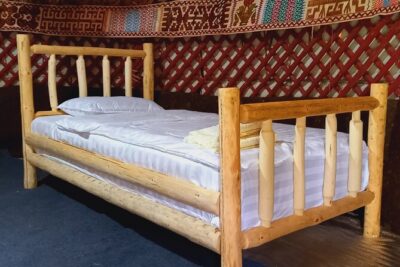
Yurt stay and Hiking in the Nurata Mountains tour – 2 days
Read our review →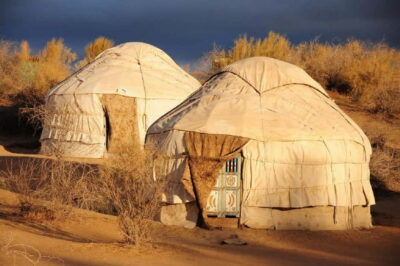
Daytrip From Khiva to Aral Sea Cemetery Of Ships . All In One
Read our review →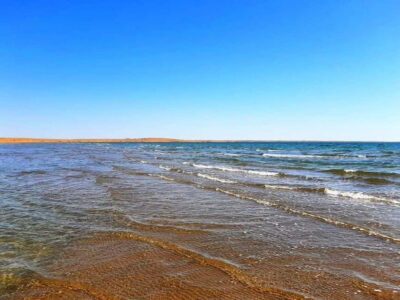
Desert Adventure from Samarkand: Yurt Camp & Aydarkul Escape
Read our review →
Browse the lists this tour appears in