
Reviewed · COOKING CLASSES
Traditional Khiva Cooking Class with Market Visit & Lunch
Come hungry and leave with a story. This private Khiva cooking experience takes you beyond restaurant tables and into a local home, where you shop for ingredients, prepare plov or Shivit Oshi, and eat with Sarvar Bobojonov and his family. I like the market visit because it shows you how locals choose and buy food, not just how a finished dish appears on a menu. I also like the family setting, especially the chance to enjoy green tea, seasonal melons, and homemade pickles alongside the meal.
The main consideration is timing. The class lasts about 2.5 hours, and much of that time is spent cooking and eating at the house. If you want a fast sightseeing stop or a formal restaurant-style lesson, this will feel too relaxed. If you want conversation, home cooking, and a closer look at everyday life in Khorezm, it is a strong choice.
In This Review
- Key Points at a Glance
- Why This Khiva Food Experience Feels Different
- The Market Visit: More Than a Shopping Stop
- Cooking Plov in a Local Home
- Shivit Oshi: Khorezm’s Distinctive Noodle Dish
- Meeting Sarvar and His Family
- Eating the Meal: Tea, Pickles, and Seasonal Fruit
- Price, Group Size, and What You Get
- Who Should Book This Experience?
- Booking Advice for a Smooth Visit
- Should You Book the Khiva Cooking Class?
- FAQ
- How long does the Khiva cooking class last?
- What dishes can you cook?
- Is the cooking class private?
- How many people can join for $150?
- Is hotel pickup included?
- What language does the instructor speak?
- Are ingredients included?
- Is tea included?
- Do you receive the recipes afterward?
- What should you not wear or bring?
- Can you cancel for a refund?
Key Points at a Glance
- Shop at a real local market: Sarvar helps you select fresh ingredients and explains local shopping customs, including price negotiation.
- Cook in a Khivan family home: The class takes place at Sarvar’s house, where you meet his mother and brothers.
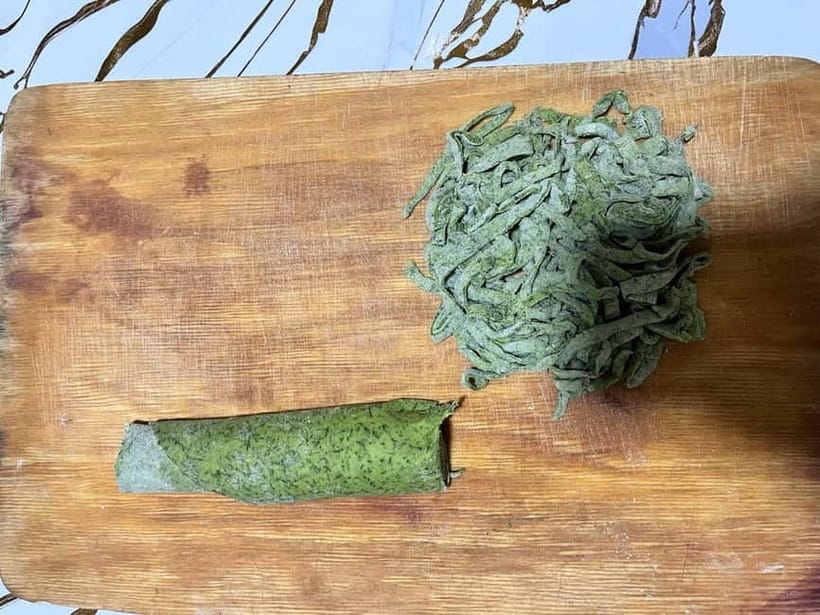
- Choose between two signature dishes: The focus is on plov or Shivit Oshi, a well-known Khorezm noodle dish.
- Expect a family-style meal: Homemade pickles, traditional green tea, and seasonal fruit add to the meal.
- Private pricing is good for small groups: The $150 rate covers up to three people, including transport and ingredients.
- Bring cultural curiosity, not just an appetite: The best part is the talk about food, family life, and Uzbek customs.
Why This Khiva Food Experience Feels Different
Khiva is famous for its old city, tiled madrasas, carved wooden columns, and desert setting. But food tells you just as much about a place as architecture does. A cooking class in a local house gives you a look at how dishes are prepared, served, and shared away from the tourist center.
This experience begins with a hotel pickup in a white sedan. Pickup and drop-off points include Polvon Darvoza, the Stone Gate at the south entrance to Itchan Kala, and Bakcha Darvoza at the west gate. That is useful if your accommodation sits near the old city rather than outside Khiva.
The private group format matters. You are not trying to follow a cooking demonstration from the back of a large room. You can ask questions, take part in the preparation, and talk directly with Sarvar and his family. For a couple or a small family, the $150 group price works out to $50 per person for three people. For one person, it is less of a bargain, but the private home setting and included transport still add value.
More Cooking Classes in Khiva:
- Samarkand: Village Tour with Plov Cooking Class & Home Visit
★ 5.0 · 29 reviews - Tashkent: Cultural Exploration & Pottery Masterclass
★ 5.0 · 24 reviews - Tashkent: Uzbek Culture, Food, Crafts & Pottery Masterclass
★ 5.0 · 24 reviews
The Market Visit: More Than a Shopping Stop
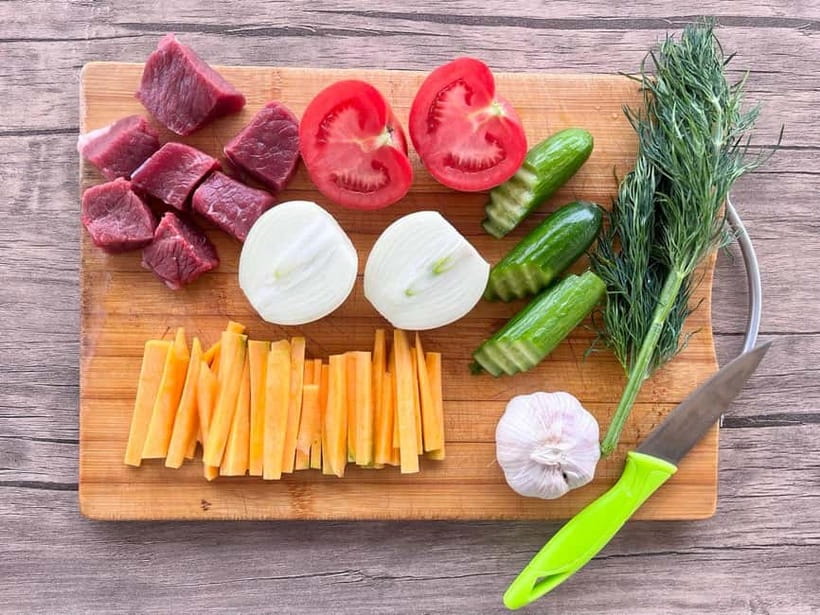
The first real part of the activity is a visit to a local Khiva market. Sarvar guides you through the shopping, points out ingredients, and helps you choose produce for the meal. This is useful because local markets can be hard to read at first. You may know the name of an ingredient, but not how to judge freshness, what quantity to buy, or what price is normal.
You also learn about bargaining. Negotiating prices is part of everyday market shopping in Uzbekistan, but it can feel awkward if you do not know the local rhythm. With Sarvar beside you, you can watch how the exchange works without turning the process into a guessing game.
The market also gives you a better sense of Khorezm food culture. Instead of seeing ingredients already washed, chopped, and measured, you see them in their ordinary setting. That small difference matters. It connects the dish on your plate with the people who grow, sell, select, and cook the food.
One practical point: the market visit is guided, but the experience is not described as a separate market tour with a long sightseeing program. Think of it as a purposeful shopping trip that leads into the cooking class. The value comes from the explanations and personal contact, not from ticking off market landmarks.
Cooking Plov in a Local Home
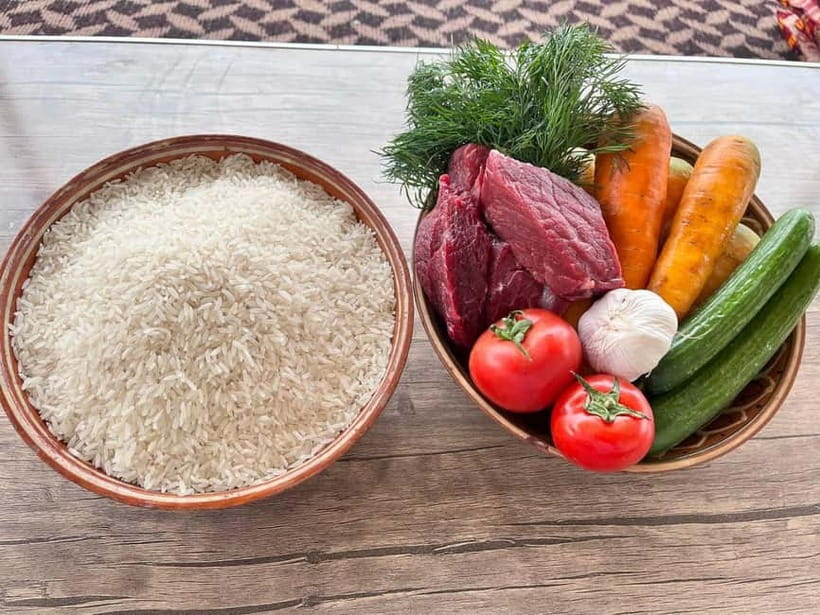
Plov is one of Uzbekistan’s best-known dishes, and this class gives you a chance to prepare it in the place where family cooking makes sense: a home kitchen. The dish is built around rice and other fresh ingredients, but the important lessons are often about timing, heat, seasoning, and patience.
Sarvar’s mother plays an important part in the cooking. She shows how the family prepares plov, while Sarvar explains the process in English. That arrangement gives the class a natural feel. You are not simply copying a recipe from a printed card. You are watching a family method passed through generations.
The cooking is hands-on, though the exact amount of work you do can vary depending on the dish and the pace of the household. You may help with preparation and follow the cooking stages while the family handles parts that require experience. This is worth keeping in mind if you expect to cook every part from start to finish on your own.
The meal itself has earned high praise. One especially useful detail is the homemade pickles, which add a sharp contrast to the rich rice dish. They are the kind of side item that can reveal as much about a family table as the main course. Seasonal melons and watermelons may also appear, particularly in warmer months, and they provide a simple, refreshing finish.
Shivit Oshi: Khorezm’s Distinctive Noodle Dish
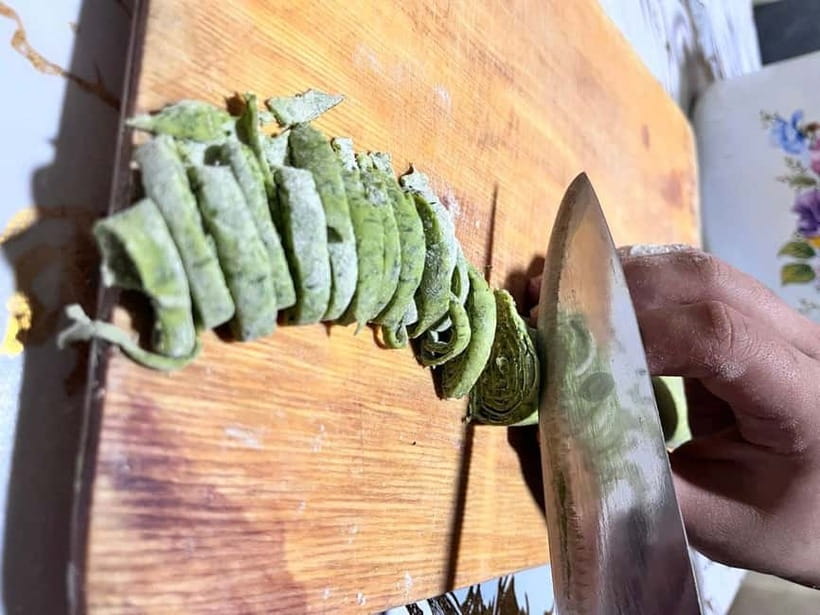
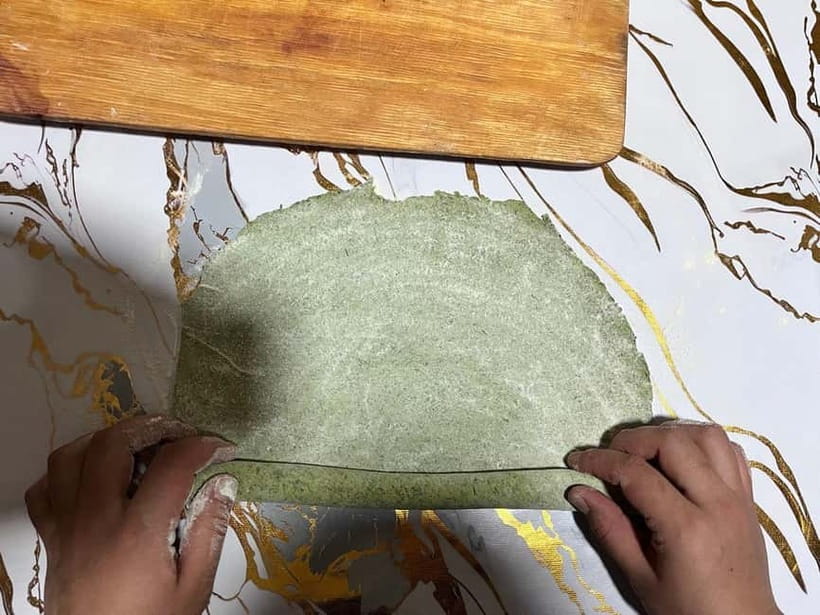
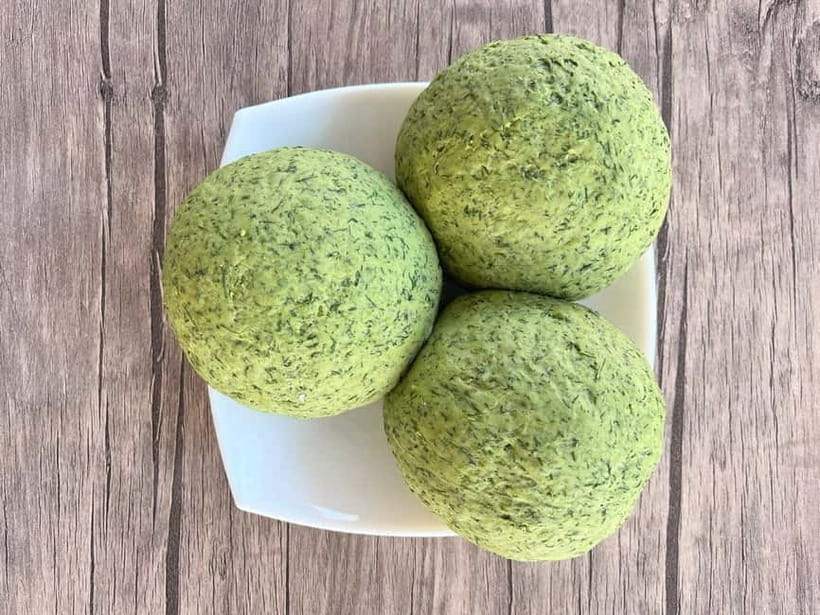
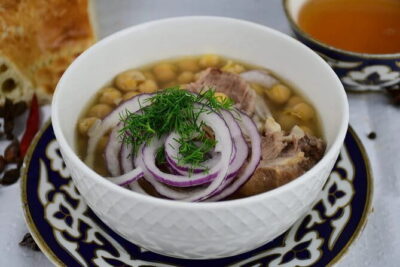
The second possible dish is Shivit Oshi, a Khorezm specialty made with green noodles. It is a good option if you have already eaten plov elsewhere in Uzbekistan or want to try something more closely tied to the Khiva area.
The class description allows for plov or Shivit Oshi rather than promising both in one session. If you have a strong preference, ask Sarvar about the dish when booking or before pickup. That is especially important if you are planning the class around a particular culinary goal.
Shivit Oshi also makes sense for repeat visitors. Several hours of Uzbek sightseeing can bring you past plenty of rice dishes, while the green noodles offer a different taste and texture. You receive recipes at the end, so you can try to recreate the meal at home. The recipes are a useful part of the experience, although the final result will also depend on finding suitable ingredients and matching the family’s cooking method.
More craft workshops in Khiva:
- Master Class – Uzbek Bread (Khiva)
★ 3.5 · 4 reviews - Samarkand: Uzbek Cooking Class in a Village Home
★ 5.0 · 22 reviews - Cooking class in Samarkand with local life experience
★ 5.0 · 19 reviews - Private Samarkand Cooking Class with Market Tour & Transfers
★ 5.0 · 14 reviews
Meeting Sarvar and His Family
Sarvar Bobojonov is the host and English-speaking guide. His role goes beyond transport and translation. He explains market customs, shares facts about Khiva and Uzbekistan along the way, and keeps the conversation moving during the meal.
The family welcome is the heart of the visit. You meet Sarvar’s mother and brothers, and you eat in the family home rather than in a restaurant arranged to look local. That setting changes the mood. The meal becomes a shared visit, with time to talk about food, family, and local culture.
A garden is part of the home setting, and seasonal fruit may be available to taste. The fruit is not a separate farm visit or garden tour, but it adds a pleasant local detail to the meal. In summer, melons and watermelons are a particular treat.
I would choose this experience for the human contact rather than for polished presentation. The house is a real home, so the rhythm may be informal. That is a benefit for many people, but anyone seeking a tightly timed culinary demonstration with professional equipment should adjust expectations.
Eating the Meal: Tea, Pickles, and Seasonal Fruit
Once the food is ready, you sit down with your hosts for a homemade meal. Traditional Uzbek tea is included, and green tea is served with the food and fruit. Tea is not an afterthought in Uzbekistan. It gives the meal time to slow down and makes conversation easier.
The side dishes and dessert are simple but meaningful. Homemade pickles bring salt and acidity to the table, while seasonal fruit shows what is available locally at that time of year. The fruit selection can vary, so you should not book expecting a specific type.
The meal is also where the class becomes a cultural exchange. You can ask about how the food is eaten at home, when certain dishes are prepared, and how family recipes change from one region to another. Sarvar’s English instruction makes those conversations accessible to English-speaking visitors.
There is no mention of alcoholic drinks, and alcohol is not allowed. That fits the family setting and the focus on food, tea, and conversation.
Price, Group Size, and What You Get
The price is $150 per private group of up to three people. This includes hotel pickup and drop-off, the market visit, fresh ingredients, cooking instruction, tea, seasonal fruit, and recipes.
For three people, the price is reasonable because you are paying for a private activity rather than three separate seats in a group class. Transport is included, which saves you the trouble of arranging a taxi to an unfamiliar home. The ingredients are also covered, so you do not have to pay at the market.
For two people, it is still a fair splurge, especially if this is your main food experience in Khiva. For a solo visitor, the cost is harder to justify unless the private format and home visit are priorities. I would compare it with the price of several restaurant meals, but remember that the point here is access to a family setting and guidance through the market.
The 2.5-hour duration is long enough for shopping, cooking, and eating without taking an entire day. It fits well between sightseeing plans in Itchan Kala. Still, allow a little flexibility. A family meal does not always move at restaurant speed, and conversation is part of what you are paying for.
Who Should Book This Experience?
I would recommend it most strongly to:
- Couples and small groups who want a private activity
- Visitors interested in Uzbek food beyond restaurant menus
- Families who enjoy cooking together
- First-time visitors who want help navigating a local market
- Anyone curious about ordinary home life in Khiva
- People who want a slower cultural experience after sightseeing
It may be less suitable if you dislike eating in private homes, need a highly formal lesson, or have strict food restrictions that have not been discussed in advance. The available information does not specify vegetarian, vegan, halal, allergy, or other menu arrangements, so ask before booking if those details matter to you.
The dress rules are also worth noting. Shorts and sleeveless shirts are not allowed, which reflects the home setting and local expectations. Backpacks, baby strollers, baby carriages, smoking, audio recording, alcohol, and drugs are also not allowed. Wear modest, comfortable clothing and keep your belongings light.
Booking Advice for a Smooth Visit
Choose a pickup point that you can reach easily, such as Polvon Darvoza, the Stone Gate, or Bakcha Darvoza. Pickup and drop-off are included, and the same listed gates are available after the class.
Ask in advance whether you will prepare plov or Shivit Oshi. Both are part of the experience, but the class may focus on one rather than cooking both. If you have already eaten several versions of plov, Shivit Oshi could give you a more distinctive Khorezm meal.
Plan your day so you are not rushing to another fixed appointment. The official duration is 2.5 hours, but the most enjoyable part may be the unhurried time at the family table. You should also arrive ready to participate, not just watch. The class is designed around shopping, preparation, questions, and shared eating.
Free cancellation is available up to 24 hours before the activity for a full refund. You can also reserve and pay later, which helps if your Khiva schedule is still changing.
Should You Book the Khiva Cooking Class?
Book it if you want real contact with a local family, a guided market visit, and a meal that feels connected to the place you are visiting. The strongest parts are Sarvar’s friendly English guidance, his mother’s cooking, the private home setting, and the chance to try details such as homemade pickles, green tea, and fresh melon.
I would be especially keen to book for a group of three, when the price is easiest to justify. Pick Shivit Oshi if you want a specialty associated with Khorezm, or choose plov if you want to learn one of Uzbekistan’s essential dishes.
Skip it if you want a quick activity, a restaurant-style cooking school, or a guaranteed menu with detailed dietary choices. For everyone else, this is one of the better ways to turn a visit to Khiva from sightseeing into a shared local experience.
FAQ
How long does the Khiva cooking class last?
The experience lasts 2.5 hours, including the market visit, cooking class, and meal.
What dishes can you cook?
The class features plov or Shivit Oshi. The experience may focus on one dish, so ask Sarvar about your preference in advance.
Is the cooking class private?
Yes. It is offered as a private group experience.
How many people can join for $150?
The $150 price covers a group of up to three people.
Is hotel pickup included?
Yes. Hotel pickup and drop-off are included. Listed pickup points include Polvon Darvoza, the Stone Gate at Itchan Kala’s south gate, and Bakcha Darvoza at the west gate.
What language does the instructor speak?
The instructor speaks English.
Are ingredients included?
Yes. Fresh ingredients for the cooking class are included in the price.
Is tea included?
Yes. Traditional Uzbek tea is included, with green tea served during the meal.
Do you receive the recipes afterward?
Yes. Recipes are provided for you to take home.
What should you not wear or bring?
Shorts and sleeveless shirts are not allowed. Backpacks, baby strollers, baby carriages, smoking, alcohol, drugs, and audio recording are also not allowed.
Can you cancel for a refund?
You can cancel up to 24 hours in advance for a full refund. Reserve now and pay later is also available.
Freshly added in Khiva
- Day Trip Top 3 Fortresses departure from Khiva Self-Guided Tour★ 5.0 · 2 reviews
- Transfer From Khiva To Bukhara★ 5.0 · 2 reviews
- Master Class – Uzbek Bread (Khiva)★ 3.5 · 4 reviews
- A Night In The Kyzylkum Desert [2] From Khiva★ 4.5 · 3 reviews
- Old Khiva Stories with Your Local Guide★ 5.0 · 5 reviews
- Daytrip From Khiva To Ancient Fortresses★ 5.0 · 2 reviews
- Khiva City Tour★ 4.0 · 2 reviews
- Aral Sea – Extended trip (3 days)★ 5.0 · 5 reviews
Cooking Classes, compared.
Samarkand: Village Tour with Plov Cooking Class & Home Visit
Read our review →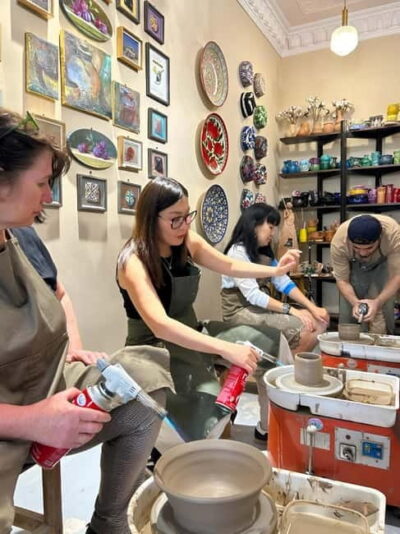
Tashkent: Uzbek Culture, Food, Crafts & Pottery Masterclass
Read our review →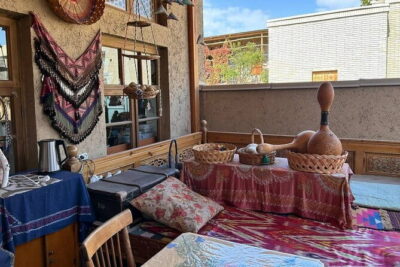
Tashkent: Cultural Exploration & Pottery Masterclass
Read our review →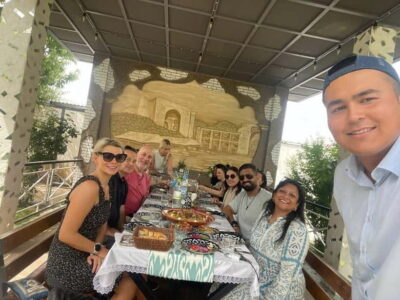
Samarkand: Uzbek Cooking Class in a Village Home
Read our review →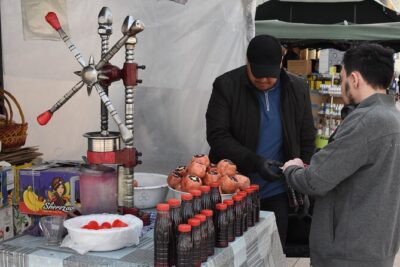
Cooking class in Samarkand with local life experience
Read our review →
Tashkent Walking & Food Tour: Highlights + Local Flavors
Read our review →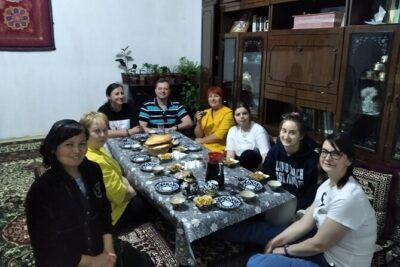
Private Samarkand Cooking Class with Market Tour & Transfers
Read our review →Browse the lists this tour appears in