
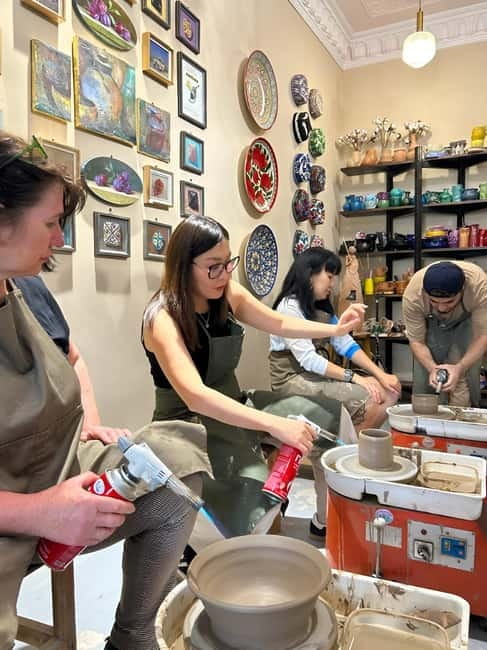
Reviewed · COOKING CLASSES
Tashkent: Uzbek Culture, Food, Crafts & Pottery Masterclass
Pottery makes Tashkent feel personal. This 3.5-hour private outing combines a guided look at Uzbek crafts, a hands-on pottery lesson, and a traditional meal, so you do more than inspect the city from a tour bus. I like the small private format and the chance to make a ceramic piece with a master potter. I also like that guides such as Yusuf and Julia explain customs, family life, textiles, and local beliefs in a relaxed way.
The main consideration is that this is not a polished sightseeing tour with famous monuments at every turn. Its appeal lies in conversation, craft, and food. You will need patience for the pottery to dry and fire, and collecting it in person may not suit a short visit. Shipping is available for an extra fee.
In This Review
- The best parts of the experience
- Why this Tashkent tour feels different
- Starting in Tashkent with a craft-focused guide
- Learning how Uzbek crafts carry meaning
- The pottery masterclass: from clay to your own design
- Lunch with non, salads, and Uzbek palov
- What the $85 price really includes
- Who should book this experience?
- Practical timing and planning advice
- Should you book the pottery and food tour?
- FAQ
- How long does the Tashkent pottery and culture experience last?
- What is included in the $85 price?
- Is hotel pickup included?
- What food is served?
- Can I take my pottery home the same day?
- Which languages are available?
- Is the activity suitable for wheelchair users or people with back problems?
The best parts of the experience
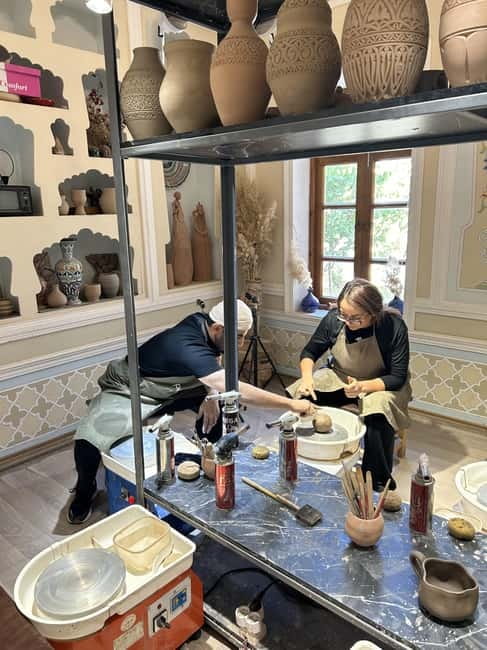
- A private introduction to Uzbek craft: Learn about silk, textiles, dolls, Suzani embroidery, ceramics, household customs, weddings, and regional craft differences.
- Real work with clay: Choose the type of piece you want to make, then try wheel throwing or molding with help from an artisan.
- Guides who make culture easy to understand: Yusuf, Julia, and other members of the team are praised for friendly conversation and useful local advice.
- Shopping with bargaining support: Your guide can help negotiate prices when you buy textiles, pottery, dolls, or other handmade goods.
- A proper Uzbek meal: Fresh non bread, salads, green tea, and palov make lunch part of the cultural lesson rather than a quick break.
- A useful $85 package: Transport to the workshop, guiding, lunch, clay, and instruction are included, though return transport and shipping cost extra.
Why this Tashkent tour feels different
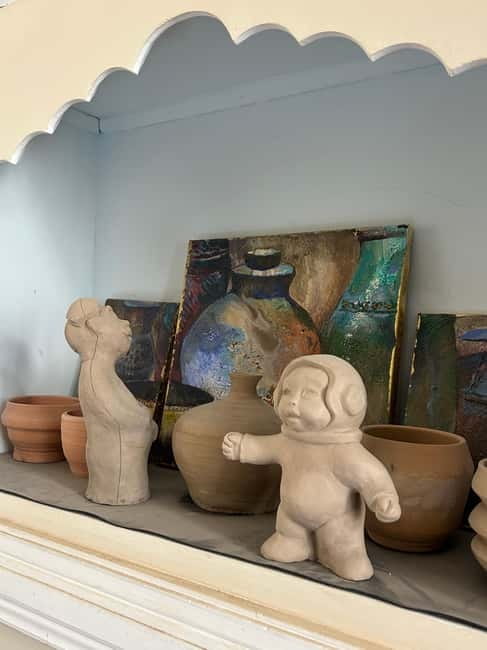
Tashkent has museums, grand avenues, markets, and Soviet-era architecture. Those are worthwhile, but they can leave you looking at Uzbekistan from the outside. This experience gives you a way to handle part of the culture yourself.
You learn about the Silk Road through the objects it helped move and shape. Textiles, ceramics, silk, embroidery, and household crafts all connect to the old trade routes that crossed Central Asia. The guide also moves beyond dates and dynasties, covering wedding customs, superstitions, traditional dolls, and differences between tribal or regional crafts.
That range matters. You begin to see why patterns, colors, materials, and objects have a place in Uzbek homes and ceremonies. You also get room to ask questions about modern life. Several guides, including Yusuf and Julia, are praised for making the afternoon feel like time with a local friend rather than a formal lecture.
This is especially helpful during your first days in Uzbekistan. You can ask for restaurant suggestions, practical city advice, and ideas for the rest of your trip. The guides are also willing to share personal experiences, including Julia’s experience of joining an Uzbek family as a foreigner.
More Cooking Classes in Tashkent
- Tashkent: Cultural Exploration & Pottery Masterclass
★ 5.0 · 24 reviews - Tashkent Vegan Street Food Tour
★ 5.0 · 22 reviews - Tashkent Walking & Food Tour: Highlights + Local Flavors
★ 5.0 · 18 reviews
Starting in Tashkent with a craft-focused guide
The experience begins with pickup in Tashkent and transport to the workshop area. The included transport is useful because you do not have to arrange your own way to an unfamiliar craft location. Drop-off at your hotel is not included, although the team can arrange a comfortable return for an additional fee.
The cultural portion lasts about an hour. Rather than rushing through a long list of sights, you focus on the objects and traditions connected with Uzbek daily life. You might look at handmade textiles, silk production, regional dolls in traditional dress, ceramics, and Suzani embroidery.
The guide explains the significance of the Silk Road and how trade encouraged the exchange of techniques and designs. This gives context to the pottery class later. You are not simply making a bowl in a studio. You are trying one small part of a craft tradition shaped by centuries of contact across Central Asia.
The guide can also help when you shop. That is a practical benefit, especially if you are not used to bargaining or do not know the usual prices. You still decide what to buy, but having a local person help with negotiation can make the process less stressful.
Do keep your expectations sensible. The exact shops or artisan stops may vary, and the tour is not designed as a long market shopping trip. Its focus is learning, making, and eating. Shopping fits naturally into the cultural visit, but it is not the whole afternoon.
Learning how Uzbek crafts carry meaning
The craft discussion is one of the strongest parts of the experience because it covers more than the usual Silk Road headline. You hear about silk and textiles, but also about the ways objects relate to the home, family, and ceremonies.
Suzani embroidery is a good example. These large embroidered textiles are associated with Central Asian homes and celebrations, and learning about their background helps you look at patterns with more care. Instead of seeing decoration as merely pretty, you begin to ask who made it, where it belongs, and what it may represent.
Traditional dolls offer another useful window into regional identity. Their clothing can show differences in dress and local style. The same is true of ceramics, where shapes and surface designs can vary by place and tradition.
The guide also discusses local superstitions and household customs. These details can be more revealing than a standard monument stop because they show how culture appears in ordinary life. Wedding traditions add another layer, helping you understand the role of craft, clothing, food, and family gatherings.
I appreciate this broad approach. You are given history, but you also hear anecdotes and personal explanations. That balance keeps the first hour from feeling like a classroom. If you enjoy asking questions, you should get plenty of useful conversation in a private group.
The pottery masterclass: from clay to your own design
The pottery session lasts roughly one to one and a half hours and is the hands-on center of the tour. You begin with an introduction to pottery and clay preparation. Then you choose the kind of piece you want to create.
Depending on the method used, you may work at the wheel or shape your piece by hand. The master potter guides you through the process, but the creative decisions remain yours. This is important for beginners. You are not simply watching an artisan make a perfect object while you take photographs.
The best approach is to accept that your first pot may have a personality of its own. Clay can wobble. A rim may lean. The final shape may be less symmetrical than the example in the studio. That is part of the fun, and the guides are described as helpful without taking control away from you.
After the first shaping, the piece needs to dry. You may then work on shaving and smoothing the surface, followed by decoration and patterns. The exact amount you complete during the session depends on the drying stage and the studio process.
The master potter’s role is a major advantage. You receive direct guidance from someone who works with the material every day, rather than a quick craft demonstration built only for photographs. Beginners have been able to produce their own pots, and the relaxed setting makes it suitable even if you have never touched a pottery wheel.
The finished piece will not be ready immediately. It must dry and be fired in a kiln, a process that can take up to a week according to the practical information provided. The broader timing also says about two weeks before collection, so I would plan for roughly one to two weeks rather than rely on a precise deadline.
You can collect the pottery in person if your schedule allows. International shipping is available for an extra charge if you have already left Tashkent. Ask about the shipping fee before you commit, since it is not part of the $85 price.
More Food Tours in Tashkent
- With John Private Tashkent city & Food tour
★ 5.0 · 13 reviews - Food tour in Tashkent
★ 4.7 · 7 reviews - Ten Bites Adventure Food Tour in Tashkent
★ 5.0 · 6 reviews - Food tour in Tashkent
★ 5.0 · 5 reviews
Lunch with non, salads, and Uzbek palov
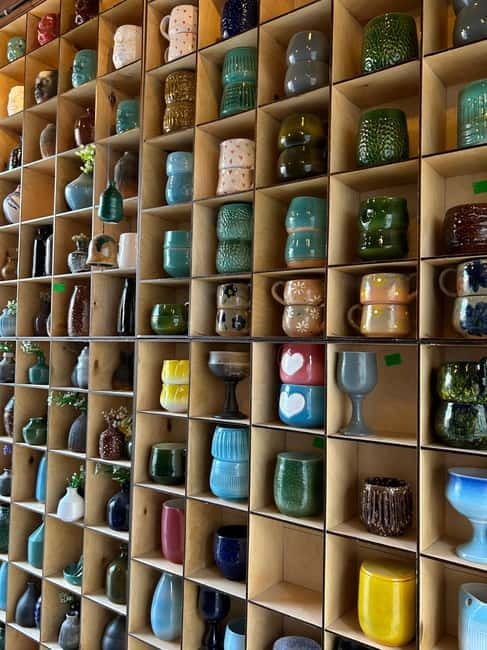
The food portion lasts about 45 minutes to an hour and takes place at a local restaurant. This is not an afterthought. The meal gives you another direct way to understand Uzbekistan.
The menu begins with fresh non, the traditional Uzbek bread. You also receive shakarob, a tomato and herb salad, along with a Kuzchi Kayfiyat salad. The main course is traditional palov, made with rice, lamb, carrots, and raisins.
Palov is one of the dishes you should make time for in Uzbekistan. It is filling and social, and the combination of rice, meat, carrots, and raisins gives you a clear taste of the country’s familiar comfort food. The meal also includes unlimited green tea and water.
Additional sides can be ordered for an extra fee. You should not need to add anything for the core meal, but ask if you want a larger spread or particular extras.
Several people describe the food as a high point, and one person singled out the green tea. Lunch may be served in a pleasant garden setting, depending on the restaurant arrangement. The relaxed meal also gives you time for a long conversation with the guides, which is part of the charm of the experience.
If you want a fast lunch between sights, this may feel leisurely. If you want food, conversation, and a chance to pause, the timing works well.
What the $85 price really includes
At $85 per person, this is not the cheapest way to spend an afternoon in Tashkent. You could eat palov for less, visit craft shops independently, and skip the workshop. The value comes from having all three parts organized together.
The price includes transport to the workshop, a private guided cultural exploration, a traditional lunch, pottery materials, and hands-on instruction from artisans. You also receive the chance to create a keepsake rather than simply buy one.
I see the strongest value in the private format. You can ask questions about customs, modern life, shopping, and the rest of your Uzbekistan itinerary without trying to speak over a large group. The guides’ warm style is repeatedly praised, particularly Yusuf’s easy conversation and Julia’s personal insight into Uzbek society.
The price is less attractive if you are not interested in making pottery or already have a full craft itinerary. It is also important to budget for two possible extras: hotel drop-off and pottery shipping. Neither is included.
Still, for a first afternoon in Tashkent, $85 covers a lot. You get a cultural introduction, a creative activity, a meal, and local contact in three and a half hours. That is a fair package for someone who values participation over simply checking off landmarks.
Who should book this experience?
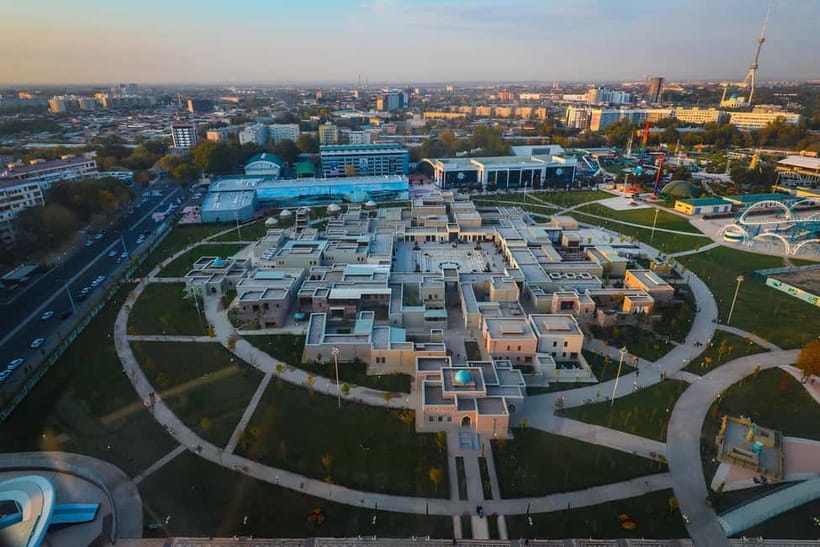
I would choose this for first-time visitors who want help understanding Uzbek culture without spending a full day on a formal city tour. It suits couples, friends, and solo visitors because the private group format keeps the mood personal.
It is also a good match for anyone who enjoys:
- Handmade crafts and design
- Food as part of cultural learning
- Informal conversation with local guides
- Small-group or private activities
- Taking home a personal souvenir
- Practical help with bargaining and Tashkent suggestions
Families with older children may enjoy the clay work, but the provided information does not specify a minimum age. Ask before booking if you are traveling with young children.
This is not suitable for wheelchair users or people with back problems. Pottery often involves sitting, leaning, and working at a low position, so you should take that warning seriously. Comfortable shoes are recommended, and you will want a camera for the crafts and finished meal.
The activity is available with live guiding in English, Russian, Polish, and Uzbek. If you need a particular language, confirm it at the time of booking.
Practical timing and planning advice
Set aside the full three and a half hours. The schedule includes about one hour of cultural exploration, 60 to 90 minutes of pottery, and roughly 45 to 60 minutes for lunch. The experience may feel longer if you linger over shopping or conversation.
Wear clothes and shoes that allow you to work comfortably with clay. The instructions specifically suggest comfortable shoes. I would also avoid wearing anything precious or difficult to clean, although no formal clothing rule is provided.
Think about your departure date before booking. If you leave Tashkent the next morning, collecting the pottery may be impossible. Shipping solves that problem, but the fee is extra and the piece still needs time for drying and firing.
The activity offers free cancellation up to 24 hours before the start time and a reserve-now, pay-later option. Those terms are useful if your Uzbekistan itinerary is still moving around. Check the available starting times, since the duration is fixed but the schedule may vary.
The activity also has a separate entrance for the workshop, which can reduce waiting. Do not interpret that as a promise of a private museum visit. The real advantage is getting to the craft setting without spending time in a standard queue.
Should you book the pottery and food tour?
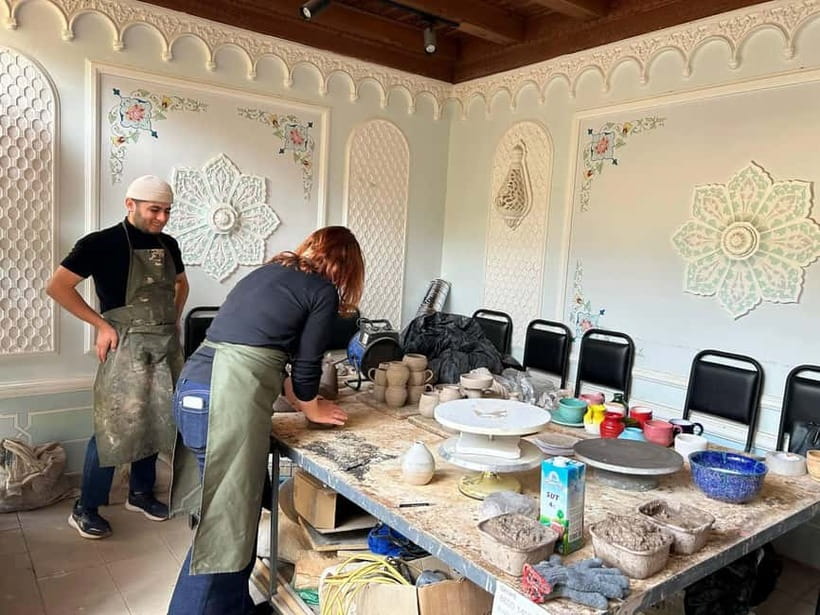
Book it if you want Tashkent to feel less like a collection of sights and more like a place where people make things, eat together, and explain their customs. The combination of Silk Road craft traditions, pottery instruction, bargaining help, and palov is unusual and gives you several ways to connect with Uzbekistan.
I would especially recommend it for your first or second day, when Yusuf, Julia, or another guide can help you understand what you are seeing and suggest ideas for the rest of your stay. The personal tone is a big part of the value.
Skip it if your main goal is monuments, museums, or a packed city itinerary. You should also skip it if you cannot manage the physical demands of pottery or will not have a way to receive your finished piece.
For most culturally curious visitors, the $85 cost is justified. You leave with new context, a full meal, and a handmade object that carries a few fingerprints and imperfections from your afternoon in Tashkent. That is a much better souvenir than another mass-produced magnet.
FAQ
How long does the Tashkent pottery and culture experience last?
The experience lasts 3.5 hours. It includes about one hour of cultural exploration, 1 to 1.5 hours of pottery work, and approximately 45 minutes to one hour for the traditional meal.
What is included in the $85 price?
The price includes transport to the workshop, guided cultural exploration, a traditional Uzbek lunch, pottery materials, and instruction from expert artisans.
Is hotel pickup included?
Pickup in Tashkent is included. Hotel drop-off is not included, but a return to your hotel can be arranged for an additional fee.
What food is served?
The meal includes non bread, shakarob, Kuzchi Kayfiyat salad, traditional palov with rice, lamb, carrots, and raisins, plus unlimited green tea and water. Additional sides cost extra.
Can I take my pottery home the same day?
No. The pottery needs time to dry and be fired in a kiln. The process can take up to a week, while collection timing may be around one to two weeks. International shipping is available for an additional fee.
Which languages are available?
Live guiding is available in English, Russian, Polish, and Uzbek.
Is the activity suitable for wheelchair users or people with back problems?
No. The experience is not suitable for wheelchair users or people with back problems. Comfortable shoes are recommended.
Freshly added in Tashkent
- Uzbek Brews & Views: Tashkent Craft Beer Discovery Tour★ 5.0 · 2 reviews
- Uzbekistan Tour – 6 Days 5 Nights★ 5.0 · 4 reviews
- Tashkent International Airport (TAS) to Tashkent – Arrival Private Transfer★ 5.0 · 2 reviews
- 8-Day Private Tour in Uzbekistan with Pick Up★ 5.0 · 2 reviews
- Tashkent-Samarkand-Bukhara tour-3nights/4 days★ 5.0 · 5 reviews
- Tashkent Food and Metro Journey★ 5.0 · 4 reviews
- Private Intercity Transfer Tashkent – Samarkand – Tashkent★ 3.5 · 3 reviews
- Tashkent Mountain Tour Amirsoy with Transport★ 3.5 · 3 reviews
Cooking Classes, compared.

Samarkand: Village Tour with Plov Cooking Class & Home Visit
Read our review →
Tashkent: Cultural Exploration & Pottery Masterclass
Read our review →
Samarkand: Uzbek Cooking Class in a Village Home
Read our review →
Cooking class in Samarkand with local life experience
Read our review →
Tashkent Walking & Food Tour: Highlights + Local Flavors
Read our review →
Private Samarkand Cooking Class with Market Tour & Transfers
Read our review →
Browse the lists this tour appears in