
Reviewed · COOKING CLASSES
Food tour in Tashkent
Come hungry, leave with context. This four-hour food tour gives you a practical introduction to Uzbek cooking, pairing famous dishes with market browsing and local stories. I especially like the combination of Chorsu Bazaar and Besh Qozon Pilaf Center, and I like that lunch, transport, tastings, and a local guide are included.
The small group, limited to 10 people, should make it easier to ask questions and keep the outing personal. My main caution is that the food experience may depend heavily on your guide and the chosen restaurants. One guide, Ibrahim, has received strong praise for his explanations, but one account found some stops too much like chain restaurants and felt the food commentary was thin.
In This Review
- Key points to know before booking
- Why a food tour is a smart first look at Tashkent
- The first two food stops: a broad Uzbek introduction
- Chorsu Bazaar: food shopping in the center of the tour
- Besh Qozon Pilaf Center and the final meal
- The guide can make or break the experience
- Is $99 a fair price?
- How to prepare for four hours of tasting
- Who will enjoy this Tashkent food tour?
- Should you book the Tashkent food tour?
- FAQ
- How long does the Tashkent food tour last?
- What food can I expect to taste?
- Is lunch included?
- Is transportation provided?
- What languages does the guide speak?
- Can I cancel the booking?
Key points to know before booking
- Four hours of eating and exploring: The tour fits two food-focused visits, Chorsu Bazaar, and Besh Qozon Pilaf Center into one half-day outing.
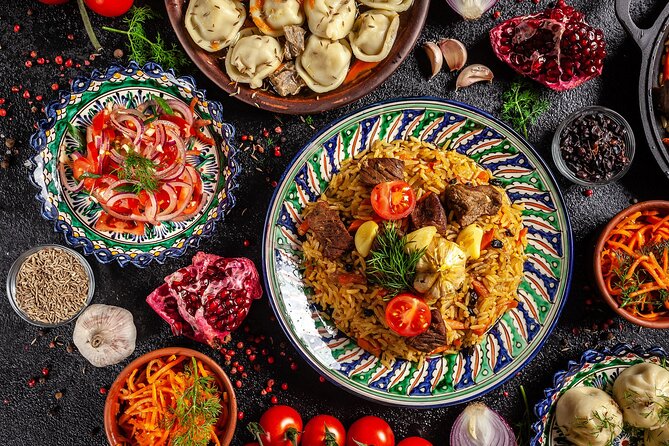
- Classic Uzbek dishes included: You may taste plov, lagman, manti, and shashlik, along with bread, dried fruit, spices, and sweets.
- Chorsu Bazaar adds local color: This is the market portion, with time for photographs, browsing, and contact with vendors.
- Besh Qozon is the big finish: The tour ends at Tashkent’s well-known pilaf center, where plov takes center stage.
- Small groups matter: With no more than 10 participants, you should have room to ask about ingredients, customs, and preparation.
- The $99 price covers the main costs: Food, lunch, a guide, and a comfort vehicle are included, though personal purchases are extra.
Why a food tour is a smart first look at Tashkent
Uzbek food is not built around one famous dish. It is a meal culture shaped by grains, meat, dough, vegetables, spices, bread, and long-standing family methods. A good food tour helps you see how these parts fit together instead of treating plov as the only thing worth trying.
This outing also gives you more than restaurant meals. The market visit places food in its everyday setting, while the guide explains how dishes are prepared and why they matter. That context is useful when you are seeing unfamiliar ingredients or deciding what to order later in your trip.
I like the structure because it mixes seated eating with walking and browsing. Four hours is long enough to get a solid taste of Tashkent without taking over your entire day, though you should plan for a full stomach by the final stop.
The tour begins with pickup in Tashkent. Your exact pickup point needs to be shared with the provider, so give a clear address or hotel location when arranging the outing. A comfort vehicle is included, which is helpful when the day involves several stops.
More Cooking Classes in Tashkent
- Tashkent: Uzbek Culture, Food, Crafts & Pottery Masterclass
★ 5.0 · 24 reviews - Tashkent: Cultural Exploration & Pottery Masterclass
★ 5.0 · 24 reviews - Tashkent Vegan Street Food Tour
★ 5.0 · 22 reviews
The first two food stops: a broad Uzbek introduction
The first two one-hour sections are listed as visits with guided touring and food tasting. The information does not name every restaurant, so you should think of these stops as the flexible part of the tour. They may introduce you to the dishes that define Uzbek cooking, with the guide explaining ingredients, preparation, and local customs.
The food named for the experience includes plov, lagman, manti, and shashlik. Each gives you a different view of the cuisine:
- Plov: Rice cooked with meat, carrots, and other ingredients. It is one of the country’s best-known dishes and the main focus later at Besh Qozon.
- Lagman: Noodles served with meat and vegetables, offering a change from rice and grilled food.
- Manti: Steamed dumplings, usually filled with meat or another savory mixture.
- Shashlik: Skewered grilled meat, a straightforward dish that lets the quality of the ingredients and cooking show.
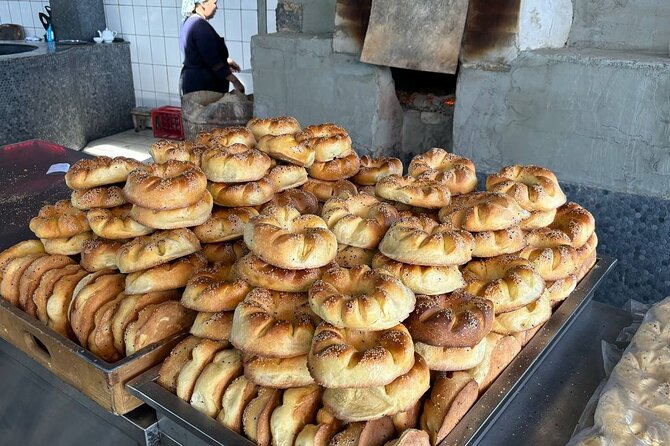
You may also taste traditional bread, dried fruits, and sweets. Bread has an important place in Uzbek meals, and trying it fresh gives you a better sense of the everyday side of local food than a formal restaurant dinner alone.
A cooking demonstration or short cooking class may also be part of the experience. The stated activity mentions traditional bread-making or preparing a classic Uzbek dish, but the exact format is not guaranteed for every departure. If hands-on cooking is important to you, ask about it before booking.
The best feature of these early stops is the guide’s interpretation. You are not simply handed a plate and left to guess what is on it. The guide can explain where a dish comes from, how its ingredients work together, and how recipes pass through families.
Still, keep your expectations flexible. One account found that two of the early venues felt more like chain fast-food restaurants than local establishments. That is the clearest weakness in the experience: the promise of local food is appealing, but the actual choice of venues may vary.
Chorsu Bazaar: food shopping in the center of the tour
Chorsu Bazaar receives its own hour, and that is a good use of time. The market portion includes a guided visit and a photo stop, giving you space to look beyond prepared dishes and see the ingredients that support Tashkent’s kitchens.
Expect sights, smells, and sounds from fresh produce, spices, traditional snacks, dried fruit, and sweets. You can engage with vendors and see how food is presented for everyday buying. This is where the tour connects the plate to the market.
I would pay close attention to the small items here. Freshly baked bread, dried fruits, and local sweets may be easier to understand in a market than in a restaurant. You can see the colors, textures, and quantities directly, and your guide can help explain what you are looking at.
Chorsu is also the most useful stop if you want photographs. The hour includes time for pictures, but it is not simply a quick pass through the market. The guided element should help you notice details you might otherwise miss, especially if you do not read Russian or know the local food terms.
The market is not only a backdrop for lunch. It shows the practical side of food culture: ingredients being sold, snacks being sampled, and vendors interacting with customers. If you enjoy ordinary daily scenes more than polished dining rooms, this may be the strongest part of the tour.
There is one practical point to remember. Personal expenses are not included. If you want to buy dried fruit, sweets, bread, or another market item, bring money for those purchases. The tour includes tastings, but that does not mean every item you want to take home is covered.
Besh Qozon Pilaf Center and the final meal
The final scheduled stop is Besh Qozon Pilaf Center in Tashkent. The name tells you what to expect: this is the place where plov takes the lead.
Ending with plov gives the tour a clear finish. After tasting several types of Uzbek food, you get to focus on one of the country’s best-known specialties in a setting devoted to it. The tour includes lunch, and this stop appears to be the main meal portion of the outing.
Plov is a dish best understood by watching its preparation and tasting the balance of rice, meat, carrots, and seasoning. A guide can make the experience more useful by pointing out how the ingredients are handled and how this version compares with other styles of Uzbek plov.
The Besh Qozon stop also reveals the tour’s balance between local culture and well-known visitor destinations. It is a popular and recognizable place, which makes it easy to include in a short tour. At the same time, one account described the pilaf venue as very tourist-oriented. That does not make the food unimportant, but it may disappoint you if you want every stop to feel like a small family restaurant.
I would treat this stop as a chance to understand a major Uzbek food tradition, not as proof that every meal in Tashkent happens in a grand pilaf hall. The tour works best when you see Besh Qozon as one part of the city’s food scene, alongside the market and the earlier tastings.
More Food Tours in Tashkent
- Tashkent Walking & Food Tour: Highlights + Local Flavors
★ 5.0 · 18 reviews - With John Private Tashkent city & Food tour
★ 5.0 · 13 reviews - Ten Bites Adventure Food Tour in Tashkent
★ 5.0 · 6 reviews - Food tour in Tashkent
★ 5.0 · 5 reviews
The guide can make or break the experience
The guide is central to this tour. You receive a live guide in English or Russian, and the group is limited to 10 participants. That is a useful size for a food outing because you can ask questions without turning the tour into a private booking.
Ibrahim deserves particular mention. His explanations of the different foods have been praised, and he has also been appreciated for sharing general information about Tashkent and Uzbekistan. If Ibrahim is available, his broad storytelling ability could add real value between meals.
The main issue is consistency. The guide needs both general cultural knowledge and a strong understanding of food and spices. If the commentary is detailed, you will leave knowing what you ate and why it matters. If not, the outing can feel like a sequence of meals with a market visit in the middle.
You can improve your experience by asking direct questions. Ask how a dish is prepared, which spices are used, whether a recipe changes by region, and what locals eat at home. A food tour becomes much more useful when you treat it as a conversation rather than a passive tasting session.
The language options are English and Russian. If you need another language, this experience may not suit you.
Is $99 a fair price?
At $99 per person, this is not the cheapest way to eat in Tashkent. You could certainly spend less by choosing your own restaurants and visiting Chorsu Bazaar independently.
The price becomes easier to justify because it includes several costs at once: food tastings, lunch, a local guide, and transport in a comfort vehicle. You also receive organized access to multiple food stops in four hours, plus explanations that you would not get from eating alone.
The value depends on how much you want help with the city. If you are already comfortable finding restaurants, handling local menus, and getting to the market, you may prefer to spend the money on a longer independent meal. If this is your first day in Tashkent, the tour can save time and remove some uncertainty.
The small group also matters. A maximum of 10 people is more manageable than a large coach group, particularly in a market where a crowd can make conversation awkward. You are paying partly for convenience and structure, not just for the food itself.
I would call the price reasonable for a visitor who wants a guided introduction, provided the stops are genuinely local and the guide gives strong food commentary. The possibility of chain-style venues is the reason I would not call it an automatic bargain.
How to prepare for four hours of tasting
Wear comfortable clothes, as requested by the provider. You will be moving between food stops and the market, so comfort matters more than dressing for a formal restaurant.
Do not arrive after a large meal. The schedule includes tastings at two early stops, market food exploration, and lunch at Besh Qozon. The exact portion sizes are not provided, but the overall plan is clearly designed for substantial eating.
Bring money for personal purchases at Chorsu Bazaar. Food tasting is included, but market goods and other personal expenses are not.
The tour does not allow alcohol or drugs. It is also not suitable for babies under one year old. Families with older children should check their own comfort with a four-hour food schedule, since the experience is centered on tasting and guided eating.
Free cancellation is available until 24 hours before the tour for a full refund. You can also reserve now and pay later, which is useful if your Tashkent schedule is still changing. Starting times depend on availability, so check the available departure before making plans around it.
Who will enjoy this Tashkent food tour?
I would recommend this tour most strongly if you:
- Are visiting Tashkent for the first time
- Want to try several Uzbek dishes without planning every meal yourself
- Enjoy markets as much as restaurants
- Like hearing the background behind food and cooking methods
- Prefer a small group over a large organized outing
- Want transport included between stops
- Are comfortable with a mix of well-known venues and possibly more ordinary restaurants
It may be less suitable if you want a strictly local, non-commercial food route. The inclusion of Besh Qozon is useful for learning about plov, but the venue may feel tourist-oriented. You may also be disappointed if you expect a hands-on cooking class every time, since the bread demonstration or mini class is described as a possible activity rather than a fixed guarantee.
Food enthusiasts should also keep the guide issue in mind. Ibrahim has been praised for his explanations, but the experience is not equally strong if the guide lacks detailed knowledge of spices and dishes. If food education is your main reason for booking, ask who will lead your tour and whether the cooking activity is scheduled.
Should you book the Tashkent food tour?
Book it if you want an easy, well-organized first taste of Tashkent, especially if you value a market visit and need transport between food stops. The combination of plov, lagman, manti, shashlik, Chorsu Bazaar, and Besh Qozon gives you a useful first map of Uzbek cuisine in just four hours.
I would book with realistic expectations. This is not guaranteed to be a perfectly local food crawl, and the quality of the commentary can depend on the guide. For the best chance of a rewarding outing, request Ibrahim if possible, arrive hungry, carry money for market purchases, and ask plenty of questions.
At $99, the tour makes the most sense for you if convenience, interpretation, and a compact introduction are worth paying for. If you prefer to eat cheaply and independently, visit Chorsu on your own and choose restaurants at your own pace instead.
FAQ
How long does the Tashkent food tour last?
The tour lasts four hours, including pickup in Tashkent, guided food visits, the Chorsu Bazaar visit, Besh Qozon Pilaf Center, and return to Tashkent.
What food can I expect to taste?
The experience includes Uzbek dishes such as plov, lagman, manti, and shashlik. You may also taste freshly baked bread, dried fruits, traditional snacks, and sweets.
Is lunch included?
Yes. Lunch is included, along with the listed food tastings.
Is transportation provided?
Yes. Pickup in Tashkent and a comfort vehicle are included. You need to contact the provider and share your pickup location.
What languages does the guide speak?
The live guide is available in English or Russian.
Can I cancel the booking?
Yes. You can cancel up to 24 hours in advance for a full refund. The experience also offers a reserve-now-and-pay-later option.
Freshly added in Tashkent
- Uzbek Brews & Views: Tashkent Craft Beer Discovery Tour★ 5.0 · 2 reviews
- Uzbekistan Tour – 6 Days 5 Nights★ 5.0 · 4 reviews
- Tashkent International Airport (TAS) to Tashkent – Arrival Private Transfer★ 5.0 · 2 reviews
- 8-Day Private Tour in Uzbekistan with Pick Up★ 5.0 · 2 reviews
- Tashkent-Samarkand-Bukhara tour-3nights/4 days★ 5.0 · 5 reviews
- Tashkent Food and Metro Journey★ 5.0 · 4 reviews
- Private Intercity Transfer Tashkent – Samarkand – Tashkent★ 3.5 · 3 reviews
- Tashkent City Tour with Hotel Pickup and Drop off★ 4.5 · 4 reviews
Cooking Classes, compared.
Samarkand: Village Tour with Plov Cooking Class & Home Visit
Read our review →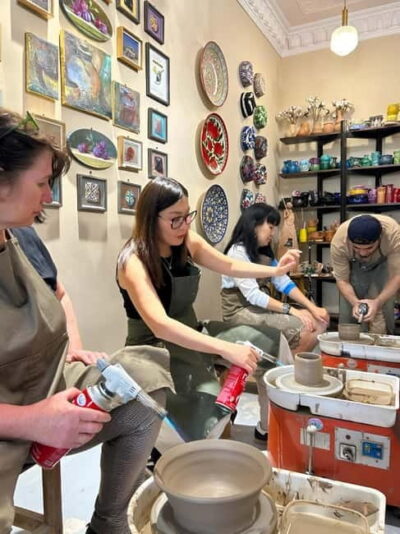
Tashkent: Uzbek Culture, Food, Crafts & Pottery Masterclass
Read our review →
Tashkent: Cultural Exploration & Pottery Masterclass
Read our review →
Samarkand: Uzbek Cooking Class in a Village Home
Read our review →
Cooking class in Samarkand with local life experience
Read our review →
Tashkent Walking & Food Tour: Highlights + Local Flavors
Read our review →
Private Samarkand Cooking Class with Market Tour & Transfers
Read our review →Browse the lists this tour appears in