
Reviewed · COOKING CLASSES
Tashkent: Cultural Exploration & Pottery Masterclass
Culture you can take home.
This Tashkent experience brings Uzbek craft traditions to life through a guided cultural session, a hands-on pottery class, and a home-style meal. I especially like the chance to work with clay beside a local artisan, and I like that guide Yusuf explains customs ranging from wedding traditions to household superstitions. The main drawback is practical: glazing and shipment of your pottery cost extra, and there is no drop-off after the tour.
At $85 per person, the three-and-a-half-hour program offers more than a standard sightseeing talk. Your private group receives pickup, equipment, instruction, lunch, and cultural interpretation. Food restrictions deserve attention before booking, since the meal includes meat, dairy, wheat, and possible nuts, with only limited plant-based choices.
In This Review
- Key points at a glance
- A small cultural tour with a personal feel
- The first hour: Silk Road trade, textiles, and home traditions
- From wet clay to decorated pottery
- Palov, non bread, and a quiet meal
- Why the private format helps
- Timing, pickup, and what is not included
- What the strongest praise tells you
- Who will enjoy this Tashkent experience most
- Is the $85 price worthwhile?
- Should you book it?
- FAQ
- How long does the Tashkent pottery experience last?
- Is pickup included?
- Is this a private tour?
- What does the cultural exploration cover?
- Is pottery equipment provided?
- Is glazing included?
- Is shipment of the pottery included?
- What food is served?
- Can people with dietary restrictions join?
Key points at a glance
- Yusuf brings the craft stories into focus: His discussion covers Silk Road trade, silk production, Suzani embroidery, dolls, ceramics, tribal differences, weddings, and local beliefs.
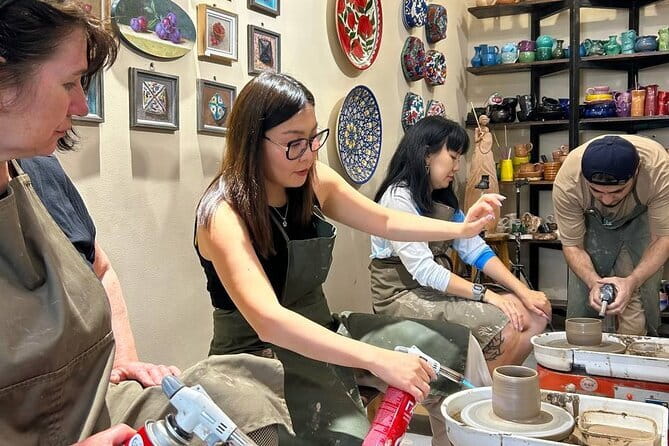
- You make your own pottery: The class includes clay preparation, wheel throwing or molding, shaving, and decoration with help from a working local potter.
- The meal is part of the lesson: Uzbek non bread, salads, palov, green tea, and water follow the creative session.
- Your group stays private: Only your own party participates, which makes it easier to ask questions and get help at the pottery wheel.
- The timing is compact but full: Expect one hour of cultural discussion, up to an hour and a half of pottery, and one hour for the meal.
- Plan for the finished piece: Glazing and shipment are not included, so ask how your pottery will be handled before you book.
A small cultural tour with a personal feel
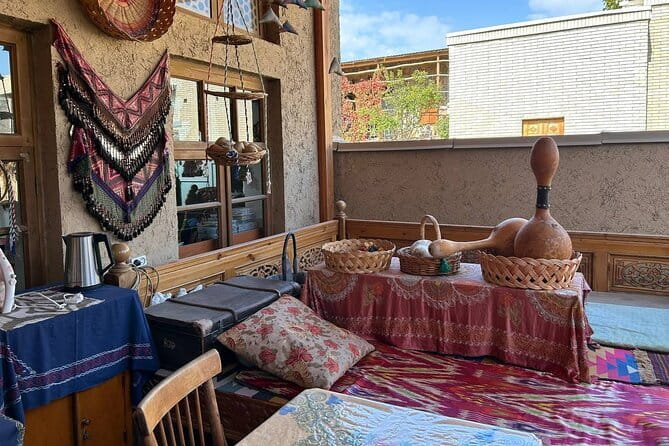
This is a good choice if you want more than a quick look at monuments. The focus is on ordinary traditions and skilled handwork, areas that often tell you more about a country than a list of dates and rulers.
Yusuf’s role matters here. He guides the cultural portion and explains Uzbek crafts and customs in a conversational way. You can ask to focus on the subjects that interest you most, rather than simply listening to a fixed speech. That flexibility is especially useful for a private group with mixed interests.
The program also has a pleasant rhythm. You begin with ideas and stories, move into making something with your hands, then sit down to eat. The food is not an afterthought. It gives you another way to understand daily Uzbek life, from round non bread to the central place of palov at the table.
I would not book this as a replacement for a full city tour. The experience concentrates on crafts and food, not a long list of Tashkent sights. Think of it as a cultural workshop that fits neatly into a free afternoon.
More Cooking Classes in Tashkent
- Tashkent: Uzbek Culture, Food, Crafts & Pottery Masterclass
★ 5.0 · 24 reviews - Tashkent Vegan Street Food Tour
★ 5.0 · 22 reviews - Tashkent Walking & Food Tour: Highlights + Local Flavors
★ 5.0 · 18 reviews
The first hour: Silk Road trade, textiles, and home traditions
The opening cultural session covers a broad range of Uzbek life. You learn about the importance of the Silk Road and how trade routes helped move goods, ideas, designs, and skills across Central Asia.
That subject gives the pottery class useful context. Ceramics were not simply decorative objects. Pottery served daily needs, while patterns and methods could reflect local traditions and regional styles. The discussion connects craft to the wider movement of people and goods that shaped Uzbekistan.
Textiles receive attention as well. The session includes traditional silk production and the history of Suzani embroidery. Suzani pieces are known for their decorative needlework, and their designs can carry family and regional meaning. You also hear about traditional doll making, another craft that shows how artistic skills appear in everyday objects.
I like the range of subjects because it prevents the tour from becoming only a pottery demonstration. You get a look at several forms of handwork and how they relate to identity, family life, and local customs.
The cultural conversation also includes differences among tribal and ethnic groups, local superstitions, Uzbek household traditions, and wedding customs. These details can be especially useful if you want to understand behavior and social life rather than simply admire old objects.
Do not expect an academic lecture on every subject. An hour is enough to introduce the themes, not cover them in full depth. The benefit is variety and the chance to ask Yusuf follow-up questions about the customs that catch your attention.
From wet clay to decorated pottery
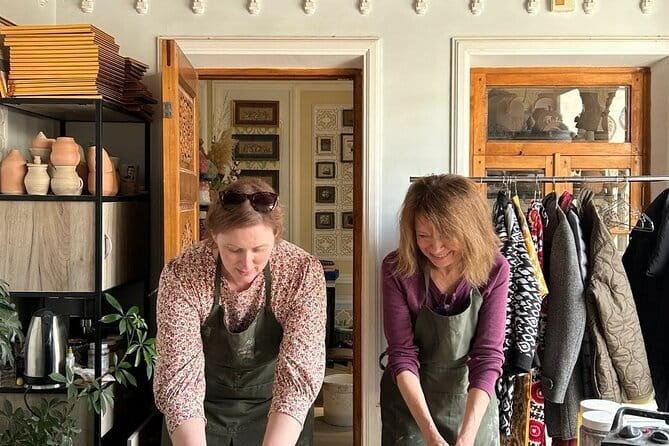
The pottery masterclass lasts about one to one and a half hours. That is enough time to learn the basic process, make a piece, and add your own decoration, though you should keep your expectations realistic if this is your first time at a wheel.
The session begins with an introduction to pottery and clay preparation. You then choose the type of piece you will make. The exact object depends on the options available during your class, so I would treat this as a guided creative activity rather than a guaranteed way to produce a perfect bowl or cup.
Wheel throwing or molding comes next. If you have never used a pottery wheel, the clay may have other plans for you. That is part of the fun. A skilled artisan helps you shape the material and correct your technique, giving you a far better chance of producing something recognizable than you would have alone.
The process continues with initial drying using a fire torch, followed by shaving. Shaving refines the shape and removes excess material once the clay has firmed up. You then decorate the piece, including carved designs that help preserve Uzbek decorative styles.
This is the strongest part of the experience for anyone who enjoys making things. You are not only watching an artisan work. You handle the clay, make decisions, and leave with a physical reminder of the afternoon, although the finished piece may require additional work before it is ready for use.
One important detail: glazing is not included. Glaze gives pottery its finished surface and can affect color, shine, and durability. Shipment is also not included. Ask about both points before you begin, especially if you are leaving Uzbekistan soon or want the item sent home.
The supplied information does not promise that your pottery will be glazed, fired, or shipped as part of the $85 price. That does not reduce the value of the class, but it does affect what you should count as your final souvenir.
Palov, non bread, and a quiet meal

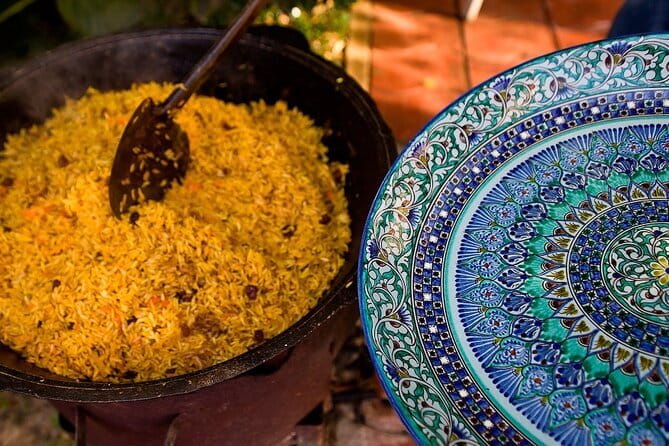
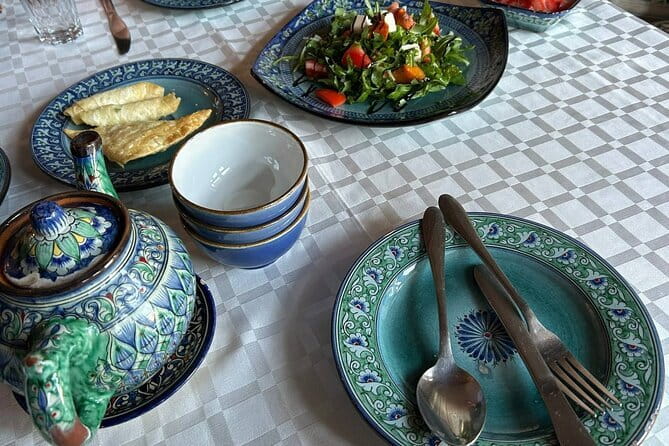
The final hour is set aside for a traditional Uzbek lunch or dinner. The meal includes Uzbek non bread, Shakarob and Kuzchi Kayfiyat salads, a variety of traditional palov, unlimited green tea, and water.
Palov is one of Uzbekistan’s best-known dishes. It is a substantial rice-based meal, and it makes a fitting end to a craft session that may leave you hungry. The hot bread and pickled vegetables add contrast to the main dish, while the tea keeps the meal simple and relaxed.
A meal in a garden setting is described as tranquil, which gives the program a slower finish than a rushed restaurant stop. You get time to talk with your guide, compare pottery attempts, and let the cultural material settle in.
The food is also a real consideration. Meat and dairy are part of the meal, and plant-based choices are limited. Bread and pastries contain wheat, cheese appears in starters, and Uzbek cuisine may include nuts. If you have celiac disease, a serious allergy, or strict dietary needs, confirm ingredients before booking rather than relying on substitutions at the table.
Vegetarians and vegans should ask what can be changed. The experience does not promise a fully vegetarian or vegan menu. The same advice applies to lactose intolerance and nut allergies.
Same stretch of the Silk Road, a different sort of day:
- Best of Tashkent Mountains: Amirsoy, Chimgan & Charvak Trip
★ 4.8 · 567 reviews - Samarkand One Day Tour – Departure From Tashkent
★ 5.0 · 313 reviews - Tashkent City Tour
★ 5.0 · 121 reviews - Shymkent Day Tour from Tashkent
★ 4.6 · 71 reviews
Why the private format helps
Only your own group participates. That is a useful advantage in a hands-on class, where you may need repeated help with clay or want to ask basic questions without holding up a large group.
A private setting also makes the cultural discussion more adaptable. If you care most about textiles, weddings, or regional craft differences, you can guide the conversation in that direction. Yusuf is described as easy to talk with and willing to listen to what you want to focus on.
The trade-off is that private tours can cost more than a large group outing. At $85 per person, the price is not the cheapest way to spend an afternoon in Tashkent. Still, you receive pickup, all equipment, lunch, taxes and fees, a private guide, and a craft class. If you value personal attention and an activity rather than passive sightseeing, the price is fair.
Group discounts are offered, which may improve the value for a family or small party. The experience is booked about 29 days ahead on average, so I would not leave it until the last day of your Tashkent stay if the pottery class is important to you.
Timing, pickup, and what is not included

The complete experience lasts approximately three hours and 30 minutes:
- Cultural exploration: about one hour
- Pottery masterclass: about one to one and a half hours
- Traditional meal: about one hour
Pickup is included, which removes one common source of hassle in an unfamiliar city. Drop-off is not included, so you should plan your next move from the meal location. The experience is near public transportation, but the exact transport details are not supplied, so confirm the meeting and ending points when you book.
All pottery equipment is provided. You do not need to bring tools or clay. Comfortable clothes make sense because working with wet clay can be messy, though no special clothing requirement is given.
Mobile tickets are accepted, confirmation arrives at booking, and service animals are allowed. Most people can participate, but the activity involves handling clay and working at a pottery wheel or with molds. If you have mobility or other participation concerns, ask the provider before committing.
Cancellation is flexible up to 24 hours before the start time. You receive a full refund if you cancel at least 24 hours ahead. Cancellations or changes made within 24 hours are not refunded or accepted, and the cutoff uses local time.
What the strongest praise tells you
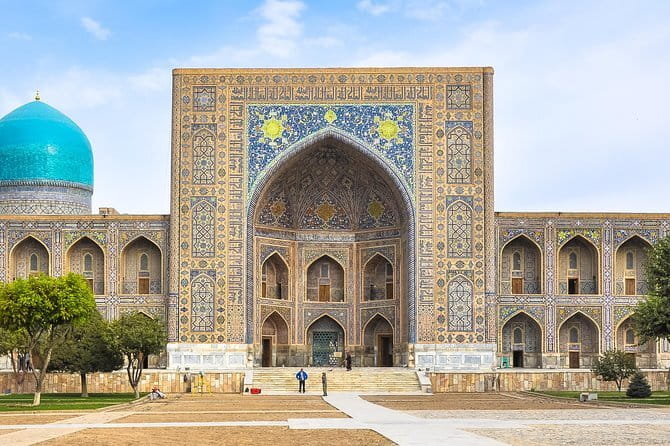
The most consistent praise centers on the guide, the pottery, and the meal. Yusuf is repeatedly described as kind, easy to talk with, and well informed about Uzbek crafts and customs. That combination is important because a guide can know a subject well and still make a group feel ignored. Here, the personal exchange seems to be a central part of the experience.
The pottery also earns unusually warm attention. Beginners describe having a great time and feeling proud of what they made. That is a good sign for anyone who feels nervous about trying a wheel for the first time.
The food receives specific approval as well. The meal can include plov, homemade cherry juice, pickled vegetables, and bread served hot from the oven. Cherry juice is not listed as a guaranteed inclusion, so I would not book expecting it, but the detail gives you a useful picture of the meal’s homemade character.
One practical strength is the way the parts support each other. The cultural talk explains the setting, the class lets you try a traditional skill, and the meal gives you a taste of local hospitality. None of these parts needs to carry the full experience alone.
Who will enjoy this Tashkent experience most
I would recommend it to:
- First-time visitors who want an introduction to Uzbek crafts
- Couples, families, and friends who prefer a private activity
- Anyone who enjoys pottery, textiles, embroidery, or handmade objects
- People who want a food experience tied to culture
- Visitors with a half-day free in Tashkent
- Curious beginners who do not mind making an imperfect souvenir
I would be more cautious if you want a major sightseeing tour, a fully plant-based meal, or a finished pottery item ready to pack immediately. I would also look elsewhere if you dislike guided activities or prefer to explore entirely on your own.
The tour works best when you treat the pottery as a creative experiment. Your piece may not look like the artisan’s work, and that is exactly why it becomes personal.
Is the $85 price worthwhile?
The value depends on what you want from a Tashkent afternoon. If you only want lunch, $85 is expensive. If you only want a basic craft demonstration, it is also more than you need.
But the price covers a private cultural guide, pickup, all fees and taxes, pottery equipment, a hands-on class, and a traditional meal. You also receive access to local craft knowledge that is difficult to gain from walking through a market alone. For a private experience lasting three and a half hours, the cost is reasonable, especially if your group qualifies for a discount.
Remember the extra costs. Glazing and shipment are excluded, and there is no drop-off. These are small details that can affect your final budget and your plans for carrying the pottery home.
Should you book it?
Book this experience if you want to connect Uzbek history and daily life through crafts, conversation, and food. The combination is unusual, the private format allows personal questions, and the pottery class gives you something more memorable than photographs.
Before booking, confirm the meal ingredients if you have dietary restrictions. Also ask about glazing, firing, and shipment so you know exactly what happens to your pottery after the class.
For an easy, personal introduction to Uzbekistan’s craft traditions, I think this is a strong choice. It is not a full Tashkent sightseeing tour, but it offers something many city tours miss: time to sit, make, eat, and talk.
FAQ
How long does the Tashkent pottery experience last?
The experience lasts approximately three hours and 30 minutes. The cultural session takes about one hour, pottery takes one to one and a half hours, and the traditional meal takes about one hour.
Is pickup included?
Yes. Pickup is included in the experience. Drop-off is not included, so plan your transportation after the meal.
Is this a private tour?
Yes. Only your own group participates.
What does the cultural exploration cover?
The session covers the Silk Road, traditional textiles, silk production, doll making, differences among tribal crafts, local superstitions, household traditions, wedding customs, Suzani embroidery, ceramics, and pottery.
Is pottery equipment provided?
Yes. Pottery equipment is included in the price.
Is glazing included?
No. Glazing is not included.
Is shipment of the pottery included?
No. Pottery shipment is not included.
What food is served?
The meal includes Uzbek non bread, Shakarob and Kuzchi Kayfiyat salad, a variety of traditional palov, unlimited green tea, and water.
Can people with dietary restrictions join?
Most people can participate, but the meal includes meat and dairy with limited plant-based options. It also includes wheat, may include nuts, and uses cheese in starters. Confirm specific ingredients with the provider if you have allergies, celiac disease, or other dietary restrictions.
Freshly added in Tashkent
- Uzbek Brews & Views: Tashkent Craft Beer Discovery Tour★ 5.0 · 2 reviews
- Uzbekistan Tour – 6 Days 5 Nights★ 5.0 · 4 reviews
- Tashkent International Airport (TAS) to Tashkent – Arrival Private Transfer★ 5.0 · 2 reviews
- 8-Day Private Tour in Uzbekistan with Pick Up★ 5.0 · 2 reviews
- Tashkent-Samarkand-Bukhara tour-3nights/4 days★ 5.0 · 5 reviews
- Tashkent Food and Metro Journey★ 5.0 · 4 reviews
- Private Intercity Transfer Tashkent – Samarkand – Tashkent★ 3.5 · 3 reviews
- Private Tashkent City Tour★ 5.0 · 3 reviews
Cooking Classes, compared.

Samarkand: Village Tour with Plov Cooking Class & Home Visit
Read our review →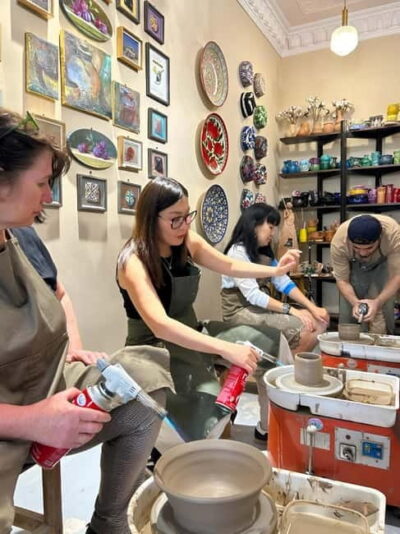
Tashkent: Uzbek Culture, Food, Crafts & Pottery Masterclass
Read our review →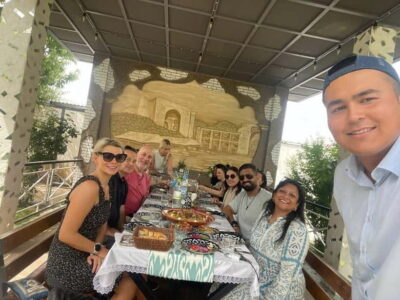
Samarkand: Uzbek Cooking Class in a Village Home
Read our review →
Cooking class in Samarkand with local life experience
Read our review →
Tashkent Walking & Food Tour: Highlights + Local Flavors
Read our review →
Private Samarkand Cooking Class with Market Tour & Transfers
Read our review →
Browse the lists this tour appears in