
Reviewed · COOKING CLASSES
Cooking Class in the Village with Local Family in Samarkand
A market trip can become your lunch. This five-hour outing links Samarkand’s food scene with daily family life, beginning at a local bazaar before moving to a village home for Uzbek cooking. I especially like the chance to buy ingredients with a local host and the private setting, where your group can talk, cook, and share a meal without a large tour crowd.
I also like that the day reaches beyond the kitchen, with visits connected to Konigil paper-making, oil meal, and pottery. The main point to consider is the cooking pace: one account describes it as slow and relaxed, while another wished for more hands-on tasks such as rolling dough or collecting firewood.
In This Review
- Key points at a glance
- Why a village kitchen adds something special
- The bazaar: your first lesson in Uzbek food
- Cooking plov, samsa, shashlik, and more
- Meeting the family behind the meal
- Konigil paper, oil meal, and pottery
- Timing, pickup, and the five-hour schedule
- Is $65 a fair price?
- What the cooking pace is really like
- Who should book this Samarkand experience?
- Should you book it?
- FAQ
- How long does the cooking experience last?
- Is hotel pickup available?
- Is the starting time fixed?
- Is this a private tour?
- What food can I learn to cook?
- Does the experience include a market visit?
- Are vegetarian meals possible?
- What additional places may be visited?
- Can I cancel for a full refund?
- How much does the experience cost?
Key points at a glance
- Start with a real Samarkand bazaar: Shop for ingredients, see local produce, and get a useful introduction to everyday food customs.
- Cook in a village family home: Prepare traditional dishes such as plov, shashlik, and samsa in a personal setting.
- Expect a private experience: Only your group takes part, which makes conversation and dietary requests easier.
- Meet hosts connected with the experience: Hosts named in the guest accounts include Goli, Gulrux, Navuq, and Navro’z.
- Go beyond cooking: The outing can include Konigil paper production, oil meal, and pottery workshops.
- Plan for about five hours: Hotel pickup is offered, the start time is flexible, and free cancellation is available until 24 hours before departure.
Why a village kitchen adds something special
Samarkand is famous for its grand monuments, but food gives you a more ordinary and personal view of the city. At home, recipes are not just instructions. They are part of family routine, hospitality, and memory.
That is the appeal of this experience. You are not simply shown a finished plate of plov. You begin by seeing ingredients at a local bazaar, then follow them into a family kitchen. The connection between market, preparation, and meal makes the day feel grounded.
I like the private format here. You are not folded into a busload of people, and the host can respond to your questions or food preferences. Several hosts are described as warm and easy to talk with, and Gulrux is specifically praised for her English and her step-by-step teaching of plov.
This is not a polished restaurant demonstration. The home setting means the pace and level of participation may vary. If you want a formal cooking school with printed recipes, measured stations, and constant instruction, this may feel loose. If you want conversation and a look at family life, that looseness is part of the charm.
More Cooking Classes in Samarkand
- Samarkand: Village Tour with Plov Cooking Class & Home Visit
★ 5.0 · 29 reviews - Samarkand: Uzbek Cooking Class in a Village Home
★ 5.0 · 22 reviews - Cooking class in Samarkand with local life experience
★ 5.0 · 19 reviews
The bazaar: your first lesson in Uzbek food
The day begins with pickup from your Samarkand hotel, followed by a visit to a local market. The exact market is not specified, so you should not expect a named sightseeing stop with a fixed route. Instead, think of this as a practical introduction to the ingredients used later.
You can stroll past colorful stalls, watch vendors arrange their goods, and see how shopping works in the city. The useful part is the connection to the cooking session. You are not looking at food in isolation. You are seeing what the host chooses, asking questions, and getting a sense of what matters in Uzbek meals.
This is also a good moment to mention dietary needs. Vegetarian preferences were accommodated in the cooking experience, and another account describes a host answering requests for a vegetarian meal. I would still state your needs clearly when booking and again at pickup, since the dishes and ingredients are chosen as part of the day.
The bazaar visit may be less satisfying if you prefer a tightly planned sightseeing tour. You are unlikely to receive a long historical lecture at every stall. The value is in the everyday setting, the food, and the chance to see how a meal begins.
Cooking plov, samsa, shashlik, and more
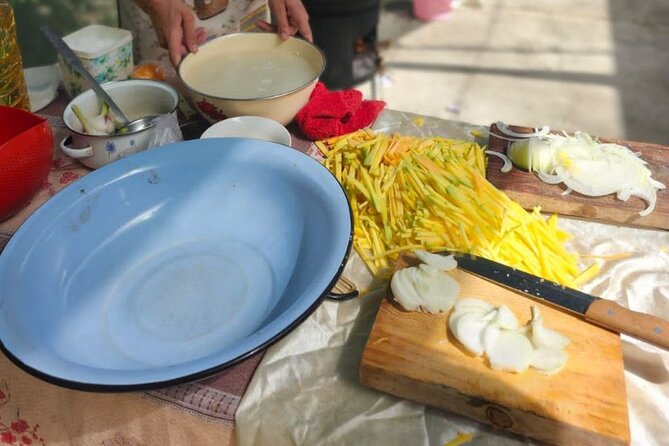
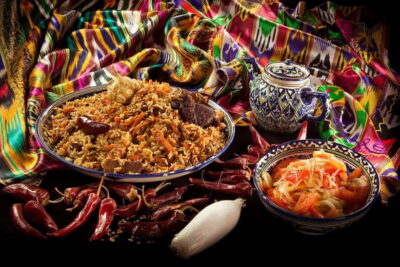
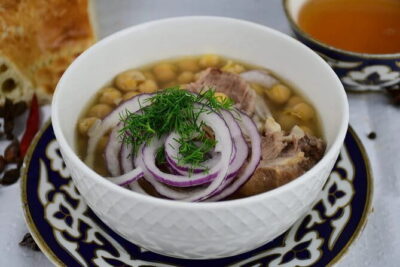
The cooking portion takes place in a village with a local family. The dishes named for the experience include plov, shashlik, and samsa. Other meals described during the experience include manti and dolma, so the exact menu may depend on the host, season, dietary needs, and group arrangements.
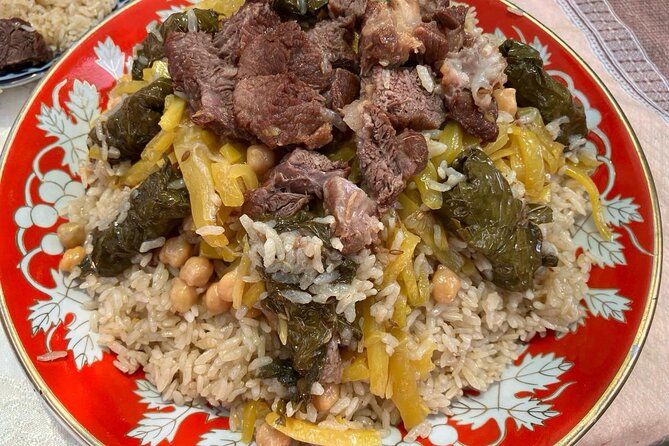
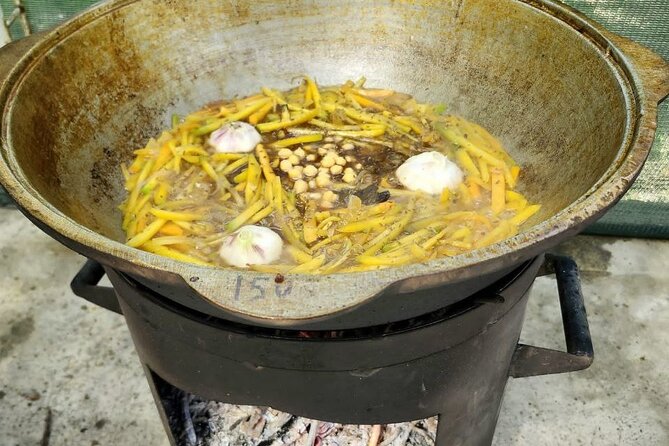
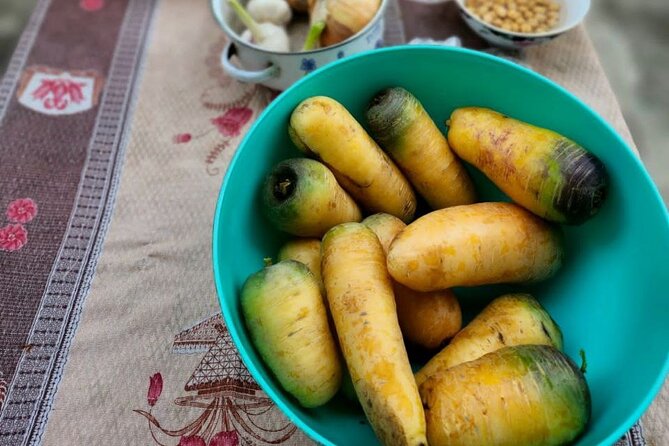
Plov is the headline dish for good reason. This rice-based meal requires attention to timing and preparation, and Gulrux is praised for showing the process step by step. If you want to understand why Uzbek food is more than rice with meat, this is the dish to watch closely.
Samsa brings a different skill to the table. These savory pastries involve dough and filling, making them a natural fit for hands-on work. Yet you should keep your expectations flexible. One account specifically wished for more chances to roll dough, suggesting that the amount of participation can differ from one host or group to another.
Shashlik offers another familiar part of Uzbek cooking, with grilled meat prepared as a traditional meal. The supplied details do not specify the cooking equipment or exact preparation method, so I would not book this expecting a particular type of grill lesson.
If you enjoy learning through conversation, you will likely get more from this than from a quick recipe demonstration. Ask why a dish is prepared in a certain order, who normally cooks it, and when the family serves it. The private setting gives you room to ask without holding up a large group.
Meeting the family behind the meal
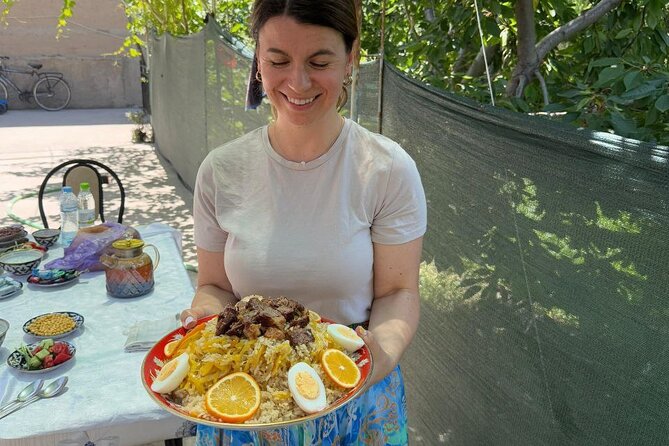
Family interaction is one of the strongest reasons to choose this outing. You may share stories, talk about daily routines, learn about customs, or play chess. These details matter because they move the experience beyond food and toward ordinary life in Samarkand.
The welcome is repeatedly described as warm and hospitable. One account describes spending time with several members of the family, while another praises the host’s English and the conversations about Uzbekistan. Those personal exchanges are likely to be the most memorable part of the day for many people.
The named hosts vary in the supplied accounts. Goli is described as handling hotel pickup and the market visit. Gulrux is praised as a careful plov teacher. Navuq and Navro’z are also connected with friendly family cooking experiences. Since the provider is Navruz, you may want to confirm who will host your date and what language support will be available.
I would also give yourself permission to slow down. This is not built around checking off many sights. A relaxed meal, a chat with family members, or a short game of chess may be the point. The pace can feel too unstructured if you have only one day in Samarkand and want nonstop sightseeing, but it suits anyone who values human contact.
Same stretch of the Silk Road, a different sort of day:
- Samarkand: Historical Monuments Guided Walking Tour
★ 4.8 · 446 reviews - Private Samarkand City Tour With Transportation
★ 5.0 · 149 reviews - A City Tour Of Samarkand: The Pearl Of The East
★ 5.0 · 133 reviews - Full Day Private Tour in Seven Lakes from Samarkand
★ 5.0 · 94 reviews
Konigil paper, oil meal, and pottery
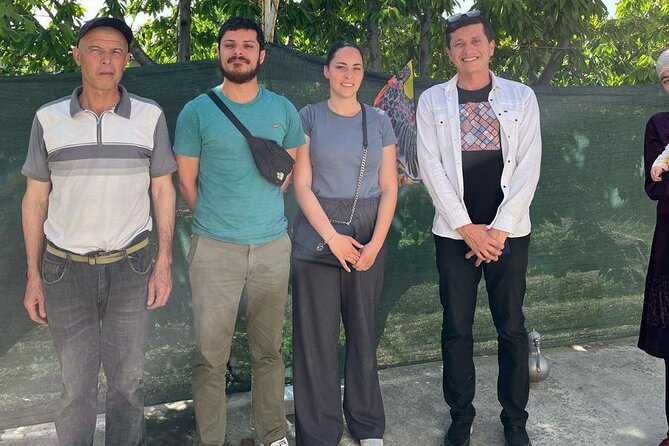
The itinerary also includes Konigil paper factory, oil meal, and pottery workshop visits. These stops add useful local production to the food focus.
Konigil is associated here with paper making, giving you a chance to see a craft connected with Samarkand rather than spending the entire day at the dining table. The supplied information does not specify the exact demonstrations or how long you stay, so treat it as an added cultural stop rather than a full factory tour.
Oil meal and pottery widen the picture again. You can connect what you eat with the work and materials used in the area. One account specifically says the day included learning about paper and oil production, which suggests these visits are explained as part of the local culture, not simply passed on the way to lunch.
The trade-off is time. Five hours is enough for a taste of several activities, but not enough for a long workshop at every stop. If you are mainly booking for cooking, these extra visits should feel like a bonus. If you want detailed craft instruction, ask how much time is planned for each workshop before you reserve.
Timing, pickup, and the five-hour schedule
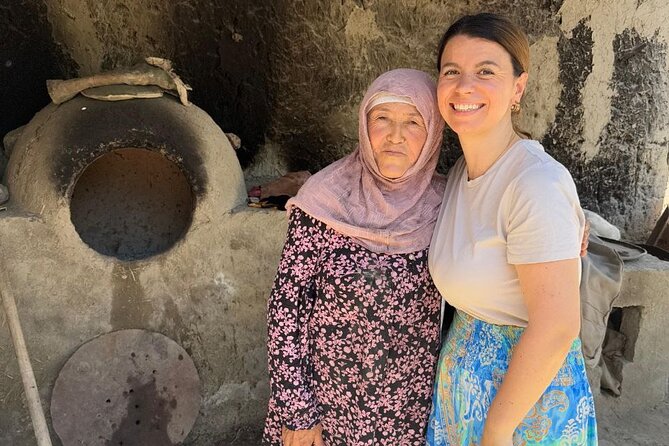
The experience lasts about five hours, with hotel pickup offered. The start time is flexible, a useful feature if you have arrived late in Samarkand, want a quiet morning, or need to fit the activity around monument visits.
The published availability runs from August 2, 2025, through November 25, 2026, with operating hours listed from 9:00 a.m. to 10:00 p.m. from Monday through Sunday. Because the start time is flexible, confirm the exact pickup hour rather than relying only on the broad opening window.
A typical flow is simple:
- Pickup from your hotel
- Visit to a local bazaar
- Drive to the village
- Ingredient preparation and cooking with the family
- Shared food and conversation
- Visits connected with paper, oil meal, and pottery
The order and length of each part may change. That is worth remembering if you have a train, flight, or timed monument entry later in the day. I would leave a generous buffer after the five-hour estimate.
The activity is private, so only your group participates. That makes it a better fit for couples, families, and small groups who want direct conversation. It also makes it easier to discuss vegetarian needs or other requests without managing a large mixed group.
Is $65 a fair price?
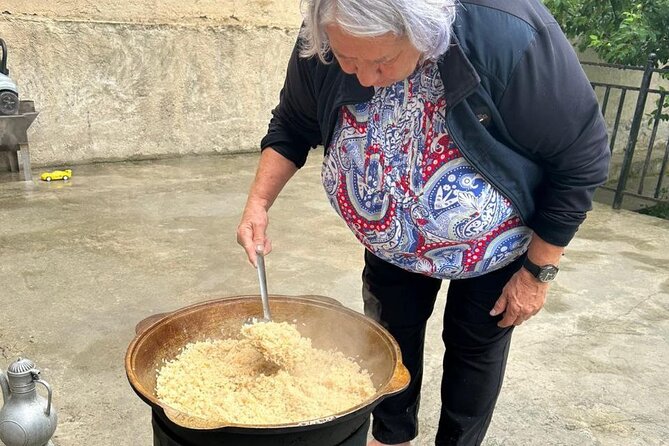
At $65 per person, this is not the cheapest way to eat in Samarkand. You can find an inexpensive local meal for far less. The price makes more sense when you count the hotel pickup, market visit, village transport, cooking instruction, family interaction, meal, and additional cultural stops.
I see the value in the combination. You are paying for access to a private home and for the time of a host who handles transport and interpretation. A cooking class in a restaurant might give you more polished equipment, but it would not necessarily show you how food connects with a family’s routine.
The price is strongest for people who want a personal cultural outing rather than a basic meal. It is less convincing if you only want to learn one recipe quickly. Since the average booking is made nine days ahead, I would reserve early if your schedule is fixed, especially if you need a particular dietary arrangement or host language.
The booking includes mobile ticketing and confirmation at the time of reservation. Service animals are allowed, and the meeting area is near public transportation, although hotel pickup makes that less important for most visitors.
What the cooking pace is really like
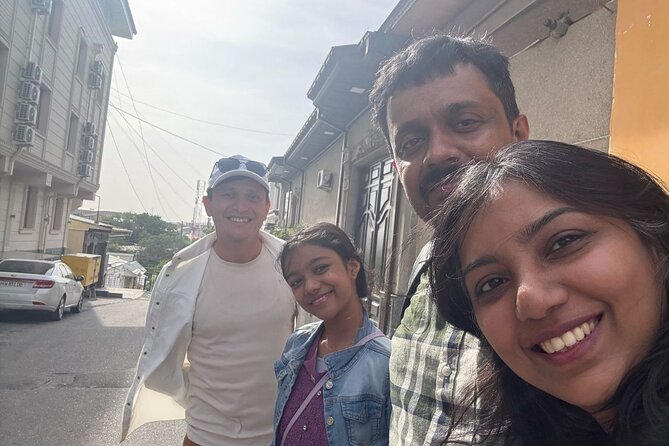
The word class can suggest a highly active session. Here, you should picture a family-led cooking day. You may help prepare ingredients and follow the steps, but the amount of work given to you may depend on the host.
That distinction is important. One account describes the cooking as wonderful but slow, with a wish to do more, including rolling dough and gathering firewood. Another describes a detailed, step-by-step plov lesson. Both can be true because home cooking is flexible.
If you want more hands-on time, say so early. Ask to chop, shape, stir, roll, or prepare ingredients when appropriate. A polite request may help you take a more active role. At the same time, remember that some tasks may be handled by the family for safety, timing, or tradition.
I like this kind of experience best when you treat it as participation in a household meal, not a performance built around you. You may learn as much from watching how family members work together as from the recipe itself.
Who should book this Samarkand experience?
I would recommend it to you if you:
- Want a break from monuments and formal sightseeing
- Enjoy food, markets, and family stories
- Prefer a private activity to a large group tour
- Are curious about Uzbek dishes such as plov, samsa, shashlik, manti, or dolma
- Have a flexible schedule for a five-hour outing
- Want to ask about vegetarian food before the meal
- Like craft and production visits as part of a cultural day
Families may appreciate the informal setting, especially if children enjoy cooking or chess. Couples and small groups also get the most from the private format.
I would hesitate if you need a strict timetable, a fully hands-on cooking school, or a detailed technical workshop at every stop. The experience is warm and personal, but it is not presented as a formal culinary qualification course.
Cancellation is free if you cancel at least 24 hours before the local start time. Inside that window, the payment is not refunded and changes are not accepted.
Should you book it?
I would book this if you want to understand Samarkand through its food and people, not just its famous buildings. The bazaar, village kitchen, family conversation, and local production stops give the day a useful human scale.
Book it with the right expectation: the pace may be unhurried, and your cooking role may vary. Confirm the host, menu, vegetarian needs, pickup hour, and expected level of participation before the day. If those details suit you, $65 buys more than lunch. It buys a close look at how hospitality, cooking, and local work fit together in Samarkand.
FAQ
How long does the cooking experience last?
The experience lasts approximately five hours in total.
Is hotel pickup available?
Yes. Pickup from your hotel is offered.
Is the starting time fixed?
No. The starting time is described as flexible, but you should confirm the exact time when booking.
Is this a private tour?
Yes. Only your group participates in the activity.
What food can I learn to cook?
The experience may include plov, shashlik, and samsa. Accounts also describe dishes such as manti and dolma, but the exact menu can vary.
Does the experience include a market visit?
Yes. The day begins with a visit to a local bazaar or market to see and source ingredients.
Are vegetarian meals possible?
Vegetarian preferences have been accommodated. You should state your requirements clearly when booking.
What additional places may be visited?
The experience includes or may include Konigil paper production, an oil meal stop, and a pottery workshop.
Can I cancel for a full refund?
Yes. You can cancel at least 24 hours before the experience start time for a full refund.
How much does the experience cost?
The listed price is $65 per person.
Craft Workshops in Samarkand
- Private Samarkand Cooking Class with Market Tour & Transfers
★ 5.0 · 14 reviews - Samarkand Local Family Cooking Class and Siyob Bazaar Tour
★ 5.0 · 5 reviews - Plov Cooking Class at Local Uzbek House
★ 5.0 · 5 reviews - Samarkand: Cooking class with local family
★ 5.0 · 3 reviews
Freshly added in Samarkand
- Uzbek wedding ceremony★ 5.0 · 2 reviews
- Wine tour in Samarkand (Baguizagan) English★ 5.0 · 2 reviews
- Samarkand Capital of Amir Timur Private Tour with Transport★ 5.0 · 3 reviews
- Shakhrisabz Private Day Tour from Samarkand★ 5.0 · 4 reviews
- The Golden City of Samarkand: A Self-Guided Audio Tour★ 4.0 · 4 reviews
- Tadjikistan 7 Lakes Day Trip from Samarkand with Lunch★ 5.0 · 5 reviews
- Seven Lakes Panjakent: One-Day Adventure from Samarkand★ 5.0 · 3 reviews
- Ancient and Modern tour in Samarkand with Transport★ 5.0 · 3 reviews
Cooking Classes, compared.
Samarkand: Village Tour with Plov Cooking Class & Home Visit
Read our review →
Tashkent: Uzbek Culture, Food, Crafts & Pottery Masterclass
Read our review →
Tashkent: Cultural Exploration & Pottery Masterclass
Read our review →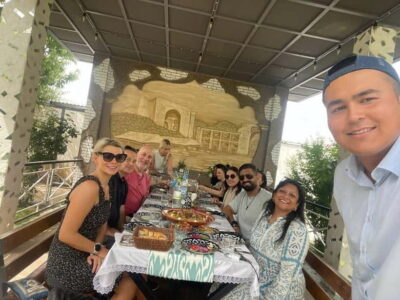
Samarkand: Uzbek Cooking Class in a Village Home
Read our review →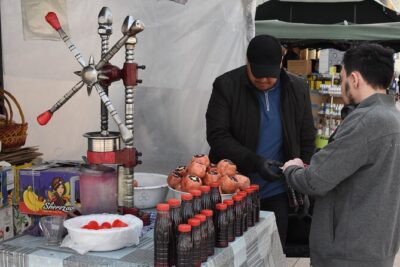
Cooking class in Samarkand with local life experience
Read our review →
Tashkent Walking & Food Tour: Highlights + Local Flavors
Read our review →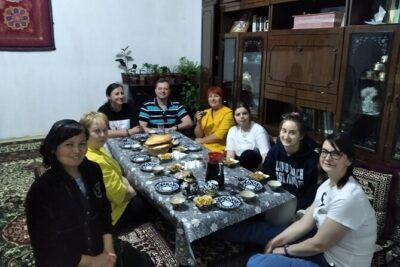
Private Samarkand Cooking Class with Market Tour & Transfers
Read our review →Browse the lists this tour appears in