
Reviewed · COOKING CLASSES
Samarkand: Cooking class with local family
Food opens doors fast. This five-hour Samarkand experience takes you from a local bazaar to a family kitchen, where you help prepare Uzbek dishes and learn how food fits into daily life. The cooking is only part of the appeal. You also spend time with Navruz, Guli, and their family, then visit traditional craft sites outside the kitchen.
I like the personal setting and the chance to cook from scratch instead of simply sitting down to a prepared meal. I also like the mix of food, family conversation, and local workshops, which gives the outing more range than a standard cooking class. The main consideration is timing: five hours can feel full if you prefer a slow meal, long bazaar visit, or extended craft demonstrations.
- A real family kitchen: Prepare Uzbek food in a private home with the family, rather than in a formal cooking school.
- Bazaar shopping with a purpose: See local ingredients and market life before using food in the kitchen.
- Plov, shashlik, and samsa: Learn to prepare three well-known Uzbek dishes, with lunch included.
- Personal hosts: Navruz explains Uzbek customs and history, while Guli makes sure instructions are clear.
- Craft stops beyond cooking: Visit Konigil paper production, an oil meal workshop, and a pottery workshop.
- Private transport and guide: An air-conditioned vehicle and language support make the five-hour outing practical in Samarkand’s region.
In This Review
- Starting at Samarkand’s Local Bazaar
- Cooking Plov, Shashlik, and Samsa at Home
- Meeting Navruz, Guli, and the Family
- Konigil Paper Production and Samarkand Craft Traditions
- What Five Hours Feels Like
- Is the $65 Price Good Value?
- Who Will Like This Samarkand Experience?
- Booking Advice for a Warm, Food-Focused Day
- Should You Book This Tour?
- FAQ
- How long does the Samarkand cooking experience last?
- What food will I cook?
- Is lunch included?
- Is this a private tour?
- Which languages are available?
- What clothing and items are not allowed?
Starting at Samarkand’s Local Bazaar
The day begins at a local bazaar, where the experience shifts quickly from sightseeing to ordinary city life. You can expect rows of food stalls, vendors handling produce, and the steady activity of people buying what they need for home cooking.
This is not just a shopping stop. The bazaar gives you a useful introduction to the ingredients and habits behind Uzbek food. You see what is being sold before you learn how it becomes lunch, which makes the later cooking session easier to understand.
The market is also a good place to watch how people interact. Your guide can help with conversation and explain local customs, while you take in the sounds, colors, and pace of a working market. That human contact is one of the strongest parts of the experience.
The exact bazaar route and shopping list are not specified, so you should not expect a fixed lesson on every ingredient. Still, the stop gives context that a kitchen-only class cannot provide. If you enjoy food markets, bring a little patience and pay attention to the everyday details rather than rushing from stall to stall.
Cooking Plov, Shashlik, and Samsa at Home
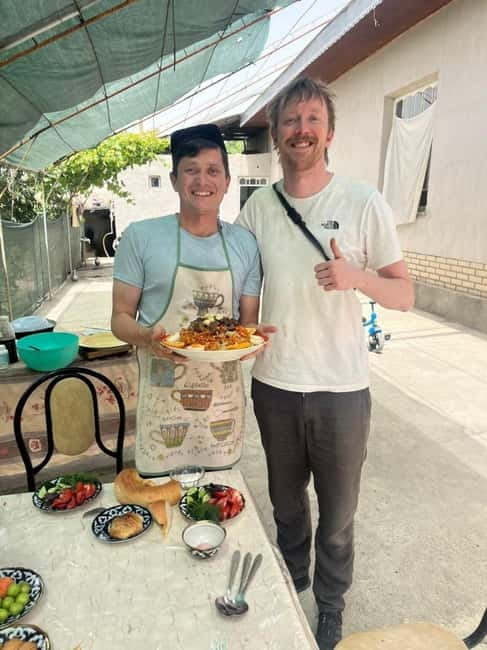
After the bazaar, you go to the home of a local family. This is where the tour becomes more personal. You roll up your sleeves and help prepare dishes such as plov, shashlik, and samsa from the beginning.
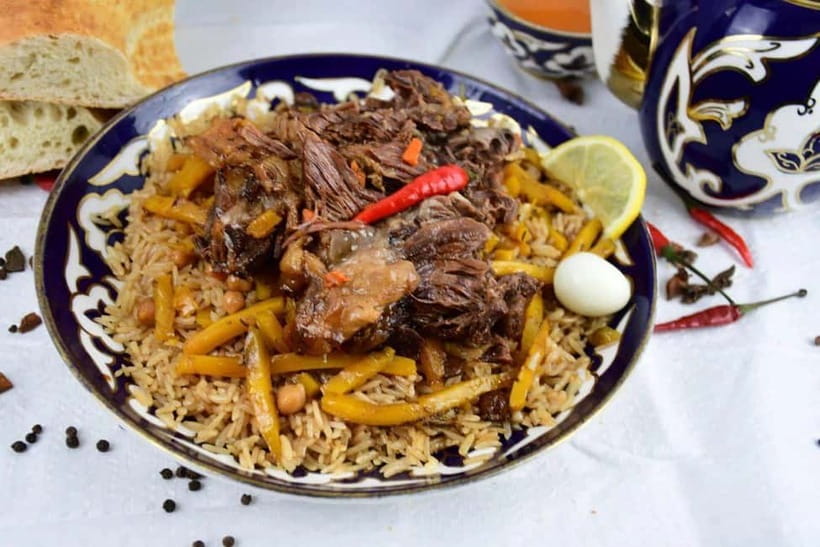
Plov is the dish most closely linked with the idea of Uzbek home cooking. It brings rice, meat, and other ingredients together in a shared meal, and the preparation offers a window into how food can carry family customs from one generation to the next. You are not just learning a recipe. You are seeing how a familiar dish is made in a household setting.
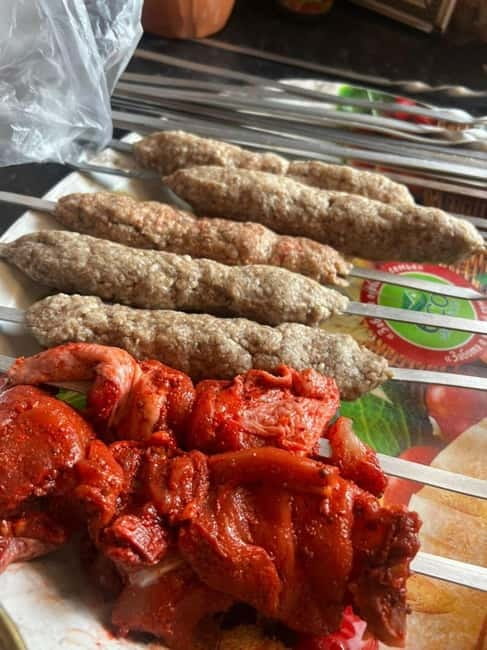
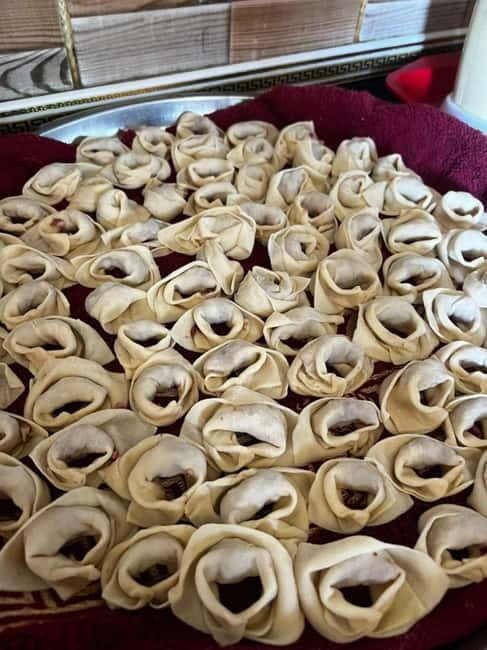
Shashlik gives the meal a different character, with grilled meat prepared as part of the cooking session. Samsa, a savory pastry, adds another useful lesson because it shows the range of Uzbek cooking beyond rice dishes. The combination makes the class feel like a small introduction to the country’s table rather than a single-recipe demonstration.
The experience is hands-on, but the available details do not specify the precise menu, cooking equipment, or how much time you spend on each dish. If you have dietary restrictions, ask before booking. The stated menu includes meat, and no vegetarian or allergy-adapted option is promised.
Lunch is included, so you get to eat the food you help prepare. That matters. A meal shared with the family gives the class a natural ending and lets you judge the results of your work without hurrying straight back to a sightseeing schedule.
More Cooking Classes in Samarkand
- Samarkand: Village Tour with Plov Cooking Class & Home Visit
★ 5.0 · 29 reviews - Samarkand: Uzbek Cooking Class in a Village Home
★ 5.0 · 22 reviews - Cooking class in Samarkand with local life experience
★ 5.0 · 19 reviews
Meeting Navruz, Guli, and the Family
The family interaction is the heart of the outing. Navruz hosts the experience and brings a strong interest in the customs and history of Uzbekistan. Guli takes particular care to explain the cooking clearly, which is helpful if you are unfamiliar with the ingredients or methods.
You may spend time talking about daily routines, local traditions, and family life. There may also be a chance to play chess, a small detail that captures the relaxed character of a home visit better than another formal monument stop would.
Navruz and his wife welcome you into their home along with his parents. That gives the visit a wider family feel, and it helps explain why the experience has been praised for warmth rather than only for food. You are meeting people across generations, not simply attending a demonstration led by a professional chef.
Language options include English, Korean, Russian, Uzbek, and Tajik. That is a strong practical feature for a private tour, especially when the class depends on conversation and clear instructions. Still, language availability can depend on the guide assigned to your date, so confirm your preferred language when arranging the tour.
The family setting also requires good manners. Dress modestly, avoid tight clothing and short skirts, and treat the home as you would any private household. Alcohol and drugs are not allowed, and alcoholic drinks may not be taken in the vehicle.
Konigil Paper Production and Samarkand Craft Traditions
The day includes more than food. You also visit the Konigil paper factory, an oil meal workshop, and a pottery workshop. These stops show how practical skills and small-scale production remain part of the area’s cultural life.
The paper factory is especially interesting because the site is associated with paper production dating back to the first century. That detail gives the visit historical weight without turning it into a long lecture. You can connect the paper-making process with Samarkand’s place on old trade routes and its role as a center of craft and exchange.
One of the stops may also include a famous rug-making workshop where the rugs are made by hand. The supplied plan specifically names the paper factory, oil meal, and pottery workshop, while the rug workshop appears in the experience details from the day itself. Because the exact order and selection of craft stops are not explained, ask your guide what will be included when the tour begins.
These visits are best viewed as cultural additions rather than full workshops. The available information does not promise that you will make paper, shape pottery, or weave a rug yourself. You will likely learn by watching and listening, so the value depends partly on your interest in local production.
The craft stops also make sense after the family visit. You first see how food and hospitality work in a home, then look at traditional skills practiced in workshops. That broader mix helps the day feel connected to Samarkand’s living culture rather than limited to a cooking lesson.
What Five Hours Feels Like
Five hours is long enough to include the bazaar, cooking, lunch, family conversation, and several additional visits. It is also short enough to fit beside a morning or afternoon sightseeing plan, depending on the starting time available for your date.
The pace will probably feel active. You move between a market, home, vehicle, and workshops, so this is not a lazy half-day spent entirely at the table. If you want a long cooking lesson with detailed instruction on every technique, the extra stops may reduce kitchen time.
On the other hand, the varied format is useful if you want more than a recipe. You can see ingredients in their market setting, prepare them with a family, and then visit craft sites that add local context. I would choose this format over a cooking class held only in a restaurant or studio.
Transportation is provided in an air-conditioned vehicle. That is welcome for a regional outing, especially when the day includes several stops. The experience is a private group, so you avoid being placed with a large mixed party and should have more room to ask questions or adjust the conversation to your interests.
Exact pickup details, start times, and the length of each stop are not provided. Check availability before booking and keep some flexibility around the five-hour block. The family meal may also take on its own pace, which is part of its charm but not ideal if you need to leave at a precise minute.
Same stretch of the Silk Road, a different sort of day:
- Samarkand: Historical Monuments Guided Walking Tour
★ 4.8 · 446 reviews - Private Samarkand City Tour With Transportation
★ 5.0 · 149 reviews - A City Tour Of Samarkand: The Pearl Of The East
★ 5.0 · 133 reviews - Full Day Private Tour in Seven Lakes from Samarkand
★ 5.0 · 94 reviews
Is the $65 Price Good Value?
At $65 per person, this experience offers more than a standard meal. The price includes an air-conditioned vehicle, bottled water, lunch, a live guide, the bazaar visit, cooking with a family, and several cultural stops.
I see the strongest value in the private format. You are paying for access to a household and personal instruction, not just ingredients and a seat at a cooking counter. The chance to meet Navruz, Guli, and their family gives the day a human element that is difficult to reproduce independently.
The value is also stronger for someone who would otherwise pay separately for transport and craft visits. If you already have a car, a market guide, and a cooking class arranged, the price may feel less compelling. For most visitors building a first Samarkand itinerary, combining these pieces in five hours is convenient.
Lunch and bottled water are included, but workshop entry details are not broken out. Ask what fees are covered at each craft stop, especially if you are interested in buying paper, pottery, rugs, or other products. Purchases are not stated as included, so plan to pay separately if you want souvenirs.
The small number of published ratings is worth keeping in mind. The score is perfect at 5 out of 5, and the praise centers on the personal welcome, clear cooking help, family affection, and extra craft visits. That is encouraging, but it is still a limited sample, so I would focus on whether the format matches your interests rather than relying on the number alone.
Who Will Like This Samarkand Experience?
I would recommend this tour to you if you want direct contact with local people and prefer a flexible cultural day over a formal sightseeing circuit. It suits couples, families, and small private groups that enjoy cooking, conversation, and traditional crafts.
It is also a good choice if you are curious about Uzbek home life. Navruz’s family setting offers more than a guide’s explanation from the front of a bus. You can ask about customs, daily routines, and food while sitting in the place where those habits actually happen.
The experience may be less suitable if you want a strict culinary course. You are not promised a professional kitchen, a printed recipe book, or a detailed lesson in every technique. It may also be a poor fit for anyone who cannot eat the meat-based dishes named in the plan, unless the provider confirms alternatives in advance.
Dress is important. Short skirts and tight clothing are not allowed, and modest clothing is the sensible choice for entering a family home. Red wine, alcohol, drugs, nudity, and alcohol in the vehicle are specifically prohibited.
The tour offers live guidance in English, Korean, Russian, Uzbek, and Tajik. That broad language range makes it easier to communicate, but you should request the language you need before confirming your place.
Booking Advice for a Warm, Food-Focused Day
You can cancel up to 24 hours before the activity for a full refund, and the reserve-now, pay-later option keeps your plans flexible. Those terms are useful if your Samarkand schedule is still changing.
I would book this early if meeting a family is a priority, since the private format depends on a host household rather than a large class. Before paying, confirm the starting time, language, menu, pickup arrangement, and which craft workshops are scheduled for your date.
Come ready to participate. The best part is not simply eating plov at the end. It is helping prepare food, asking questions, watching how the family works together, and allowing enough time for conversation.
Should You Book This Tour?
Book it if you want a personal introduction to Samarkand through food, family, and working crafts. The bazaar, home cooking, lunch, private transport, and workshop visits make $65 a fair price for a five-hour outing, especially if you value local contact more than polished presentation.
Skip it if you need a highly structured cooking school, guaranteed dietary substitutions, or a full day focused only on food. For everyone else, this is a thoughtful way to see a more ordinary side of Samarkand, with Navruz and Guli adding the personal touch that makes the experience memorable.
FAQ
How long does the Samarkand cooking experience last?
The experience lasts five hours. Starting times depend on availability for your chosen date.
What food will I cook?
The cooking session includes traditional Uzbek dishes such as plov, shashlik, and samsa. The exact menu and any substitutions are not specified.
Is lunch included?
Yes. Lunch and bottled water are included in the activity.
Is this a private tour?
Yes. The experience is offered for a private group.
Which languages are available?
Live guidance is available in English, Korean, Russian, Uzbek, and Tajik.
What clothing and items are not allowed?
Short skirts, tight clothing, red wine, alcohol and drugs, nudity, and alcoholic drinks in the vehicle are not allowed.
Craft Workshops in Samarkand
- Private Samarkand Cooking Class with Market Tour & Transfers
★ 5.0 · 14 reviews - Cooking Class in the Village with Local Family in Samarkand
★ 5.0 · 11 reviews - Samarkand Local Family Cooking Class and Siyob Bazaar Tour
★ 5.0 · 5 reviews - Plov Cooking Class at Local Uzbek House
★ 5.0 · 5 reviews
Freshly added in Samarkand
- Uzbek wedding ceremony★ 5.0 · 2 reviews
- Wine tour in Samarkand (Baguizagan) English★ 5.0 · 2 reviews
- Samarkand Capital of Amir Timur Private Tour with Transport★ 5.0 · 3 reviews
- Shakhrisabz Private Day Tour from Samarkand★ 5.0 · 4 reviews
- Seven Lakes Panjakent: One-Day Adventure from Samarkand★ 5.0 · 3 reviews
- The Golden City of Samarkand: A Self-Guided Audio Tour★ 4.0 · 4 reviews
- Tadjikistan 7 Lakes Day Trip from Samarkand with Lunch★ 5.0 · 5 reviews
- Ancient and Modern tour in Samarkand with Transport★ 5.0 · 3 reviews
Cooking Classes, compared.
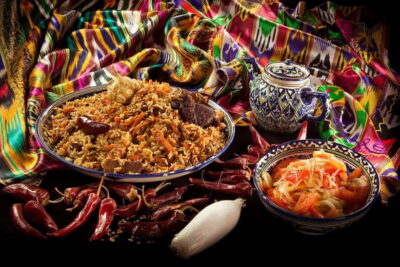
Samarkand: Village Tour with Plov Cooking Class & Home Visit
Read our review →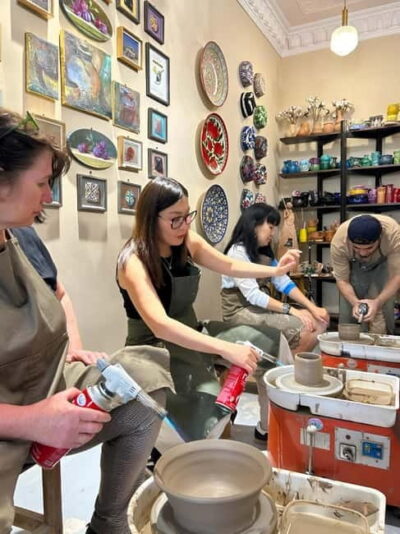
Tashkent: Uzbek Culture, Food, Crafts & Pottery Masterclass
Read our review →
Tashkent: Cultural Exploration & Pottery Masterclass
Read our review →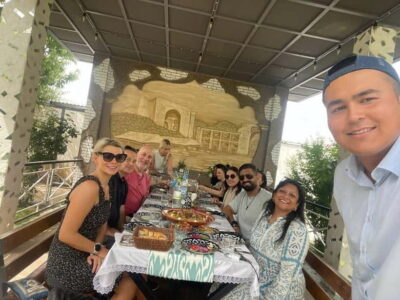
Samarkand: Uzbek Cooking Class in a Village Home
Read our review →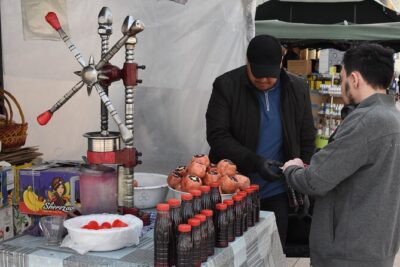
Cooking class in Samarkand with local life experience
Read our review →
Tashkent Walking & Food Tour: Highlights + Local Flavors
Read our review →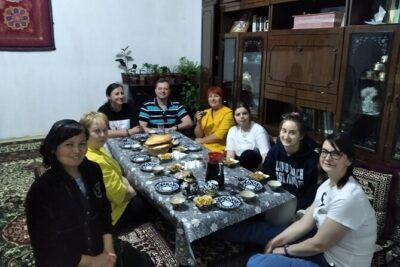
Private Samarkand Cooking Class with Market Tour & Transfers
Read our review →Browse the lists this tour appears in