
Reviewed · SAMARKAND TOURS
Uzbek wedding ceremony
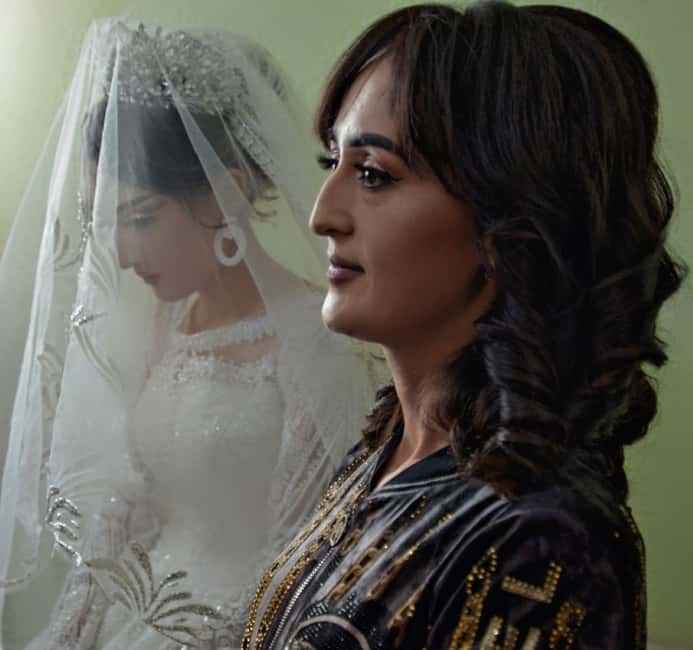
A wedding invitation can reveal a country. This seven-hour experience near Samarkand takes you into Uzbek family life through wedding rituals, village homes, shared meals, music, and dancing. I especially like the chance to visit the bride’s or groom’s home before joining the main celebration, and the small private format, priced at $350 for up to three people, gives you a personal guide and transport rather than a large sightseeing group.
I also like that English-speaking guides such as Sunnat, Yodgor, and Shodiyor have helped explain the meaning behind the customs instead of leaving you to watch from the side. The main consideration is food: the meal is generous and central to the day, but this experience is not suitable for people with food allergies. You should also be comfortable entering a family celebration where you may be the only foreign visitor.
In This Review
- Key points about the wedding day
- Why an Uzbek wedding is a special cultural experience
- Visiting the bride’s or groom’s home
- Understanding the nine-course ceremony
- Moving to the main reception hall
- What you will eat during the feast
- Dancing, speeches, and joining the celebration
- The guides make the difference
- Is $350 for up to three people good value?
- Timing, transport, and practical planning
- Who will enjoy this experience most?
- Should you book the Uzbek wedding ceremony?
- FAQ
- Where does the Uzbek wedding ceremony take place?
- How long does the experience last?
- How much does the experience cost?
- What is included in the price?
- Is the guide available in English?
- Is the experience private?
- What food will be served?
- Can I take photographs?
- Are drones allowed?
Key points about the wedding day
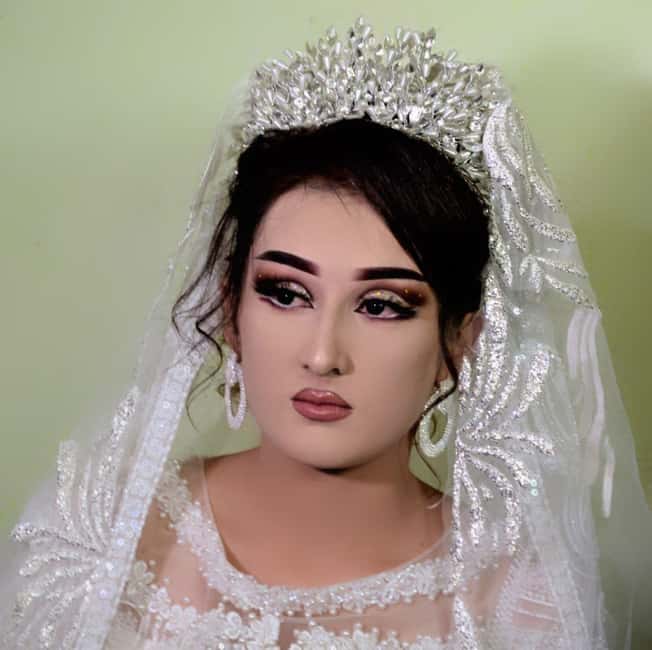
- Village family visits come first: You visit the home of the bride or groom and see wedding customs in a personal setting.
- The nine-course ceremony needs explanation: Your guide explains what the stages mean and how each part fits Uzbek wedding tradition.
- The reception may seat hundreds: One confirmed outing ended in a hall for about 500 people, with the small international party seated among local families.
- Food is a major part of the experience: Expect pilaf, snacks, cold cuts, pastries, fruit, and other dishes served during the feast.
- Your guide translates social moments: English guidance helps you follow speeches, rituals, invitations to dance, and the meaning of customs.
- You join a private booking: The $350 rate covers a group of up to three, with transport, a guide, and meals included.
Why an Uzbek wedding is a special cultural experience
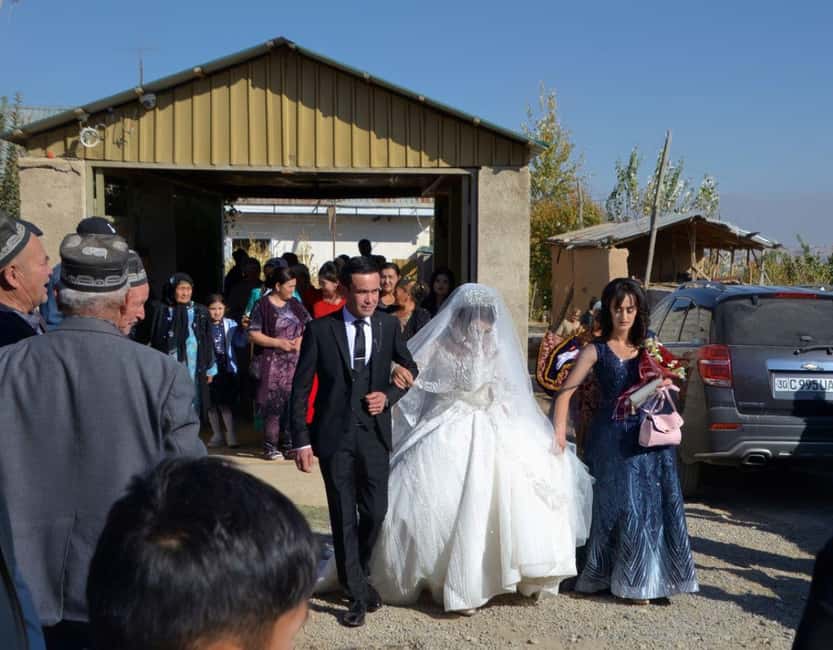
Samarkand is famous for grand monuments, but a wedding shows you another side of the region. Here, culture is not displayed behind glass or explained on a museum panel. It is carried out by families, neighbors, musicians, cooks, and relatives who have their own roles in the day.
An Uzbek wedding is one of the country’s largest family celebrations. It follows old customs and places strong importance on family, ancestry, hospitality, and marriage. That gives this experience more weight than a standard meal or dance performance. You are not simply watching a staged show. You are being welcomed into a real celebration, with all the movement and social rules that come with it.
I like this kind of cultural encounter because it gives you context for things you may notice elsewhere in Uzbekistan. The importance of shared food, formal greetings, respect for older relatives, and large family gatherings becomes easier to understand after you have seen these values in action.
The experience also gives you a chance to meet people outside the main tourist route. The villages near Samarkand offer a view of ordinary local life that you will not get from the city’s famous squares and tiled buildings.
Other Samarkand trips travellers line up with this one:
- Samarkand: Historical Monuments Guided Walking Tour
★ 4.8 · 446 reviews - Private Samarkand City Tour With Transportation
★ 5.0 · 149 reviews - A City Tour Of Samarkand: The Pearl Of The East
★ 5.0 · 133 reviews
Visiting the bride’s or groom’s home
The first part of the day takes you to the home of the bride or groom. This is an important change of pace from the main reception. Instead of entering a large hall filled with hundreds of people, you begin in a family setting where the customs are closer and easier to follow.
Your guide introduces you to the family and explains the wedding traditions taking place around you. The exact order can vary, but the experience includes a nine-course ceremony and other wedding rituals. The guide’s role matters here. Without translation and explanation, you might notice the clothing, food, greetings, and formal actions without understanding why they matter.
A confirmed outing included visits to both the groom’s and bride’s homes in a village near Samarkand. That gives you a rare look at village life as well as the wedding itself. It also means you should expect a day with several social settings, not a single fixed venue.
The welcome can be warm and personal. You may be offered food or invited into conversations through your guide. If you bring a small souvenir from your home country for the newlyweds, it can be a thoughtful gesture. The organizers specifically suggest this, though it is optional.
I would keep your approach modest and respectful. You are entering family homes during a major personal event. Ask before taking close-up photographs, and let your guide help you understand when it is appropriate to join a conversation, offer congratulations, or take part in a ritual.
Understanding the nine-course ceremony
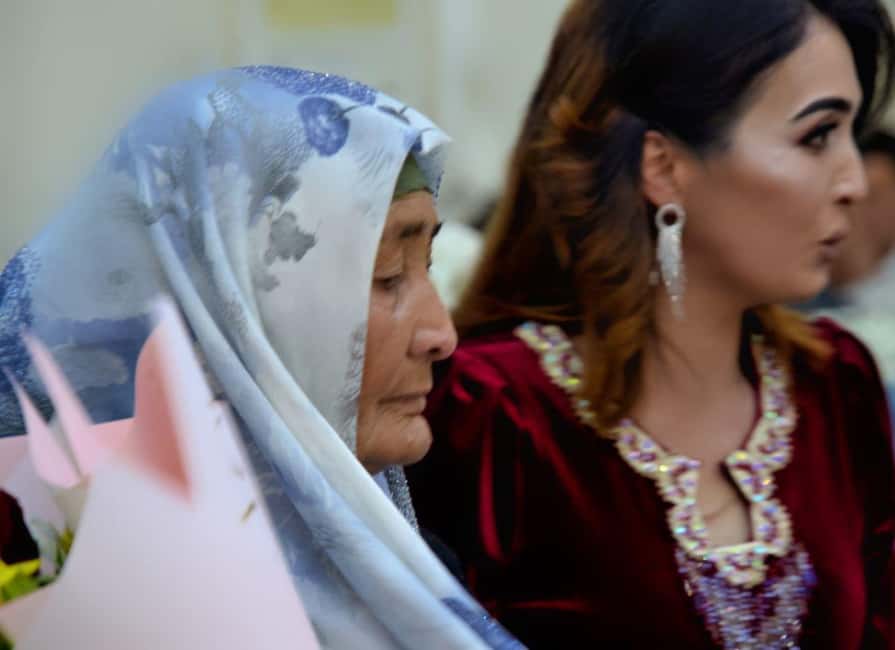
The nine-course ceremony is one of the most interesting details of the day because it shows that the wedding is built from several stages, not just one meal and a party. Your guide explains the steps and their meanings as the event unfolds.
The available information does not provide a fixed menu for each course, so you should not expect a precise nine-item tasting list. Instead, think of it as a traditional sequence of food and ceremony, with hospitality built into the order of the day.
This is where an English-speaking guide adds real value. Sunnat has explained traditions from the Samarkand area as well as customs connected with the Uzbek mountain village where he grew up. Yodgor has explained the meaning of wedding traditions while also handling driving and organization. Shodiyor has provided translation throughout the day for people who wanted to follow every part of the ceremony.
You may not understand every social rule immediately. That is normal. Weddings involve family relationships, local customs, and gestures that make sense to people who grew up with them. A good guide helps you see the pattern without turning the celebration into a lecture.
The practical benefit is simple: you can ask questions while the event is happening. You are less likely to miss an important moment, and you can respond more naturally when someone welcomes you or asks you to participate.
Moving to the main reception hall
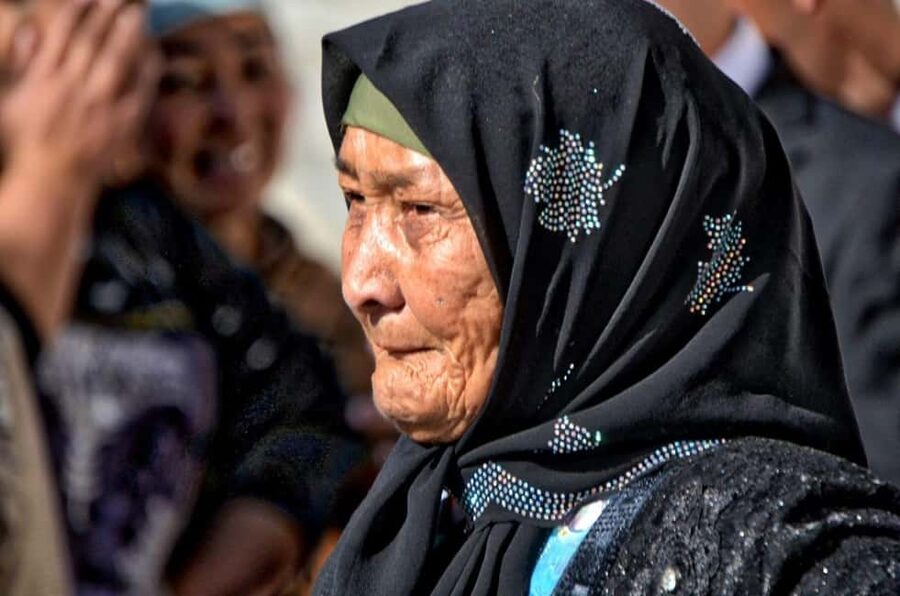
After the home visits and earlier rituals, you go to the main location for the wedding celebration. This is likely to feel more like a large public feast than a small family gathering. One confirmed itinerary ended in a hall with space for about 500 people.
That scale is useful for understanding how important weddings are in Uzbek society. The reception is not a quiet dinner for a few close friends. It is a large social event with many people sharing food, ceremony, conversation, and entertainment.
The private group format does not mean you have a private wedding. It means your booking is limited to your own party of up to three people, while the wedding itself remains a local celebration. This distinction is important. You will have personal support from your guide, but you will also be joining a much larger crowd.
At the hall, you may be seated with local people rather than placed at a separate table for international visitors. That can make the experience feel more natural, though it also means you should be ready for attention and interaction. One person taking part in the experience was even asked to give a speech at the reception.
You should not assume that every person will be asked to speak or perform. Still, it is wise to prepare a few friendly words about where you come from and how much you appreciate the welcome. Your guide can translate if needed.
Same stretch of the Silk Road, a different sort of day:
- Full Day Private Tour in Seven Lakes from Samarkand
★ 5.0 · 94 reviews - Samarkand One Day Tour: one day walking & group tour
★ 4.4 · 87 reviews - Samarkand: Shahrisabz Day Trip with Optional Local Guide
★ 4.9 · 81 reviews - Guide / excursion service in Samarkand
★ 5.0 · 57 reviews
What you will eat during the feast
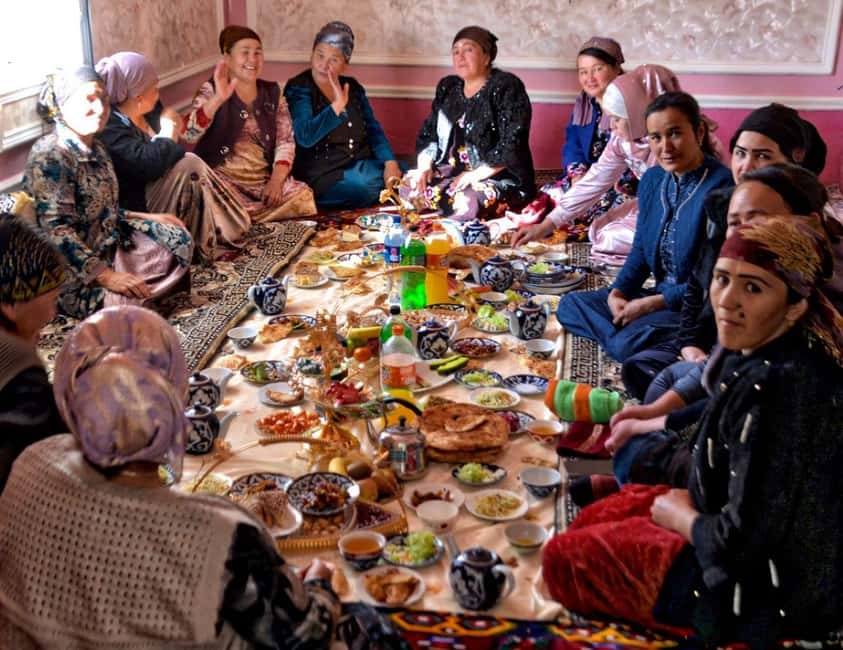
Food is one of the strongest parts of this experience. The table may include Uzbek pilaf, snacks, cold cuts, pastries, fruit, and other dishes. Pilaf, often called plov, is especially fitting for a major celebration and is a central part of Uzbek food culture.
The meal is not presented as a short tasting. You are attending a feast, and the food may arrive as part of several stages of hospitality. You will see how a traditional wedding meal is arranged and how the feast follows its own rules.
I like that the meal is included in the price. It removes one common worry during a long cultural outing, since you do not need to search for lunch while moving between the family homes and reception hall.
The drawback is clear for anyone with dietary restrictions. The experience is specifically listed as unsuitable for people with food allergies. The supplied information does not promise a special menu, allergy accommodation, or a way to avoid cross-contact, so you should not book it unless the provider confirms that your needs can be safely handled.
If you have no serious food concerns, arrive ready to sample a broad spread. Uzbek hospitality often puts food at the center of social contact, and accepting at least a small portion can be a polite way to show appreciation. Your guide can help you identify dishes and explain how the meal is served.
Dancing, speeches, and joining the celebration
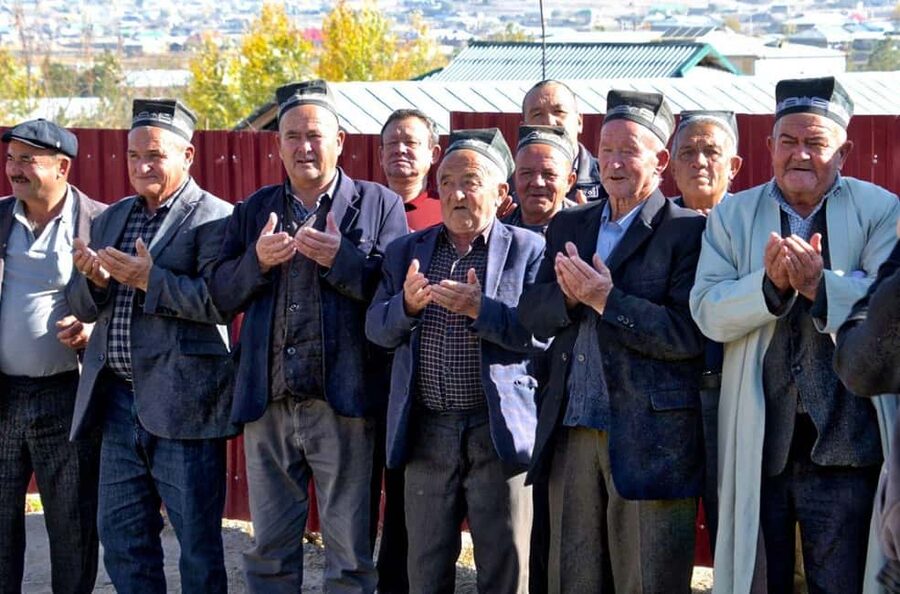
The wedding is not only something you watch. You can dance and have fun with the other people at the reception. Music and dancing give the day an easy social rhythm, especially after the more formal rituals earlier on.
You do not need to be an expert dancer. A willingness to join in matters more than polished steps. If you prefer to observe, that is also reasonable, especially during the first part of the day when you are learning how the ceremony works.
The possibility of giving a speech adds another layer of participation. One confirmed outing included a speech from the international participant, supported by the guide’s translation. This shows how open the celebration can be, but it does not guarantee that every person will be invited to speak.
I would bring a camera, which is the only item specifically recommended. Ask before photographing people in private homes or during sensitive rituals. Drones are not allowed, so leave yours behind.
The guides make the difference
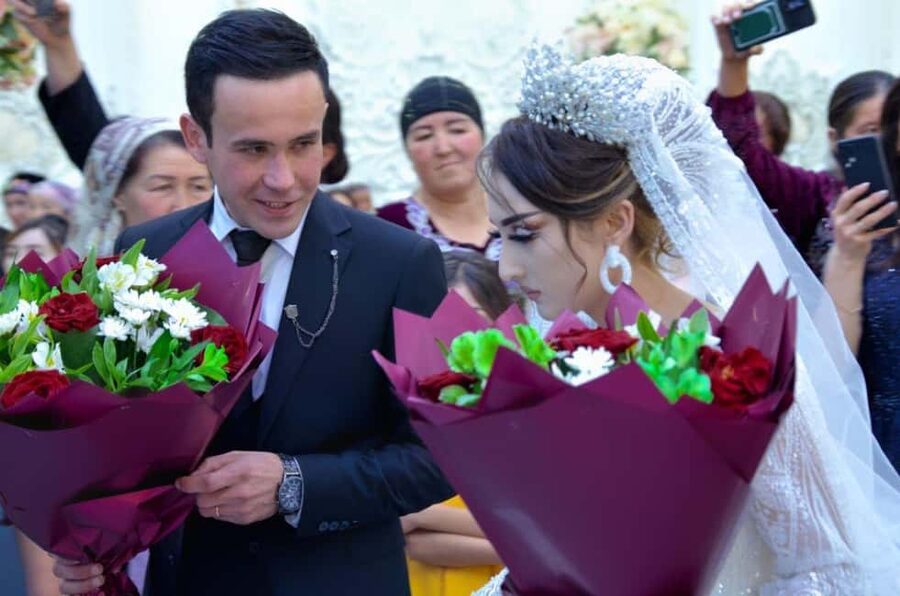
The quality of this day depends heavily on translation and social guidance. Weddings move quickly, and you may need help understanding who is being introduced, what a ritual means, and when it is polite to join a conversation or activity.
The experience is offered with an English-speaking guide. You may be accompanied by the main guide or another member of the local team. Named guides connected with the experience include Sunnat, Yodgor, and Shodiyor.
Sunnat has a personal connection to rural Uzbek life and can explain traditions from both the Samarkand area and a mountain village. Yodgor combines organizing and driving with explanations of the wedding customs. Shodiyor has provided translation and stayed with a participant throughout the day.
That personal support is a major reason I see value in the price. Without a guide, you would still see a large wedding, but you could miss the meaning behind much of what happens. You might also struggle to communicate with family members who do not speak English.
Is $350 for up to three people good value?
The price is $350 per private group of up to three people. That works out to about $117 per person if three people share the booking, before considering the included transport, guide, and meal.
For one person, the cost is less competitive on a per-person basis. For two or three people, it becomes easier to justify because you are paying for a private arrangement rather than a standard group excursion. Transport and a full meal are included, and the outing lasts seven hours.
The strongest value is access. You are not paying only for a ride and a meal. You are gaining entry to family homes and a real wedding, with translation and local introductions. That kind of access can be difficult to arrange independently, particularly when you do not speak Uzbek or know the families involved.
I would compare it with a regular Samarkand city tour in a different way. A sightseeing tour can show you monuments efficiently, but this wedding gives you a much closer view of present-day family customs. If authentic cultural contact is your priority, the cost is reasonable for a group of three.
Timing, transport, and practical planning
The experience lasts seven hours. One confirmed day began with pickup at 9 in the morning, but the official starting time depends on availability and your arrangement with the guide.
The meeting point is agreed with the guide when you order the experience. Hotel pickup and drop-off have been handled for at least one confirmed booking, but you should confirm the exact pickup details before the day.
Transport is included, which matters because you will move between homes and the main reception location. You will not need to arrange separate taxis or work out rural transport on your own.
Wear clothing that is comfortable for a long social day but respectful enough for family homes and a wedding hall. The supplied information does not set a formal dress code, so modest, neat clothing is the safest choice.
Bring your camera and any small gift you wish to give the newlyweds. Do not bring a drone. Most important, bring patience. The day follows local customs rather than a tightly controlled tourist schedule, and social moments may take longer than expected.
Free cancellation is available up to 24 hours before the experience for a full refund. You can also reserve now and pay later, which helps if your Samarkand plans are still changing.
Who will enjoy this experience most?
I would recommend this day to you if you want direct contact with local life and are happy to be socially involved. It suits people who enjoy food, family traditions, translation, music, and unplanned conversations more than those who prefer a quiet, predictable sightseeing route.
It is also a strong choice for couples, friends, or a small family group. The private format gives your party a guide who can focus on your questions and help you take part without feeling lost.
You should think twice if you dislike large gatherings, do not want to eat local food, or prefer to observe from a distance. The reception can include a hall for hundreds of people, dancing, speeches, and invitations to participate.
People with food allergies should not book without first receiving clear confirmation from the provider. The experience is expressly not suitable for them.
Should you book the Uzbek wedding ceremony?
Book this experience if you want to understand Uzbek culture through family life rather than monuments alone. The village home visits, nine-course ceremony, large reception, local food, dancing, and English translation create a full day with real human contact.
The best reason to go is the access. You may be welcomed into both a groom’s and bride’s home, seated with local people at a large reception, and helped through the day by guides such as Sunnat, Yodgor, or Shodiyor. That is far more personal than a short cultural performance.
Skip it if food allergies make the feast unsafe, or if you want firm control over every minute. For everyone else, especially a group of two or three, this is one of the more distinctive ways to spend a day near Samarkand.
FAQ
Where does the Uzbek wedding ceremony take place?
The experience takes place in the Samarkand Region of Uzbekistan, including a village near Samarkand and the main wedding reception location.
How long does the experience last?
The experience lasts seven hours.
How much does the experience cost?
The price is $350 per private group of up to three people.
What is included in the price?
A guide, transport, and a meal are included.
Is the guide available in English?
Yes. The experience includes a live English-speaking guide.
Is the experience private?
Yes. The booking is for a private group of up to three people, although the wedding itself is a local celebration with many people.
What food will be served?
The feast may include pilaf, snacks, cold cuts, pastries, fruit, and other traditional dishes.
Can I take photographs?
You should bring a camera. Ask permission before photographing people in family homes or during particular wedding rituals.
Are drones allowed?
No. Drones are not allowed during the experience.
Freshly added in Samarkand
- Wine tour in Samarkand (Baguizagan) English★ 5.0 · 2 reviews
- Samarkand Capital of Amir Timur Private Tour with Transport★ 5.0 · 3 reviews
- Shakhrisabz Private Day Tour from Samarkand★ 5.0 · 4 reviews
- Seven Lakes Panjakent: One-Day Adventure from Samarkand★ 5.0 · 3 reviews
- The Golden City of Samarkand: A Self-Guided Audio Tour★ 4.0 · 4 reviews
- Tadjikistan 7 Lakes Day Trip from Samarkand with Lunch★ 5.0 · 5 reviews
- Ancient and Modern tour in Samarkand with Transport★ 5.0 · 3 reviews
- “Hidden Paradise: Seven Lakes & Voru Village in 2 Days”★ 5.0 · 2 reviews
Samarkand Tours, compared.
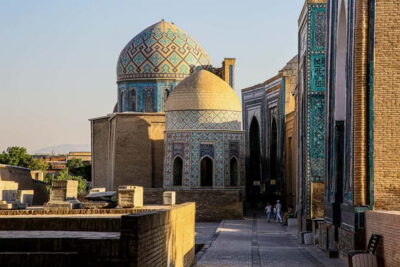
Samarkand: Historical Monuments Guided Walking Tour
Read our review →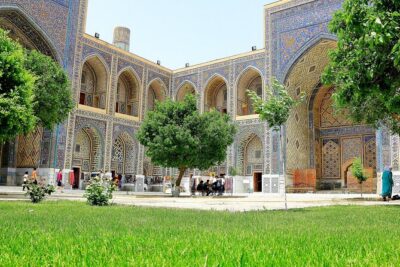
Private Samarkand City Tour With Transportation
Read our review →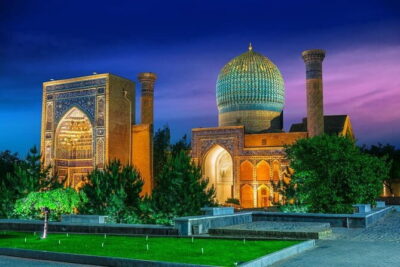
A City Tour Of Samarkand: The Pearl Of The East
Read our review →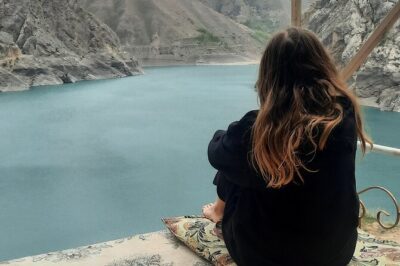
Full Day Private Tour in Seven Lakes from Samarkand
Read our review →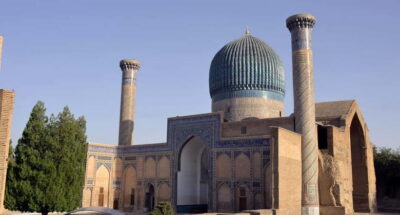
Samarkand One Day Tour: one day walking & group tour
Read our review →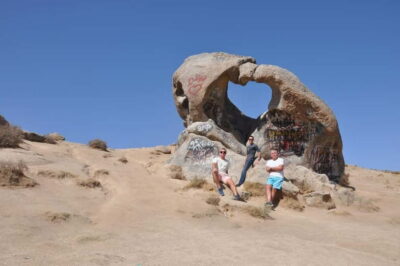
Samarkand: Shahrisabz Day Trip with Optional Local Guide
Read our review →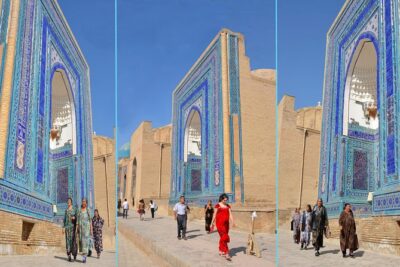
Browse the lists this tour appears in