
Reviewed · COOKING CLASSES
Plov and Samsa Cooking Class in Tashkent
Come hungry, leave with new skills. This three-hour private cooking class gives you a close look at Uzbek home cooking, with hands-on preparation of plov and samsa in Tashkent Province. I like that you do not simply watch a chef at work. You cut the onions, carrots, and meat, clean the rice, fry the ingredients, and help cook and steam the plov yourself.
I also like the natural rhythm of the class. While the plov cooks after water is added, you use the waiting time to prepare samsa, Uzbek pastries filled with minced meat. The main drawback is communication: the instructor can help in Russian and English, but the hostess is described as having only basic English, so detailed culinary questions may require patience.
In This Review
- Key Points To Know Before Booking
- What This Tashkent Cooking Class Is Really About
- Cutting Carrots, Onions, Meat, and Rice
- Building the Plov in the Right Order
- Rolling Ghee-Coated Dough for Samsa
- Eating the Meal You Helped Prepare
- A Home Setting With Personal Hospitality
- Timing, Meeting Point, and Transport
- Who Will Enjoy This Class Most?
- Final Verdict: Book It If You Want To Cook, Not Just Eat
- FAQ
- Where does the cooking class take place?
- How long does the experience last?
- What dishes will I prepare?
- Is the class private?
- Is a meat-free option available?
- Are pick-up and drop-off included?
Key Points To Know Before Booking
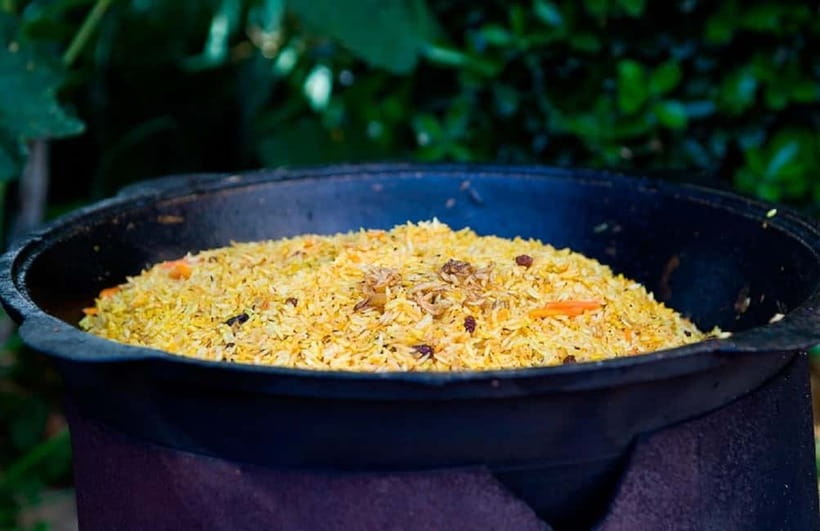
- Two Uzbek staples in one class: Prepare plov, the country’s famous rice dish, and samsa, crisp baked pastry triangles.
- Hands-on kitchen work: You cut onions, carrots, and meat, wash rice, fry ingredients, and take part in the cooking.
- Private price for two: The $160 price covers a private group of up to two people, or $80 each if two people share the booking.
- A home-based setting: The class takes place in the hostess’s home, giving the meal a personal, family-style feel.
- A useful cooking pause: While the plov steams, you prepare samsa instead of sitting around waiting.
- Check communication needs: Russian and English support is available, but the hostess’s English is basic.
What This Tashkent Cooking Class Is Really About
Uzbek food is built around generous portions, careful timing, and a few simple ingredients treated well. This class lets you see that process from the cutting board onward.
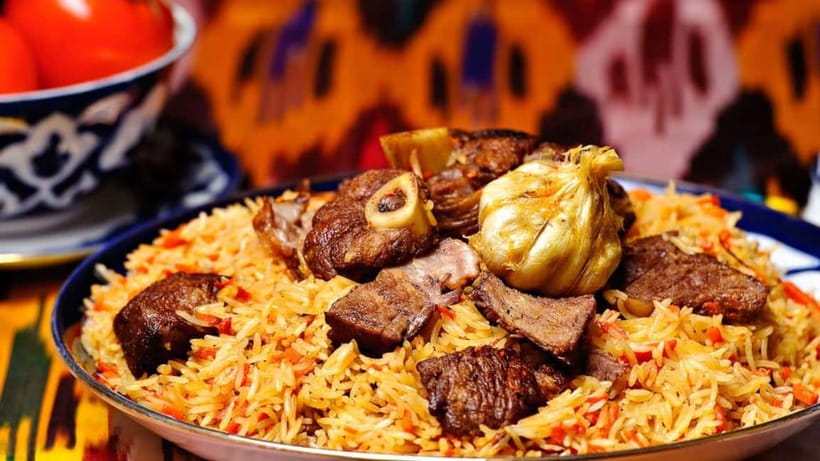
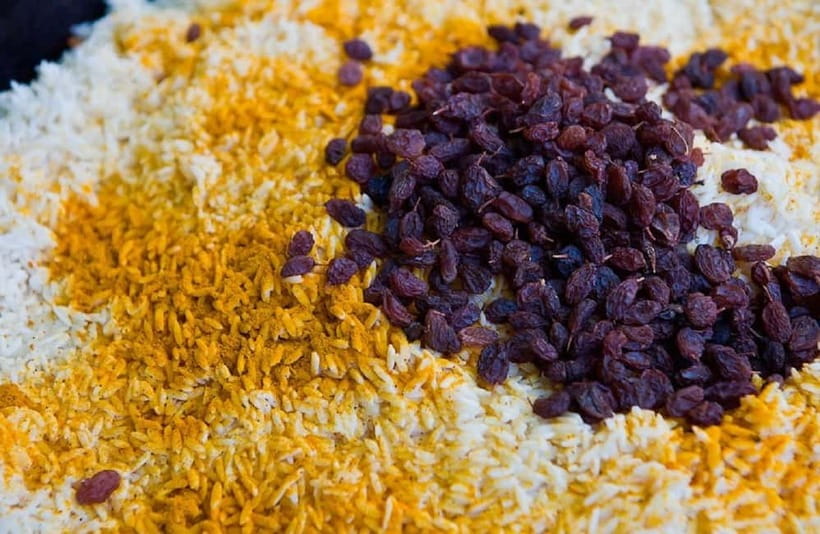
The main dish is palov, also written plov. It combines rice, meat, carrots, onions, garlic, cumin, raisins, and sunflower oil. The cooking method matters as much as the ingredients. You build the dish in stages, then allow it to cook and steam so the flavors come together.
That makes this more useful than a meal where you simply sit down and eat. You get a practical look at how the dish is assembled, and you can ask questions while working. If you have ever wondered why Uzbek plov has such a distinct taste and texture, the answer is partly in the order of cooking and partly in the patience required.
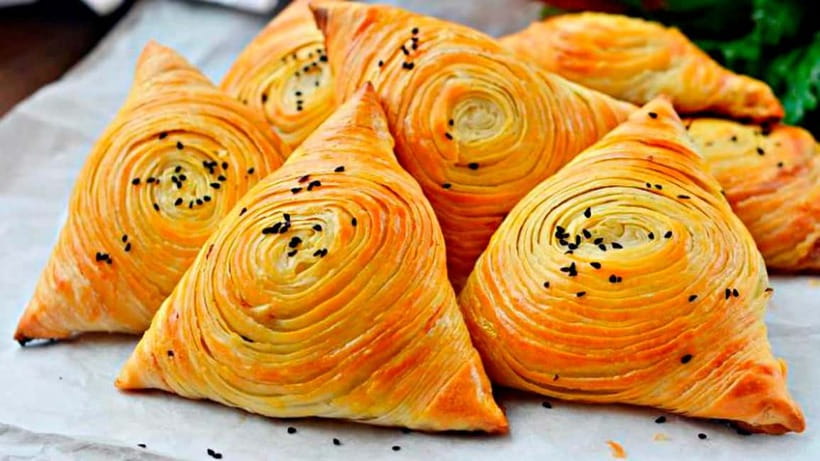
The second dish is samsa, sometimes compared with samosa or samusa. Here, the dough is rolled out, spread with ghee, rolled tightly, divided into portions, and chilled before being rolled again. You then fill the dough with minced meat, fold it into triangles, and bake it.
This gives the class a nice contrast. Plov is a large shared dish cooked in stages, while samsa is a lesson in dough, shaping, and portion control. You are not repeating the same task for three hours.
More Cooking Classes in Tashkent
- Tashkent: Cultural Exploration & Pottery Masterclass
★ 5.0 · 24 reviews - Tashkent: Uzbek Culture, Food, Crafts & Pottery Masterclass
★ 5.0 · 24 reviews - Tashkent Vegan Street Food Tour
★ 5.0 · 22 reviews
Cutting Carrots, Onions, Meat, and Rice
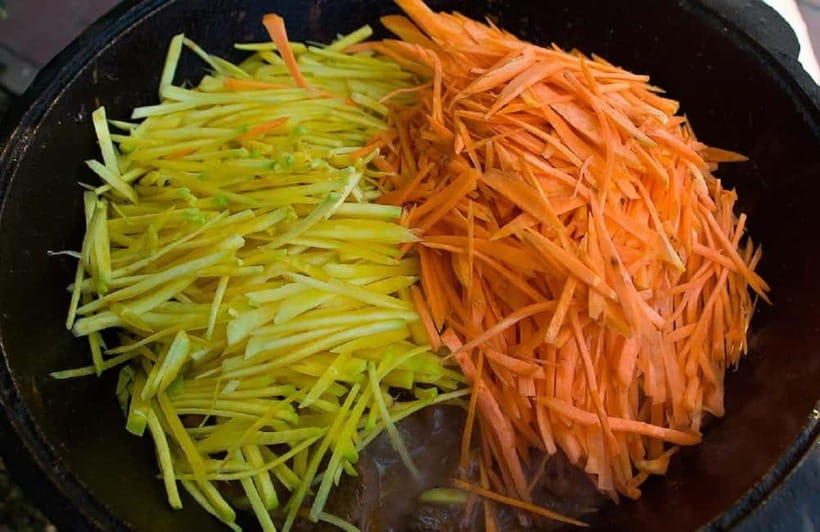
The class begins with preparation. You cut onions, carrots, and meat, with a meat-free option available for vegans. You also clean the rice, an important step for a dish where the grains need to cook properly rather than turn into a sticky mass.
These jobs may sound basic, but they are the part of the class that helps you understand Uzbek cooking. The shape and size of the vegetables affect how they cook, and the rice needs attention before it enters the pot. The instructor and cooking team guide you through the work, so you are not expected to know the local method in advance.
If you are comfortable in the kitchen, you will probably appreciate the chance to handle every stage. If you are not, you still get a manageable introduction because the work is broken into clear tasks.
One point to keep in mind is that the pace may feel less polished than a professional restaurant demonstration. That is part of the home-cooking setting. You are there to participate, not to watch a perfectly choreographed performance.
Building the Plov in the Right Order
Once the ingredients are ready, you fry and cook them as directed. The basic ingredient list is straightforward, but the result depends on how each part is handled.
You work with sunflower oil, onions, carrots, meat, garlic, cumin, raisins, and rice. The meat-free option means you can ask for the dish without meat if that suits your diet. The available information does not specify a separate vegan menu beyond this possibility, so you should explain your dietary needs clearly when booking.
Garlic and cumin give the dish its familiar Uzbek character, while raisins add a small sweet note. The carrots are not merely decoration. They help give plov much of its color and flavor.
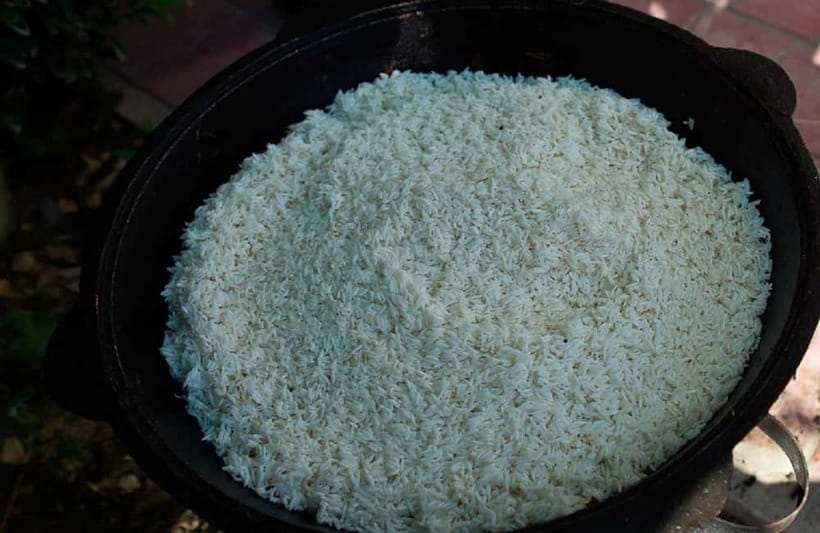
After water is added, the plov needs time to cook and steam. This pause is used for the samsa lesson. That scheduling is smart because you get two dishes without stretching the class beyond its three-hour length.
The cooking team helps you adjust the process so the finished food is enjoyable. You are not left alone with a pot and a vague instruction to hope for the best. At the same time, you should expect to do real kitchen work rather than simply sprinkle herbs over a prepared dish.
Rolling Ghee-Coated Dough for Samsa
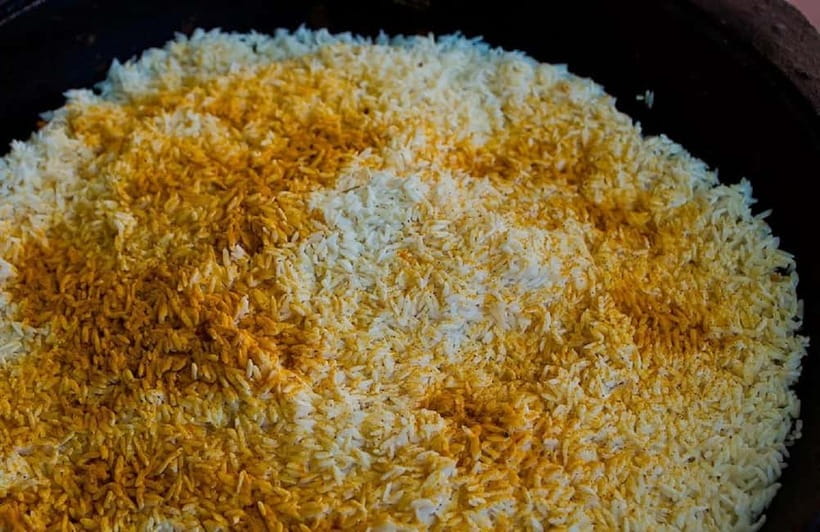
The samsa portion is one of the most distinctive parts of the class. You begin with simple dough, roll it out, and spread clarified butter, or ghee, across the surface.
The dough is then rolled tightly into a log and divided into equal portions. Those pieces are chilled before being rolled out again. This method creates layers in the pastry, giving the baked samsa its flaky texture.
You fill each piece with minced meat and fold it into a triangle before baking. A team member helps you with the shaping and cooking, which is useful because pastry can be less forgiving than it looks.
Samsa is often thought of as a quick snack, but this process shows the work behind it. The chilling step, the even portions, and the folding all matter. You get a short lesson in Uzbek fast food that is more involved than simply buying one from a counter.
The description focuses on minced meat filling. If you need a vegetarian or vegan samsa, ask before booking, since an alternative filling is not specified.
Same stretch of the Silk Road, a different sort of day:
- Best of Tashkent Mountains: Amirsoy, Chimgan & Charvak Trip
★ 4.8 · 567 reviews - Samarkand One Day Tour – Departure From Tashkent
★ 5.0 · 313 reviews - Tashkent City Tour
★ 5.0 · 121 reviews - Shymkent Day Tour from Tashkent
★ 4.6 · 71 reviews
Eating the Meal You Helped Prepare
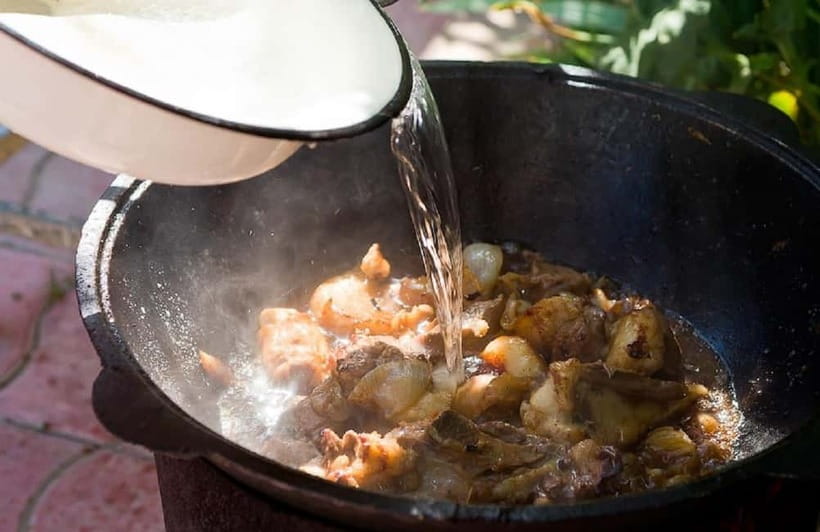
After the samsa is ready, you return to the plov. The class ends with you eating the dishes you prepared, which gives the experience a satisfying finish.
A home meal can also include small extras. One booking account described traditional snacks, desserts, and tea served by the host family, with plenty of food packed to take away. These additions are not presented as guaranteed inclusions, so I would treat them as possible hospitality rather than part of the fixed program.
The shared meal is important because it turns the class into more than a technical lesson. You get to taste the result while the cooking steps are still fresh in your mind. If something worked especially well, you can connect the flavor with the method you just used.
The class is private for up to two people. That is helpful if you want to ask questions, work at your own pace, or cook with a partner without sharing the kitchen with a large group. It also means the $160 cost is best judged as a private experience, not as a per-person group class.
For two people, the effective cost is $80 each. That is not a bargain cooking demonstration, but it includes instruction, ingredients, participation, and the meal. You are paying for privacy and personal attention as much as for the food.
For one person, the same group price applies, making the value less attractive. Solo visitors should decide if a private home lesson is worth the full amount.
A Home Setting With Personal Hospitality
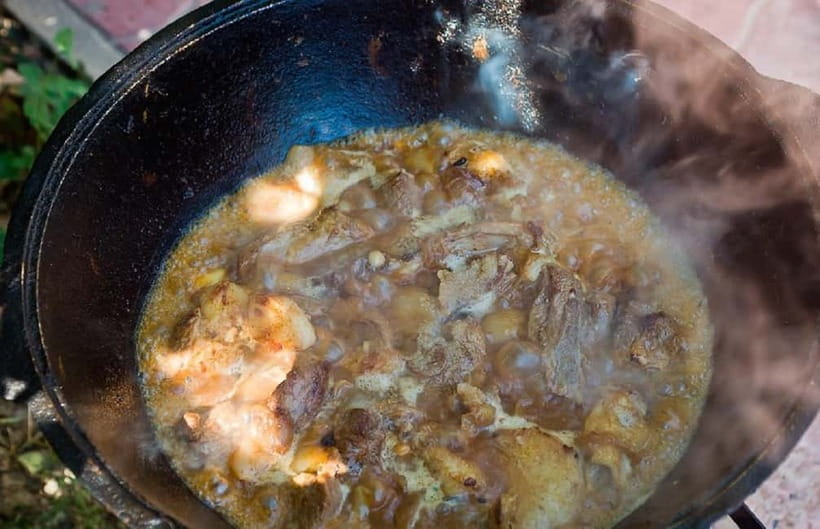
The class takes place in the hostess’s home in Tashkent Province. That setting is a major part of the appeal. You are not only learning recipes. You are seeing how a traditional meal can be prepared and shared in a family environment.
Several strong accounts describe the host family as warm, friendly, and welcoming. The cooking was described as organized and practical, with useful techniques explained patiently. Another account called the experience fun and recommended it even for people who are not serious cooks.
That is good news if your main goal is cultural contact rather than culinary perfection. The host family atmosphere appears to be one of the experience’s strongest features.
Communication needs a little care. The listed languages are Russian and English, but the hostess has basic English. A team member or instructor may provide help, and one account described the English communication as excellent, but you should not assume every conversation will be fluent.
Bring comfortable clothes. Cooking involves chopping, frying, shaping dough, and working around hot food, so this is not the place for your most formal outfit. Alcohol and drugs are not allowed.
The class is listed as wheelchair accessible. Since it takes place in a home, you may still want to confirm any specific access requirements before booking, especially if you need details about doorways, kitchen layout, or seating.
Timing, Meeting Point, and Transport
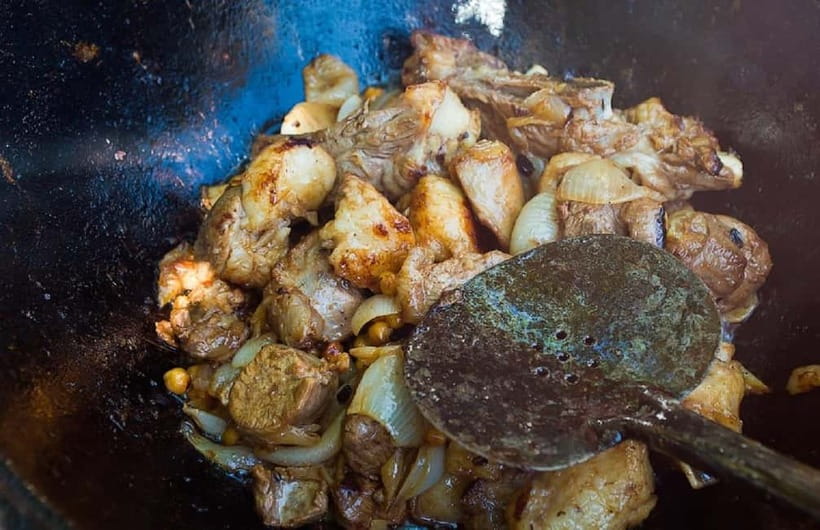
The activity lasts three hours, with starting times based on availability. The exact meeting instructions are provided after booking. That means you should not plan your day around a public landmark until the location details arrive.
Pick-up and drop-off are not included. One person reported that a driver was arranged separately and made the experience easy, but you should not count on transport being part of the standard price. Plan your route to the meeting point and allow extra time if you are unfamiliar with the area.
Because the class involves several cooking stages, arriving late could affect your time with the preparation. The best plan is to confirm the meeting instructions in advance and arrive ready to work.
Cancellation is flexible up to 24 hours before the activity for a full refund, and you can reserve while paying later. Those terms help if your Tashkent schedule is still changing.
There is one serious service concern to consider. One booking account reported a cancellation and a missing refund. That is a single negative account among several highly positive ones, but it is still worth taking seriously. Keep your confirmation and payment records, and clarify the provider’s communication and refund process before your travel date.
Who Will Enjoy This Class Most?
I would recommend this class to couples, friends, and solo cooks who want a private and personal introduction to Uzbek food. It suits people who prefer doing the work themselves rather than watching a chef perform.
It is also a good choice if you want a meal with a local family feel. The snacks, tea, desserts, and possible take-home food add to the sense of hospitality when available, though they should not be treated as guaranteed parts of the program.
Families with older children may also enjoy it if everyone is comfortable handling knives, hot oil, and cooking equipment. The supplied information does not give a minimum age, so ask before booking with young children.
You may want to choose a different activity if you need a highly formal cooking school, precise professional instruction in fluent English, or included transport. The class has a home-based character, and that brings warmth but may also bring a less standardized format.
Vegans can request plov without meat. For other dietary restrictions, especially samsa fillings, ask in advance because only the meat-free plov option is specifically mentioned.
Final Verdict: Book It If You Want To Cook, Not Just Eat
I think this is a strong choice for a private Uzbek food experience in Tashkent. The best parts are clear: you prepare two very different dishes, work through the key steps yourself, and finish by eating the meal in a welcoming home setting.
The $160 price makes the most sense for two people sharing the booking. It is harder to justify for one person unless privacy, personal instruction, and a home meal are especially important to you.
Book it if you want hands-on cooking, local hospitality, and a useful introduction to plov and samsa. Before paying, confirm the meeting point, transport plans, language support, dietary needs, and refund procedure. Those small checks will help you enjoy the class for what it does best: putting you at the kitchen counter, not just at the dining table.
FAQ
Where does the cooking class take place?
The class takes place in Tashkent Province, Uzbekistan, at the hostess’s home. Exact directions are provided after booking.
How long does the experience last?
The cooking class lasts three hours. Starting times depend on availability.
What dishes will I prepare?
You will prepare traditional Uzbek plov, also called palov, and samsa, baked pastry triangles filled with minced meat.
Is the class private?
Yes. It is a private group experience for up to two people.
Is a meat-free option available?
A meat-free version of the plov is possible for vegans. The provided information does not confirm a vegan samsa filling, so ask about that before booking.
Are pick-up and drop-off included?
No. Pick-up and drop-off are not included in the stated program.
Craft Workshops in Tashkent
- Private Traditional Uzbek Cooking Class in a Lovely Tashkent Home
★ 4.5 · 2 reviews - Tashkent Wine Tasting & Ceramics Workshop Experience
★ 5.0 · 2 reviews - Samarkand: Village Tour with Plov Cooking Class & Home Visit
★ 5.0 · 29 reviews - Samarkand: Uzbek Cooking Class in a Village Home
★ 5.0 · 22 reviews
Freshly added in Tashkent
- Uzbek Brews & Views: Tashkent Craft Beer Discovery Tour★ 5.0 · 2 reviews
- Tashkent International Airport (TAS) to Tashkent – Arrival Private Transfer★ 5.0 · 2 reviews
- Uzbekistan Tour – 6 Days 5 Nights★ 5.0 · 4 reviews
- 8-Day Private Tour in Uzbekistan with Pick Up★ 5.0 · 2 reviews
- Tashkent-Samarkand-Bukhara tour-3nights/4 days★ 5.0 · 5 reviews
- Private Intercity Transfer Tashkent – Samarkand – Tashkent★ 3.5 · 3 reviews
- Tashkent Food and Metro Journey★ 5.0 · 4 reviews
- Private Tashkent City Tour★ 5.0 · 3 reviews
Cooking Classes, compared.
Samarkand: Village Tour with Plov Cooking Class & Home Visit
Read our review →
Tashkent: Uzbek Culture, Food, Crafts & Pottery Masterclass
Read our review →
Tashkent: Cultural Exploration & Pottery Masterclass
Read our review →
Samarkand: Uzbek Cooking Class in a Village Home
Read our review →
Cooking class in Samarkand with local life experience
Read our review →
Tashkent Walking & Food Tour: Highlights + Local Flavors
Read our review →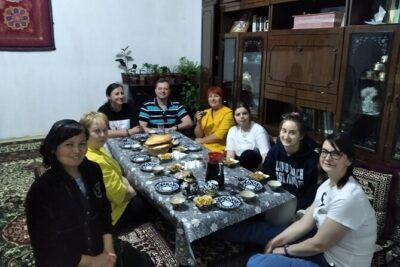
Private Samarkand Cooking Class with Market Tour & Transfers
Read our review →Browse the lists this tour appears in