
Reviewed · ANCIENT FORTRESS TOURS
Tranfer Khiva – Bukhara via Ancient Fortresses
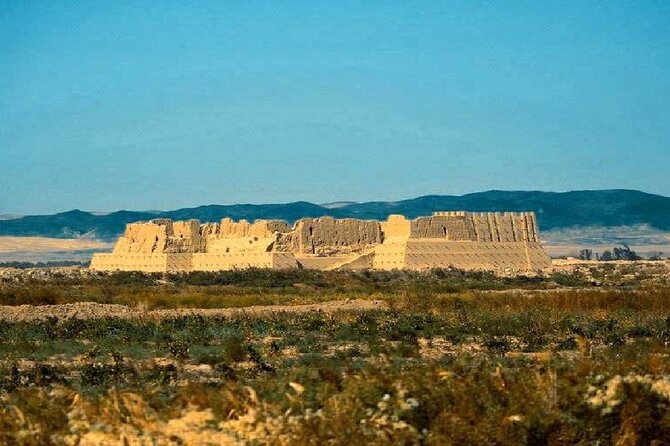
Fortresses make this long transfer worthwhile. This private ride from Khiva to Bukhara turns a necessary travel day into a close look at Toprakkala, Kizilkala, and Ayazkala, three striking remains of the Khorezm Oasis. I like the freedom of a private car, and I like that you can spend as much time as you wish at each fort. The main drawback is the length of the day: nine hours in a car, with long open stretches between sites.
I also like the small touches reported on the route, including a stop at a local fruit market where the melons were especially memorable. English communication can be basic with some drivers, so if detailed guiding matters to you, confirm how much explanation you want before departure.
In This Review
- Key points to know before you book
- Why this route is better than a plain transfer
- Starting at Khiva’s western gate
- Toprakkala, the former capital of Khorezm
- Kizilkala, the Red Fortress on the way
- Ayazkala and the edge of the Kyzylkum Desert
- The Kyzylkum road and lunch stop
- The driver can shape the whole experience
- Is $180 good value for up to three people?
- Who will enjoy this day most?
- Practical preparation for a better day
- Should you book the Khiva to Bukhara fortress transfer?
- FAQ
- How long does the Khiva to Bukhara fortress transfer take?
- Where does pickup take place in Khiva?
- Which fortresses are included?
- Does the tour finish at my hotel in Bukhara?
- Is the vehicle private?
- Are entrance tickets included?
- What languages can the driver speak?
- Can I cancel the booking?
Key points to know before you book
- A useful Khiva to Bukhara transfer: You see three major fortresses instead of spending the whole day simply on the road.
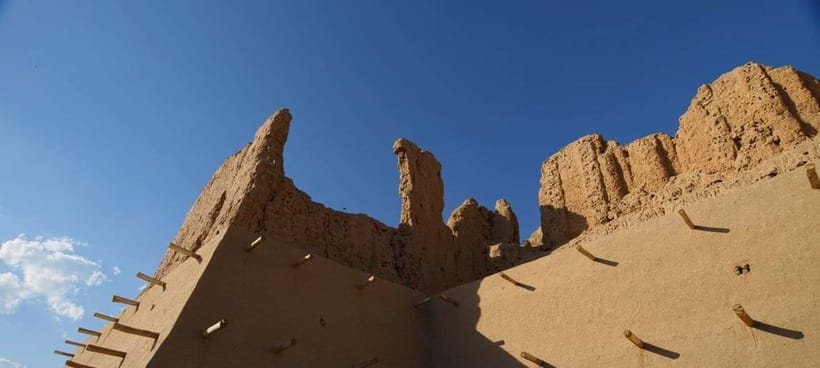
- Toprakkala gives the trip its historical weight: This former capital is linked with early Khorezm statehood, writing, a calendar, and plaster figures.
- Ayazkala is the dramatic stop: Its three fortified sections sit in an exposed part of the Kyzylkum Desert.
- Private travel keeps the day flexible: You can take your time at the forts rather than follow a rigid group schedule.
- The price works best for two or three people: At $180 per group of up to three, the cost per person drops quickly, though entrance fees and personal costs are extra.
- Driver quality matters: Jasur and Bek are specifically praised for being kind, helpful, and careful, while English ability may vary.
Why this route is better than a plain transfer
Khiva and Bukhara are two of Uzbekistan’s essential historic cities, but the road between them can feel like a travel chore. This option gives the journey a clear purpose. You leave Khiva, visit three old desert fortresses, stop for lunch, and arrive at your Bukhara hotel later the same day.
That matters because the forts are not an easy add-on once you have reached Bukhara. They lie in the Khorezm Oasis, well away from the main tourist streets of Khiva. A private transfer combines transport and sightseeing without asking you to return to Khiva or arrange a separate excursion.
The trip is listed at nine hours, so plan for a full day rather than a quick morning outing. The exact balance between driving, walking, lunch, and sightseeing can vary. You have the advantage of a private group, but you still need to be comfortable with a substantial road journey.
The route is:
- Khiva
- Toprakkala
- Kizilkala
- Ayazkala
- Bukhara
The spelling of Kizilkala may also appear as Kyzykkala. It is the same red fortress on this route.
Other desert fortress runs out of Khiva:
- Transfer: Bukhara – Khiva via Ancient Fortresses
★ 4.5 · 101 reviews - Daytrip From Khiva To Ancient Fortresses
★ 4.6 · 60 reviews - Guided Tour To Old Fortresses
★ 5.0 · 25 reviews
Starting at Khiva’s western gate
Pickup is available at Ata Darwaza, the west gate of Ichan Kala, or from your hotel. If you choose a hotel pickup, wait in the lobby five minutes before the scheduled time. That small bit of planning helps, since the day has several stops and delays at the beginning will reduce your time later.
Ichan Kala is Khiva’s walled old town, and Ata Darwaza is an easy meeting point if you are staying inside or near the historic center. If you are carrying luggage for Bukhara, confirm where it will go in the vehicle before leaving. The experience is designed as a transfer, so your bags should travel with you, but it is sensible to make that clear at pickup.
The vehicle is air-conditioned, an important feature in the hot months. The road crosses open country, and shade is limited around the ruins. Comfortable clothing, sturdy shoes, and protection from the sun make the day easier.
The rules say no food or drinks in the vehicle. Bring your own water for the day, but expect to drink it during stops rather than inside the car. This is worth planning carefully, especially in warm weather.
Toprakkala, the former capital of Khorezm
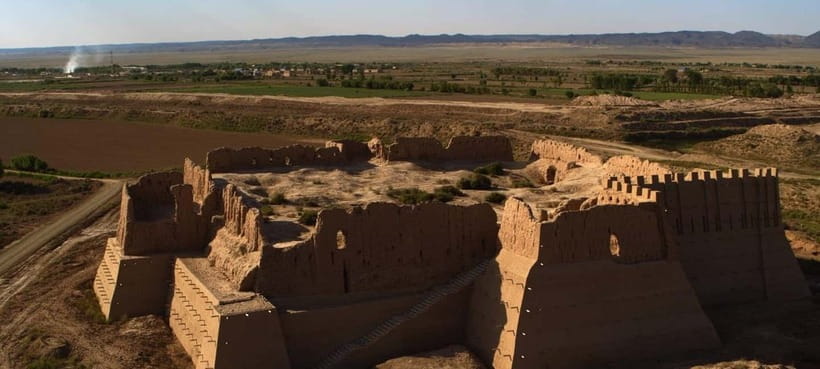
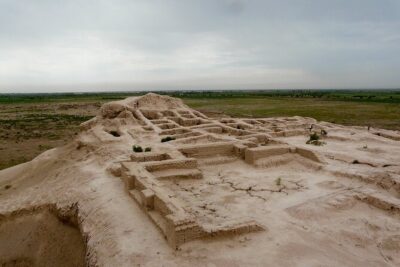
Toprakkala is the most important site on the route for understanding what the Khorezm Oasis once was. Its name means Clay Fortress, a practical description of the earth-built remains. It is identified as the first capital of Khorezm, and the site offers evidence of an organized urban state dating to the fourth century AD.
The site is especially important because archaeologists found some of the earliest written sources connected with Khorezm here. A calendar and plaster statuettes of singers were also found at Toprakkala. Those discoveries make the ruins more than a photogenic stop. They point to administration, timekeeping, art, and a settled political center.
You should expect a wide archaeological site rather than a restored palace or polished museum complex. The appeal comes from the scale and the setting. Earthen walls, open ground, and the remains of planned city spaces help you picture how a fortified capital once worked.
Give yourself time to look closely at the layout. The description of Toprakkala notes that some of the first examples of city planning in the area were found here. That makes it a good place to pause and think about the difference between a simple defensive wall and a planned capital.
The drawback is that the site can feel stark. There may be little shade, and the ground can be uneven. Comfortable shoes are not a minor suggestion here. In winter, warm clothing matters just as much, since the open site offers little shelter from cold air.
Entrance tickets are not included. Budget roughly $1 to $2 per monument per person, according to the supplied information. The exact amount may vary, so keep small cash available if possible.
Kizilkala, the Red Fortress on the way
Kizilkala is a smaller stop, but it adds variety to the route. The name means Red Fortress, referring to the color of its clay. It served as one of the garrison fortresses in the oasis, which gives you a different view from Toprakkala’s former capital.
This is where the route begins to show the defensive logic of the region. The forts were not placed randomly. They formed part of a system built around the borders of the oasis, protecting settled communities and agricultural areas from raids by nomadic groups arriving from the north.
Kizilkala is useful as a short visual lesson. The red-toned clay gives the ruins a distinct appearance, and the fortress helps you see how the oasis used several types of defensive sites. It is not presented as the largest or most elaborate stop, so do not expect the same scale as Toprakkala or the same drama as Ayazkala.
Its value comes from the sequence. You are not visiting one isolated ruin and then returning to the road. You are seeing different pieces of a much larger fortified region, once known for its many fortresses. The local name Ellikkala means 50 fortresses, a reminder of how widespread these defenses were.
Ask your driver how long you will have at Kizilkala. Since this is a private trip, the timing can be more relaxed than on a shared excursion, but the drive to Bukhara still imposes a limit on the day.
Same stretch of the Silk Road, a different sort of day:
- Khiva: Historical City Highlights Guided Walking Tour
★ 4.8 · 156 reviews - Khiva Historical City Highlights Guided Walking Tour
★ 5.0 · 30 reviews - Aral Sea Adventures (2 day)
★ 5.0 · 30 reviews - Private Daytrip to 7 Ancient Fortresses of Khorezm
★ 5.0 · 25 reviews
Ayazkala and the edge of the Kyzylkum Desert
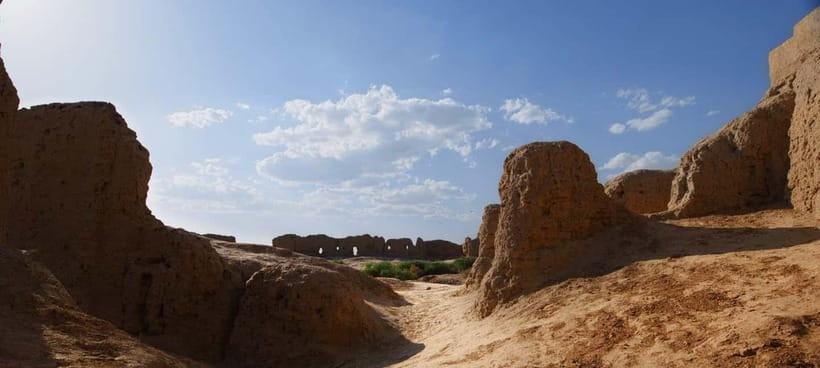
Ayazkala is likely to be the most memorable stop for its setting. The fortress complex has three parts and is described as one of the most important and well-organized defensive sites in the oasis. It was built near the northern edge of the settled region, facing the open steppe and possible raids from the north.
The name means Severe Frost Fortress. The reason becomes clearer in winter, when cold air crosses the exposed steppe. A snowy visit can give the place a wonderfully empty feel, but it also demands proper clothing. One February visit after snowfall was described as especially moving because the ruins were almost entirely empty.
Ayazkala is also the site where comfortable shoes matter most. You may walk across uneven ground and exposed surfaces, with little protection from wind or sun. Bring a camera, but do not forget the practical basics: water for the stops, warm layers in winter, and sun protection in warmer months.
The three-part layout helps you understand the scale of the defensive network. You are not looking at one compact building. You are seeing a group of fortifications linked to the protection of the oasis. The setting gives the site much of its power, with open desert and steppe extending around the walls.
There is a tradeoff here. Ayazkala is remote, and reaching it takes time. That distance is part of the appeal, but it also contributes to the long nine-hour schedule. If you prefer short sightseeing days with frequent facilities, this may feel demanding. If you like broad views, old walls, and places that feel far removed from city life, it is the strongest reason to choose this route.
The Kyzylkum road and lunch stop
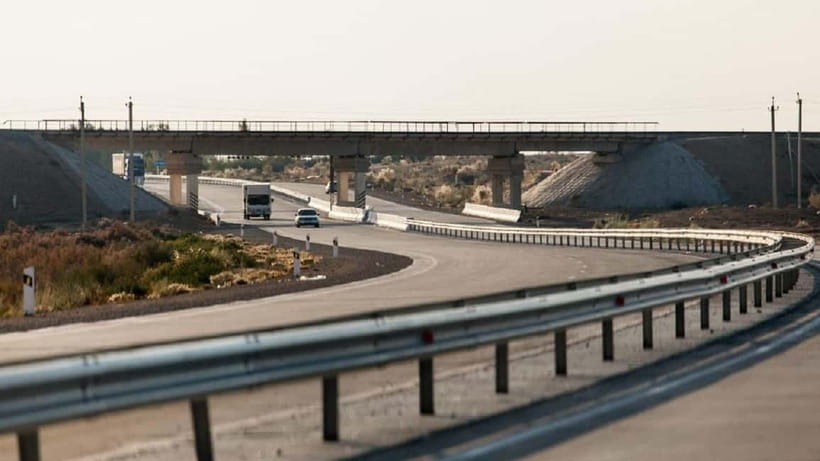
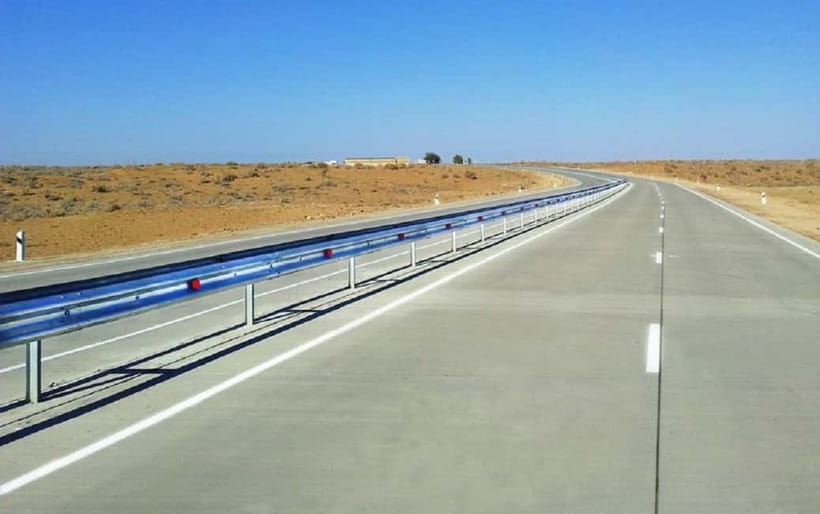
Between the fortresses, expect long stretches through the Kyzylkum Desert region. The journey is not packed with attractions every minute. Some of the day is simply road travel, which is why the private vehicle matters.
A lunch stop is planned along the way, but the supplied details do not name a specific restaurant or set menu. Treat it as an estimated stop rather than a guaranteed culinary event. You may also stop at a local fruit market, where fresh melon was singled out as a memorable part of the day.
That fruit-market detail is useful because it points to the kind of small local moment that can make a transfer feel less mechanical. Still, stops can depend on timing, season, and the driver. If food is important to you, ask at the start of the day when and where lunch will happen.
The vehicle rules prohibit food and drinks inside the car, so do not plan to eat while driving. Keep snacks packed for a stop if needed, but follow the driver’s instructions about where food is allowed.
The driver can shape the whole experience
The driver is central to this trip. You are spending much of the day on the road, and a careful, pleasant driver can make the long distance feel manageable. Jasur is praised for speaking English, being friendly, and offering useful information and advice. Bek is also described as kind and helpful, with enough English for basic communication.
The service also has Russian-speaking drivers. English ability may not be equally strong with every driver, so set your expectations clearly. If you want historical explanations at each site, ask whether the driver will provide them or whether the service is mainly transport with visits arranged along the way.
The feedback is especially strong on kindness, careful driving, and willingness to help. One description calls the driver the kindest person encountered in Uzbekistan, while another praises a careful and very polite driver. Those qualities matter more than fancy extras on a day like this.
A driver is not automatically a trained archaeological guide. You may receive useful background and practical advice, but you should not assume a long formal lecture at every ruin unless that has been confirmed. A little advance communication can make the experience better.
Is $180 good value for up to three people?
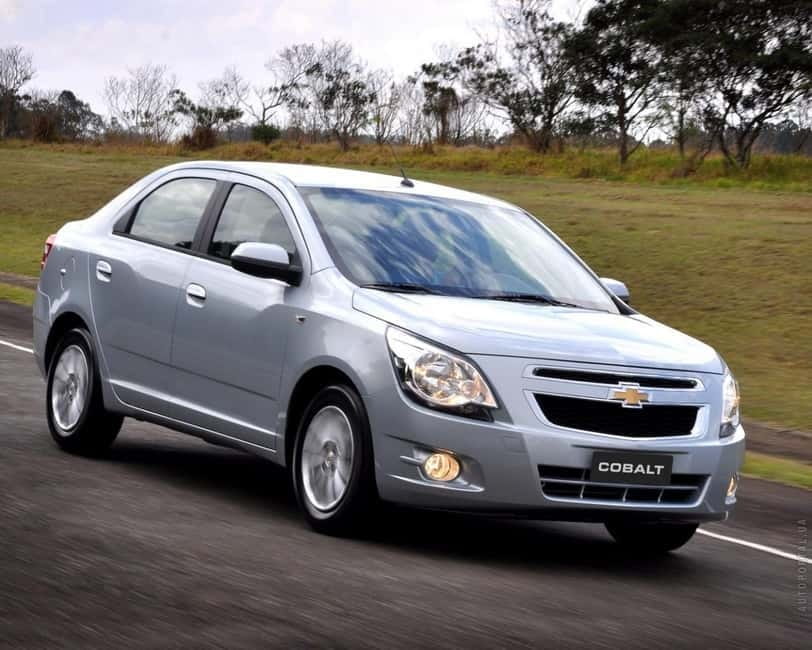
The price is $180 per private group of up to three people. For one person, that is a fairly expensive transfer. For two people, it becomes $90 each, and for three, it drops to $60 each before entrance tickets and personal spending.
That pricing makes the trip most attractive to couples, friends, or a small family group already planning to travel from Khiva to Bukhara. You receive an air-conditioned vehicle, pickup, drop-off, and visits to three fortress sites. You also avoid arranging separate transport from Khiva to the ruins and onward to Bukhara.
Entrance tickets are extra, at about $1 to $2 per monument per person. Lunch and other personal expenses are also not included. The added costs are modest, but remember that the headline price does not cover everything.
The value is strongest if you already need to make the Khiva to Bukhara journey. You are paying for a private transfer with sightseeing built into the route, not for a short local outing. If you only want to see the fortresses and return to Khiva, a different day trip may fit better.
Who will enjoy this day most?

I would recommend this experience to you if you:
- Need to travel from Khiva to Bukhara and want to use the road time well
- Enjoy archaeological sites more than polished attractions
- Prefer a private vehicle and flexible sightseeing
- Are comfortable with a full nine-hour day
- Want to see remote desert fortresses that are difficult to fit into a normal city itinerary
- Are traveling with one or two companions who can share the group price
It is less suitable if you dislike long drives, need frequent indoor facilities, or want a fully guided archaeological tour with detailed explanations at every stop. The forts are exposed, the distances are large, and the day depends on road travel.
Families should consider the walking and weather conditions. The private format can help with breaks, but the sites themselves remain open and uneven. In winter, cold weather can be severe at Ayazkala. In summer, shade may be limited.
Practical preparation for a better day
Wear shoes that can handle uneven ground. Sandals or thin city shoes may be uncomfortable at the fortress sites.
Bring a camera, since the combination of clay walls, open desert, and old defensive structures provides the main visual appeal. Also bring water for use during stops, while remembering that drinks are not allowed in the vehicle.
Warm clothing is important in winter, especially at Ayazkala. The February visit after snowfall shows how different the experience can feel in the cold season. The same empty setting that feels atmospheric can also feel harsh.
Keep your schedule flexible at the Bukhara end. The stated duration is nine hours, but road conditions, lunch, and the time you choose to spend at the forts can affect arrival. Your hotel drop-off in Bukhara is included, which removes one final transport problem after a long day.
Cancellation is free up to 24 hours before departure, and you can reserve now and pay later. The experience is wheelchair accessible, though the practical difficulty of moving across ancient fortress ground may vary from site to site. Ask for site-specific details if accessibility is essential.
Should you book the Khiva to Bukhara fortress transfer?
Book it if you are already moving between Khiva and Bukhara and want the journey to include three memorable archaeological stops. The combination of Toprakkala’s former capital, Kizilkala’s red clay walls, and Ayazkala’s remote three-part defense system gives the day a clear story rather than a string of unrelated sights.
I would choose it for a small group of two or three, since the $180 price becomes much better value when shared. I would also choose it if you like open spaces, old ruins, and flexible time at sites more than comfort-focused sightseeing.
Think twice if nine hours in a car sounds tiring or if you need a strong English-speaking guide throughout. The best part of this experience is the route itself, supported by a helpful driver. It is a smart transfer for the right kind of visitor, but it is still a long road day.
FAQ
How long does the Khiva to Bukhara fortress transfer take?
The stated duration is nine hours. This includes the transfer from Khiva to Bukhara and visits to Toprakkala, Kizilkala, and Ayazkala, plus an estimated lunch stop.
Where does pickup take place in Khiva?
Pickup is available at Ata Darwaza, the west gate of Ichan Kala. Hotel pickup is also allowed.
Which fortresses are included?
The route includes Toprakkala, Kizilkala, and Ayazkala.
Does the tour finish at my hotel in Bukhara?
Yes. Drop-off at your hotel in Bukhara is included after the fortress visits.
Is the vehicle private?
Yes. This is a private group experience, with a group size of up to three people for the listed $180 price.
Are entrance tickets included?
No. Entrance tickets cost about $1 to $2 per monument per person and are paid separately.
What languages can the driver speak?
Drivers are listed as speaking English or Russian. English ability may vary, so confirm how much information you would like during the trip.
Can I cancel the booking?
Yes. You can cancel up to 24 hours in advance for a full refund. Reserve now and pay later is also available.
Freshly added in Khiva
- Traditional Khiva Cooking Class with Market Visit & Lunch★ 5.0 · 4 reviews
- Day Trip Top 3 Fortresses departure from Khiva Self-Guided Tour★ 5.0 · 2 reviews
- Transfer From Khiva To Bukhara★ 5.0 · 2 reviews
- Master Class – Uzbek Bread (Khiva)★ 3.5 · 4 reviews
- A Night In The Kyzylkum Desert [2] From Khiva★ 4.5 · 3 reviews
- Old Khiva Stories with Your Local Guide★ 5.0 · 5 reviews
- Khiva City Tour★ 4.0 · 2 reviews
- Daytrip From Khiva To Ancient Fortresses★ 5.0 · 2 reviews
Ancient Fortress Tours, compared.
Transfer: Bukhara – Khiva via Ancient Fortresses
Read our review →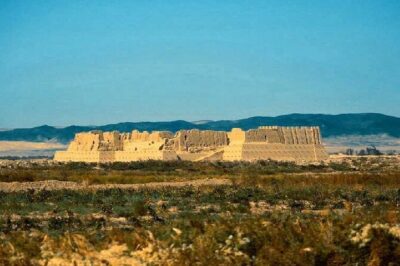
Private Daytrip to 7 Ancient Fortresses of Khorezm
Read our review →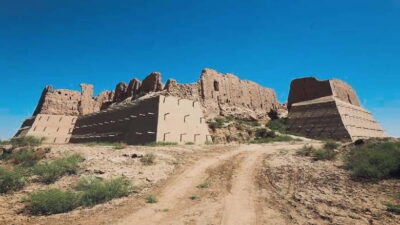

Private Bukhara-Khiva Transfer via Ancient Fortresses
Read our review →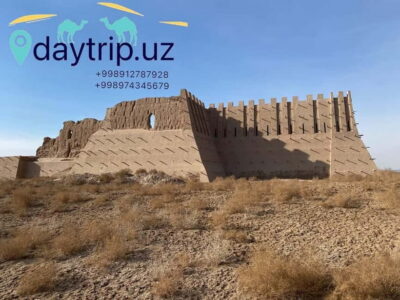
Private Transfer & Photo‑Stops: Ayaz‑Kala & Toprak‑Kala”
Read our review →Browse the lists this tour appears in