
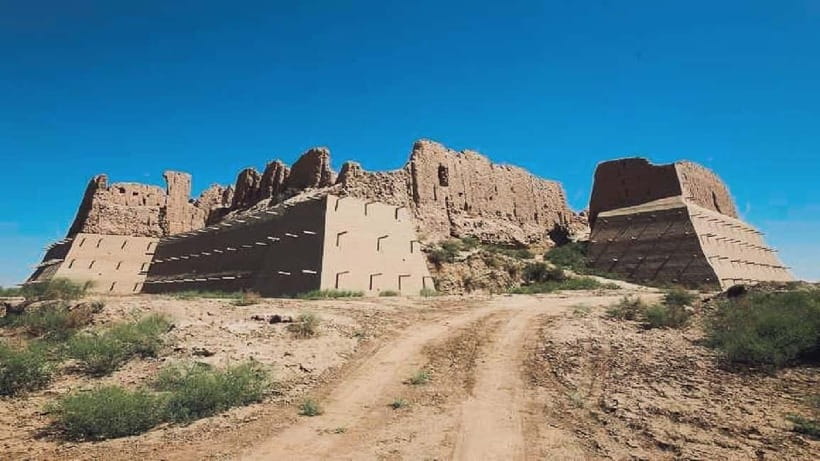
Reviewed · ANCIENT FORTRESS TOURS
Daytrip from Khiva to Five Ancient Fortresses
Ruined citadels turn the desert into a history lesson. This private day trip from Khiva takes you to five ancient fortresses across Karakalpakstan, with hotel or airport pickup, an air-conditioned car, and a flexible departure time. I like the freedom of a private vehicle, and I like that Ayaz-Kala, Toprak-Kala, and the lesser-known Kavat-Kala all fit into one ambitious outing.
The main compromise is simple: you get a driver, not a guide. English may be limited, and several sites are little more than weathered earth walls. That makes this a strong sightseeing and photography day, but a weaker choice if you want detailed archaeology explained at every stop.
In This Review
- Five things to know before you book
- Why this Khorezm fortress route is worth your day
- Guldursun-Kala and the puzzle of abandonment
- Ayaz-Kala, the route’s best-known fortress
- Kavat-Kala, a large site with less to see at a glance
- Toprak-Kala, the former royal residence
- Kyzyl-Kala and the mechanics of survival
- What the private car adds to the experience
- Lunch, entry fees, and the practical cost
- How to prepare for a better fortress day
- Who should book this $115 private outing?
- Should you book it?
- FAQ
- How long does the Five Ancient Fortresses day trip last?
- Where can pickup and drop-off take place?
- Is transportation private?
- How many people can join the group?
- Is a guide included?
- Are entry tickets included?
- Is lunch included?
- Can I choose the departure time?
- Can I cancel the booking for a full refund?
Five things to know before you book
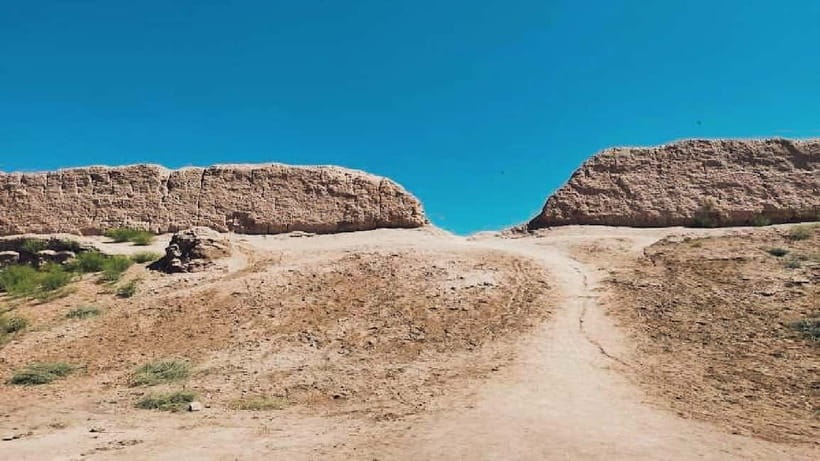
- Ayaz-Kala is the visual star: A group of three fortresses set around a hill, with the most striking ruins on the route.
- The price works best for three people: At $115 per private group of up to three, the transport cost is reasonable when shared.
- Kavat-Kala is huge but subtle: Its remains stretch along the Gavhore Channel, yet much of the site is difficult to recognize without interpretation.
- No guide or entry tickets are included: Bring extra money for site charges and do not expect a formal historical tour.
- The day lasts about seven hours: You can start from Khiva or Urgench and return to either city.
- Driver quality matters: Most feedback praises friendly, flexible service, but one serious complaint concerned fast driving, and another visitor disliked the restaurant recommendation.
Why this Khorezm fortress route is worth your day
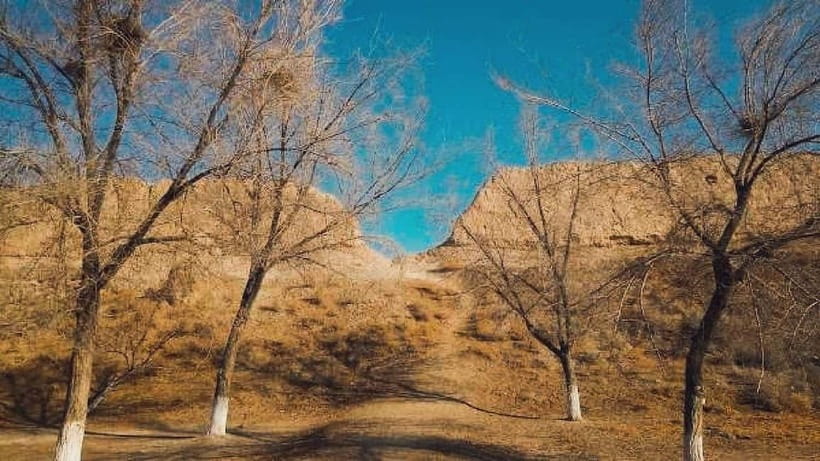
Khiva is one of Uzbekistan’s great preserved historic cities, but its old walls can make the wider Khorezm region seem distant. This trip fixes that. Beyond the city, you see the remains of a much larger network of citadels, estates, canals, and defensive posts.
The fortresses were not all built for the same reason. Some protected farming settlements. Some served as royal residences. Others gave local people a place to shelter during raids. Together, they show how people lived in an arid region where water, trade, agriculture, and defense were closely tied.
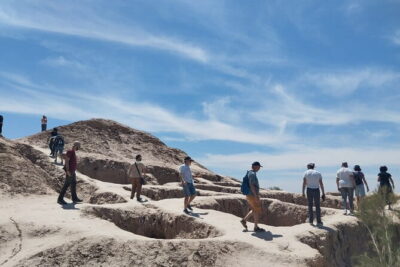
The tour is also a useful change of pace. You spend much of the day in a private air-conditioned vehicle, then get out for short walks among baked mud walls and open desert scenery. The sites do not have the polished paths or restored rooms you find in Khiva. Their appeal comes from scale, age, silence, and the feeling that you are seeing archaeology in an unfinished state.
I would not treat all five stops as equal. Ayaz-Kala and Toprak-Kala offer the clearest visual rewards. Guldursun-Kala has a strong defensive form and a compelling story. Kavat-Kala and Kyzyl-Kala are worthwhile for people who want the full regional picture, but they may feel sparse if you need obvious ruins at every stop.
Other desert fortress runs out of Khiva:
- Transfer: Bukhara – Khiva via Ancient Fortresses
★ 4.5 · 101 reviews - Daytrip From Khiva To Ancient Fortresses
★ 4.6 · 60 reviews - Guided Tour To Old Fortresses
★ 5.0 · 25 reviews
Guldursun-Kala and the puzzle of abandonment
Guldursun-Kala is an early taste of the route’s central theme: enormous mud-brick defenses rising from a dry setting. The fortress has a rectangular plan covering about 35 hectares, with thick adobe walls built in two rows and loopholes worked into the defenses.
The supplied historical account dates the fortress to the second or first centuries BC, while also describing it as being left in ruins around the fifth century BC. Those dates do not line up neatly, so I would treat the chronology as approximate rather than repeat it as settled fact. Archaeological evidence also points to occupation around 1220, during the rule of Shah Ala ad-Din Muhammad, close to the Mongol invasions of the Khorezmian Empire.
That uncertainty does not lessen the experience. It reminds you that these sites were built, altered, occupied, abandoned, and sometimes used again over a very long period.
Your visit here is listed as a photo stop, walk, sightseeing visit, and self-guided tour. In practical terms, you should expect to explore at your own pace while the driver waits or helps with basic logistics. If you want a detailed explanation of the wall design or the archaeological layers, you will need to read ahead or arrange a separate guide.
Ayaz-Kala, the route’s best-known fortress
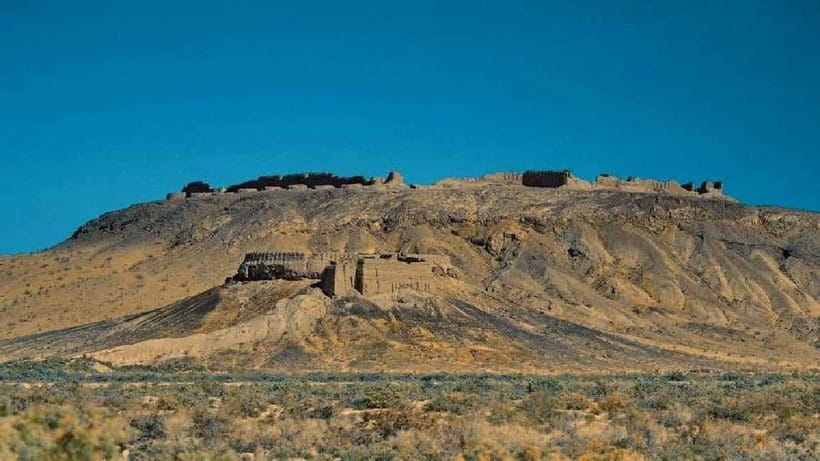
Ayaz-Kala is the stop I would most want to see. It is often described as the most showy fortress in ancient Khorezm, and the reason becomes clear when you learn that Ayaz-Kala is not one fortress but a complex of three, grouped around a hill on the eastern side of the Sultan Uizdak ridge.
The name comes from a Turkic word connected with frost or cold. The setting gives the ruins their power. Instead of viewing one isolated wall, you get a larger defensive system spread across rising ground. The three-part layout helps you picture how fortifications worked together rather than imagining a single castle.
The schedule allows a photo stop, free time, sightseeing, walking, and a self-guided visit. That flexibility is useful because the site rewards slow looking. You can study the wall lines, pick out towers, and compare the citadels from different positions instead of rushing through one marked path.
Ayaz-Kala is also the place most likely to satisfy people who have only seen the old city of Khiva. Khiva gives you restored urban architecture. Ayaz-Kala gives you exposed ruins and broad views. The contrast is the point.
Wear shoes suited to uneven ground, since the experience includes walking around open ruins rather than moving through a fully developed museum complex. Entry tickets are not included, so keep cash available and confirm the current charge with the operator before departure.
Kavat-Kala, a large site with less to see at a glance
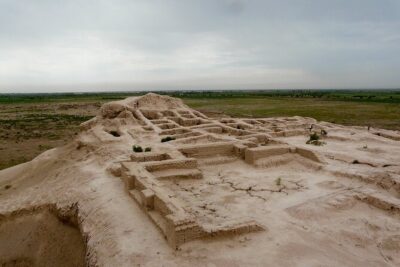
Kavat-Kala is the hardest stop to judge from photographs. It is a major archaeological area, but much of its importance lies in its size and buried or low remains rather than in dramatic standing walls.
The complex stretches for about 15 kilometers along the Gavhore Channel and is two to three kilometers wide. Between the twelfth and thirteenth centuries, the central section was heavily populated, with around 90 estates described in the historical account.
The central fortress measures roughly 160 by 190 meters. Residential buildings and clay structures were still visible until recently, and the site remains the subject of ongoing research. That last point matters. Kavat-Kala is not a finished archaeological attraction with every feature identified and explained. It is a place where the evidence is still being studied.
You are given time to visit and sightsee, with a break included. I would approach this stop as a chance to understand the scale of the Khorezm oasis, not as another Ayaz-Kala. If you arrive expecting tall towers and complete walls, you may be disappointed. If you enjoy seeing a site in a less polished state, Kavat-Kala adds useful depth to the day.
Same stretch of the Silk Road, a different sort of day:
- Khiva: Historical City Highlights Guided Walking Tour
★ 4.8 · 156 reviews - Khiva Historical City Highlights Guided Walking Tour
★ 5.0 · 30 reviews - Aral Sea Adventures (2 day)
★ 5.0 · 30 reviews - Private Daytrip to 7 Ancient Fortresses of Khorezm
★ 5.0 · 25 reviews
Toprak-Kala, the former royal residence
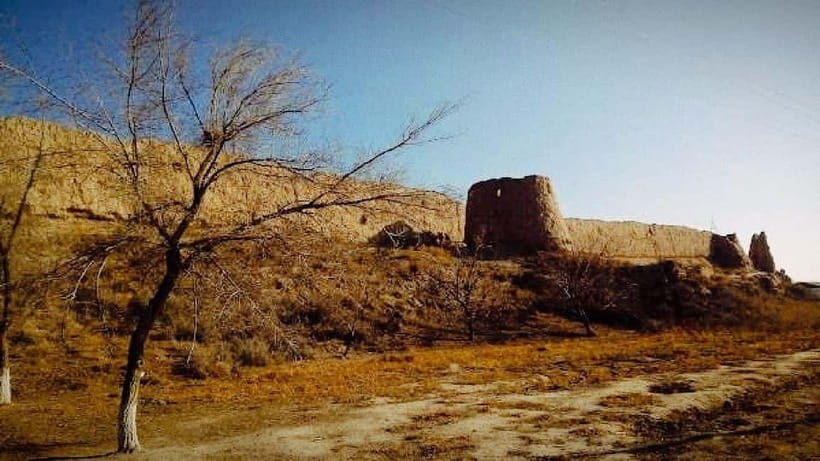
Toprak-Kala is one of the route’s strongest historical stops. Built in the third century, it served as a residence for Khorezmshahs, the rulers of the country, until about AD 305.
That royal connection changes how you read the ruins. This was not only a border post or emergency shelter. It was a center of power, administration, and court life. The fortress later declined after repeated aggressive wars forced the rulers to leave, and the city gradually fell into decay.
Excavations have found coins, fragments of Zoroastrian ossuaries, fine ceramics, wool and silk textiles, gold ornaments, and a necklace made with 300 glass beads, paste, amber, and coral. Bowls and other objects also point to a level of craftsmanship that is easy to miss when you first see the bare earth walls.
The visit includes a break, photographs, walking, and self-guided sightseeing. Give yourself time to connect the physical remains with the objects found below them. Even if the original treasures are no longer on site, the finds help you imagine Toprak-Kala as a functioning royal city rather than an empty ruin.
For many people, this is the second essential stop after Ayaz-Kala. It has a clearer story than some of the smaller sites, and its royal role gives the day a strong center.
Kyzyl-Kala and the mechanics of survival
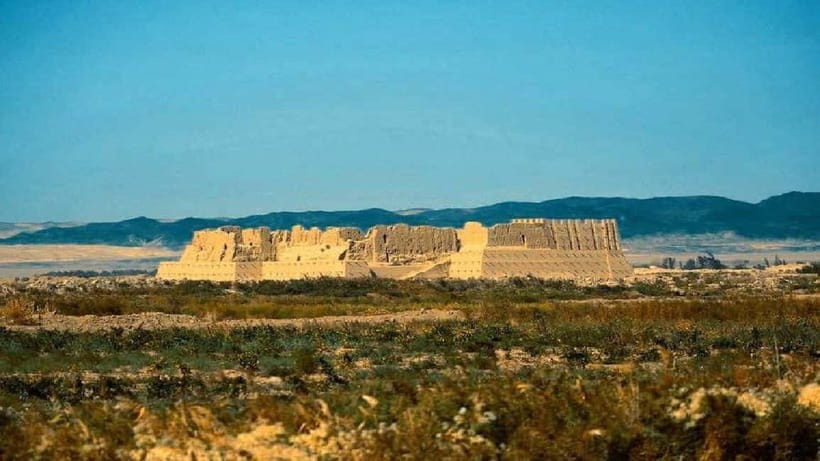
Kyzyl-Kala served as a refuge during raids by nomadic forces. Smoke signals could warn nearby communities that an enemy army was approaching, giving people time to prepare for battle or move inside the citadel.
The fortress was protected by a double wall, with watchtowers at the corners. One detail is especially memorable: ceramic pipes were installed to bring a continuing water supply into the fort. That feature turns the site from a simple pile of walls into a practical defensive system. A fortress could not protect people for long without water.
The itinerary includes a break, photographs, walking, sightseeing, and a safety briefing. You should expect a self-guided visit, so the most useful preparation is to understand what you are looking at before you arrive. Look for the logic of the walls, corners, towers, and water system.
Kyzyl-Kala may not have the immediate impact of Ayaz-Kala, but it offers one of the clearest explanations of daily survival during conflict. I like it for that reason. It is less about royal display and more about how an ordinary population might respond to danger.
What the private car adds to the experience
The tour includes private round-trip transportation in an air-conditioned vehicle. Pickup is available from a hotel in Khiva, or from the airport and train station in Urgench, with drop-off in either Khiva or Urgench.
That arrangement is valuable because the fortresses are spread across Karakalpakstan and public transport would make a five-stop day difficult. You are not tied to a large group, and the departure time is flexible. A private vehicle also lets you stop for photographs or adjust the pace within reason.
The group limit is three people. At $115 per group, the value is strongest when three people share the ride. One person pays a fairly high transport cost, while three people bring the cost to about $38 each before entry fees and food.
The driver may know the route well, but the service is not the same as a guided archaeological tour. Some drivers have limited English. Several accounts praise friendly, accommodating drivers who stopped when requested and worked hard to communicate. Izzat, in particular, received warm praise for his attitude and for sharing aspects of local culture despite the language barrier.
There is also a serious point to keep in mind. One complaint described dangerously fast driving, and another described fast driving on poor roads. You should feel free to ask the driver to slow down. Comfort and safety matter more than shaving a few minutes off the route.
Lunch, entry fees, and the practical cost
Lunch is optional and not included. The experience also excludes entry tickets, parking is included.
One account mentions paying 20,000 Uzbek som at three sites, while also expressing uncertainty about whether every charge was legitimate. I would not assume that figure applies everywhere or remains current. Bring Uzbek som, ask what each ticket costs, and request a receipt if one is available.
Food requires a little care. A driver may suggest a restaurant, but one account describes being pushed toward a poorly rated place and later finding another restaurant with a menu that had no prices. I would check the restaurant in advance, ask to see prices before ordering, and avoid feeling pressured to stop somewhere you do not want to use.
Because the tour lasts about seven hours, you should plan your food needs before setting out. The route includes breaks, but the exact meal arrangement is not fixed. A simple packed lunch may give you more control, though the tour information does not promise that one will be provided or arranged.
How to prepare for a better fortress day
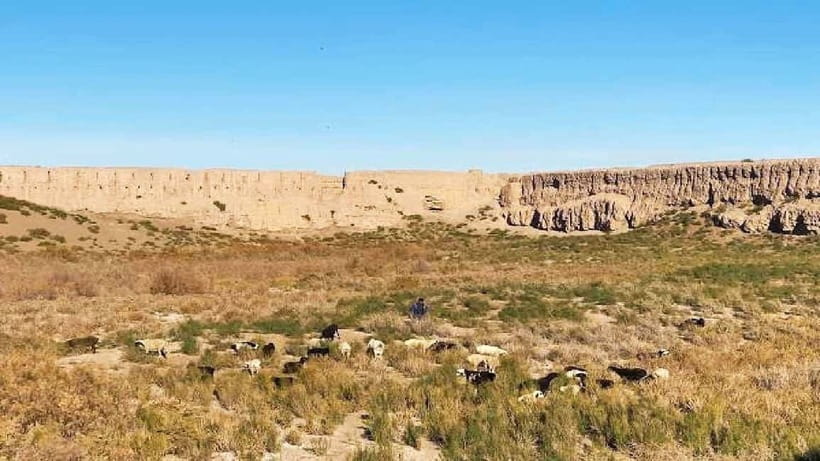
A little preparation will make a major difference. Since there is no guide included, read a short history of Khorezm and the five sites before leaving Khiva. Even basic context will help you recognize the difference between a royal center, a refuge fortress, and a wide settlement zone.
I would also bring:
- Water and sun protection for open-air walking
- Comfortable shoes for uneven ground
- Uzbek som for entry charges and food
- A phone or camera with spare battery power
- A printed or saved list of the five fortress names
- Patience for sites that are partly eroded or difficult to identify
Ask the driver at the start how long you will have at each stop. The schedule includes all five locations in seven hours, so the day may feel full. If you care more about Ayaz-Kala and Toprak-Kala than checking every name off a list, ask whether extra time can be given to those sites.
The listed activities include sunset at several stops. That can produce softer light for photographs, but the exact timing depends on the departure time and road conditions. Flexible departure helps, but it does not guarantee a sunset at every fortress.
Who should book this $115 private outing?
I would recommend this trip to anyone who wants to see the ancient Khorezm region beyond Khiva and is comfortable with a self-guided format. It suits people who enjoy archaeology, open spaces, photography, and imperfect ruins.
It is especially good for three people sharing the price. It also works well if you need a one-way finish in Urgench, since pickup and drop-off options include both Khiva and Urgench.
I would hesitate if you need fluent English explanations, carefully timed museum visits, or a polished attraction at every stop. Kavat-Kala and some of the other lesser-known sites may look like low mounds and scattered mud-brick remains. The route is broad rather than deep, and seven hours leaves limited room for lingering.
The overall rating of 4.4 from 15 ratings reflects that balance. Friendly drivers, flexible stops, and the striking fortresses earn strong praise. Limited English, food problems, extra entry charges, and concerns about driving keep the experience from being an easy recommendation for everyone.
Should you book it?
Book it if you want an efficient private ride from Khiva to the best-known fortress sites and can do the historical explaining yourself. The value is good for a group of three, and Ayaz-Kala plus Toprak-Kala can make the day worthwhile even if two stops feel modest.
Before paying, confirm the entry-ticket plan, ask about the driver’s English, and make your safety expectations clear. If you want richer explanations, arrange a separate guide. If you mainly want to see the desert fortresses without arranging complicated transport, this is a practical and memorable outing.
FAQ
How long does the Five Ancient Fortresses day trip last?
The trip lasts about seven hours, including transportation and visits to Guldursun-Kala, Ayaz-Kala, Kavat-Kala, Toprak-Kala, and Kyzyl-Kala.
Where can pickup and drop-off take place?
Pickup is available from hotels in Khiva, as well as the airport or train station in Urgench. Drop-off is available in Khiva or Urgench.
Is transportation private?
Yes. The experience includes private round-trip transportation in an air-conditioned vehicle for a private group.
How many people can join the group?
The price covers a private group of up to three people.
Is a guide included?
No. A guide is not included. The driver takes you between the sites, and some drivers may have limited English.
Are entry tickets included?
No. Entry tickets are not included in the price. You should budget separately for admission charges.
Is lunch included?
No. Lunch is optional and not included.
Can I choose the departure time?
The tour offers a flexible departure time. Starting times depend on availability.
Can I cancel the booking for a full refund?
Yes. You can cancel up to 24 hours in advance for a full refund. You can also reserve now and pay later.
Freshly added in Khiva
- Traditional Khiva Cooking Class with Market Visit & Lunch★ 5.0 · 4 reviews
- Day Trip Top 3 Fortresses departure from Khiva Self-Guided Tour★ 5.0 · 2 reviews
- Transfer From Khiva To Bukhara★ 5.0 · 2 reviews
- Master Class – Uzbek Bread (Khiva)★ 3.5 · 4 reviews
- A Night In The Kyzylkum Desert [2] From Khiva★ 4.5 · 3 reviews
- Old Khiva Stories with Your Local Guide★ 5.0 · 5 reviews
- Khiva City Tour★ 4.0 · 2 reviews
- Daytrip From Khiva To Ancient Fortresses★ 5.0 · 2 reviews
Ancient Fortress Tours, compared.
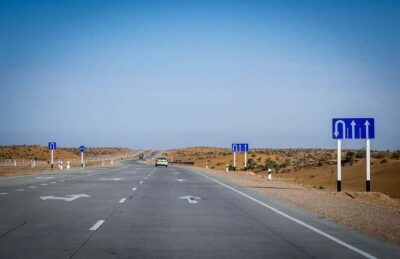
Transfer: Bukhara – Khiva via Ancient Fortresses
Read our review →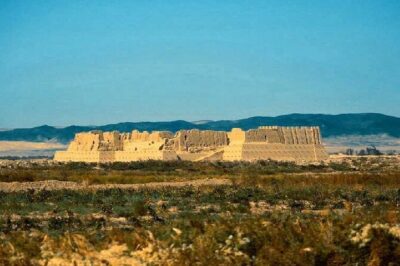
Private Daytrip to 7 Ancient Fortresses of Khorezm
Read our review →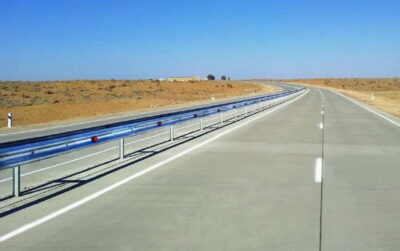

Private Bukhara-Khiva Transfer via Ancient Fortresses
Read our review →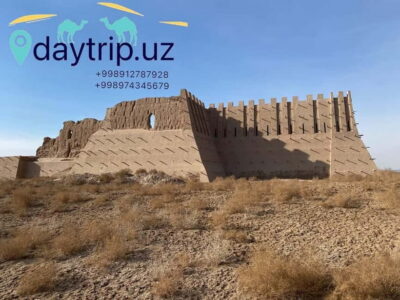
Private Transfer & Photo‑Stops: Ayaz‑Kala & Toprak‑Kala”
Read our review →Browse the lists this tour appears in