
Reviewed · KHIVA TOURS
Daytrip From Khiva to Savitsky Museum & Mizdakhan & Chilpik
Art, tombs, and desert in one long day. This private trip links Nukus’s Savitsky Museum with two unusual Karakalpakstan sites that are difficult to reach without a car. I like the contrast: Soviet avant-garde paintings indoors, then ancient burial grounds and a Zoroastrian tower in the open desert.
I also like the simple door-to-door transport from Khiva or Urgench, especially when the price is split between two or three people. The main drawback is the length. Khiva to Nukus takes about three hours each way, and some drivers speak little English, so this is better for flexible, independent sightseers than for anyone expecting a full guided museum tour.
For $128 per private group of up to three, the value is strong if you want to see more than Khiva. You pay extra for entrance tickets, lunch, and any guide, but the air-conditioned round trip saves you the trouble of arranging several separate rides across a large and sparsely settled region.
In This Review
- Key points at a glance
- Why this makes a worthwhile side trip from Khiva
- The three-hour road to Nukus
- Savitsky Museum: the day’s strongest stop
- Chilpik Dakhma Kala and the Tower of Silence
- Mizdakhan Necropolis, where ruins become stories
- What the private price really gives you
- Is this a guided tour or a private transfer with stops?
- Who should book this day trip?
- Booking details worth knowing
- Should you book it?
- FAQ
- How much does the tour cost?
- How long does the experience last?
- Where can pickup take place?
- Where can drop-off take place?
- Is transportation included?
- Is a guide included?
- Are entrance tickets included?
- Can I cancel for a full refund?
- Is the tour wheelchair accessible?
Key points at a glance
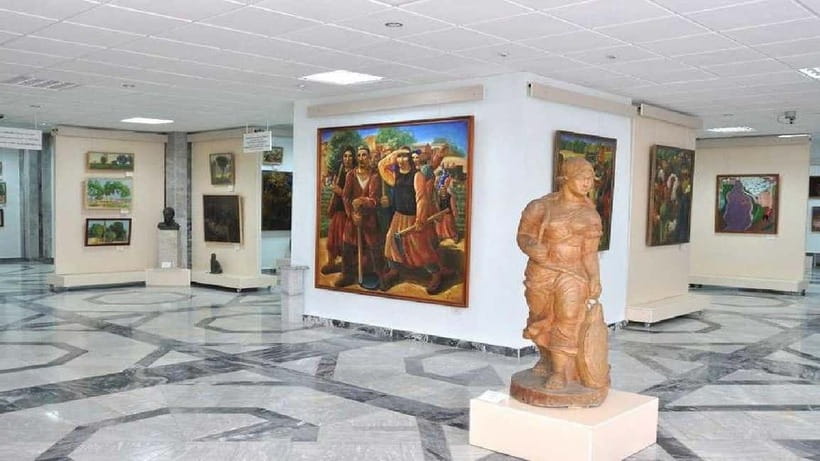
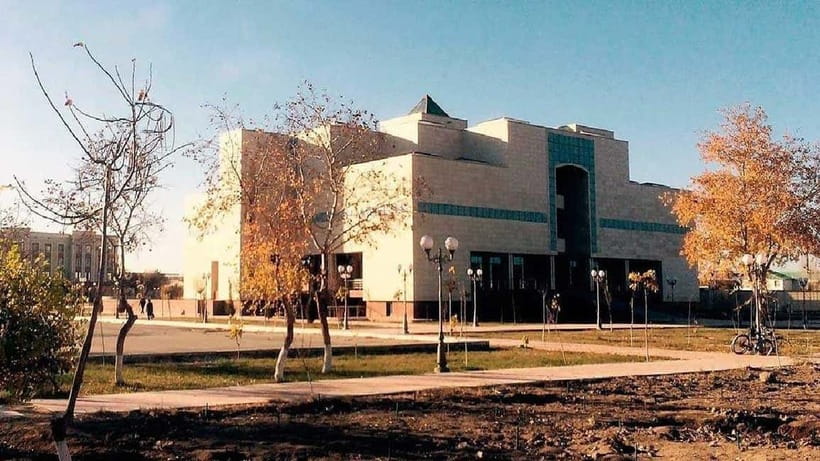
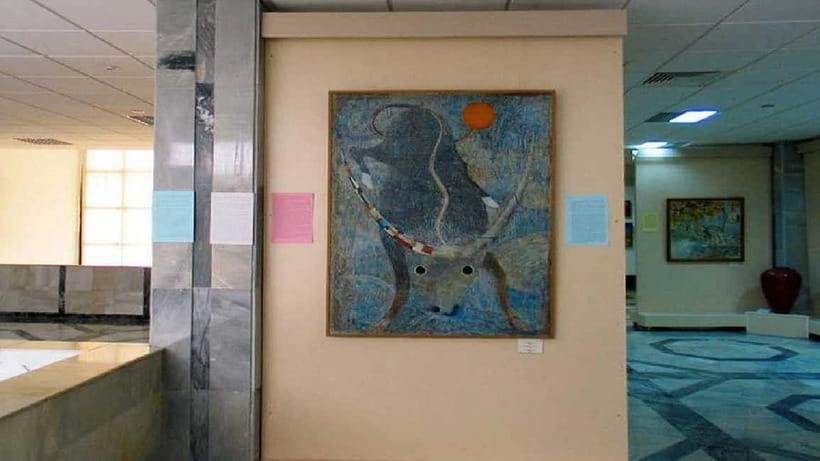
- Savitsky Museum in Nukus: See one of Asia’s finest art collections, including Russian avant-garde works, Uzbek art, Karakalpak crafts, and Khorezm antiquities.
- Chilpik Dakhma Kala: Walk up to an ancient Zoroastrian Tower of Silence for wide views over the desert.
- Mizdakhan Necropolis: Explore mausoleums, tombs, ruins, and sacred places linked with both Zoroastrian and Islamic traditions.
- Three-hour Khiva to Nukus drive: The road passes fruit trees, cotton fields, villages, and dry desert scenery, making the transfer part of the experience.
- Private transport for up to three people: You get hotel pickup and drop-off in Khiva or Urgench rather than joining a large coach.
- Guide not included: The driver handles the route and transport, but you should arrange your own guide if detailed interpretation matters to you.
Why this makes a worthwhile side trip from Khiva
Khiva can easily fill several days, but its famous old town gives only one view of Uzbekistan. This journey takes you into Karakalpakstan, a region with a different visual mood and a different cultural story.
The day brings together three very different places. The Savitsky Museum gives you art and history in a quiet indoor setting. Chilpik offers a stark monument on a hill. Mizdakhan feels more open-ended, with tombs and ruined structures spread across a large area.
I particularly like this mix because it prevents the day from becoming a string of similar monuments. You move from carefully arranged gallery rooms to wind, stone, open sky, and old burial sites. That change of pace is one of the trip’s strongest features.
You should still set your expectations correctly. This is a long road day, not a relaxed local outing. The stated duration is eight hours, but the drive from Khiva to Nukus alone takes around three hours each way according to the experience details. Depending on departure time, stops, road conditions, and how long you spend at the museum, the schedule may feel compressed or run long.
Other Khiva trips travellers line up with this one:
- Khiva: Historical City Highlights Guided Walking Tour
★ 4.8 · 156 reviews - Transfer: Bukhara – Khiva via Ancient Fortresses
★ 4.5 · 101 reviews - Daytrip From Khiva To Ancient Fortresses
★ 4.6 · 60 reviews
The three-hour road to Nukus
Pickup is available from any hotel in Khiva or Urgench. You are asked to wait in the hotel lobby from ten minutes before the agreed pickup time, which keeps the start simple.
The vehicle is private, air-conditioned transport. That matters here. Karakalpakstan covers a broad area, and you are spending much of the day on the road. A private car also lets your group keep its own pace instead of waiting for a full bus.
The drive itself is part of the appeal. One account of the route describes fruit trees near villages, white cotton fields, and then increasingly dry country with unusual shrubs. You get a useful visual sense of how the settled oasis gives way to the desert.
The main practical weakness is communication. Some drivers have limited English, and one reported solution was using Google Translate. The drivers are trained to follow the planned route, and the experience provider is Amu Transport, but this should not be confused with a fully narrated tour.
If you want historical explanations at every stop, arrange a separate guide or confirm guide availability before booking. If you are comfortable with a polite driver, a phone translator, and some self-guided exploration, the language issue is manageable.
Savitsky Museum: the day’s strongest stop
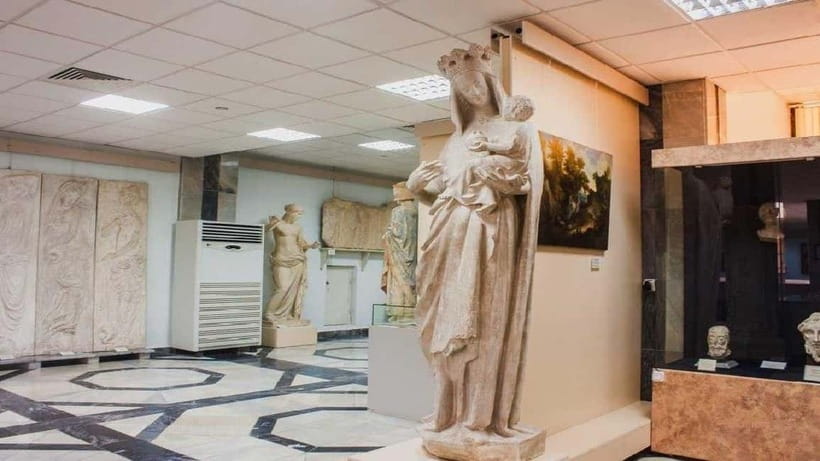
The Nukus Museum of Art is the main reason many people make this journey. It opened in 1966 and holds more than 82,000 objects, covering a remarkable range: Khorezm antiquities, Karakalpak folk art, Uzbek fine art, and a major collection of Russian avant-garde works.
The museum is often compared with the Louvre because of the quality and scale of its collection within the Asian region. That comparison can sound grand, but the museum’s appeal is easy to understand once you consider its unusual combination of art. You are not seeing only one national school or one period. The collection moves between ancient objects, local craft, Soviet-era work, and modern painting.
The Russian avant-garde section is especially important. Nukus is far from the usual European museum circuit, yet it holds the second-largest collection of Russian avant-garde works in the world, according to the supplied tour information. That makes the museum valuable for serious art lovers, but it also gives casual visitors something unexpected to look for.
I like the way the display reportedly places paintings alongside handcrafted objects. That arrangement can help you see local visual traditions next to formal art, rather than treating them as unrelated subjects. Textiles are also part of the collection, adding texture and pattern to rooms that might otherwise feel dominated by painting.
Plan on about an hour and a half inside and around the museum. That is enough for a focused visit, but not enough to inspect all 82,000 objects, naturally. If art is your main reason for booking, you may wish you had more time. The stop works best when you accept that you are getting a strong introduction rather than a complete survey.
Tickets are not included, so budget separately for entry. The experience information also notes a separate entrance for skipping the line, but you should still check the current admission arrangements when you book.
Chilpik Dakhma Kala and the Tower of Silence
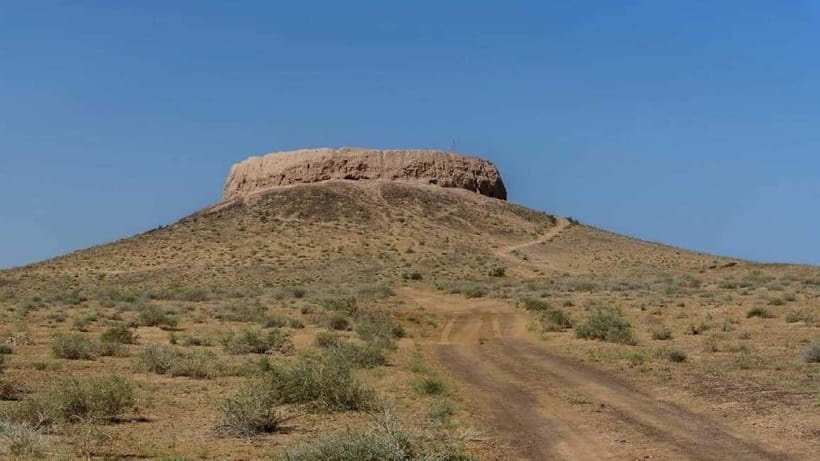
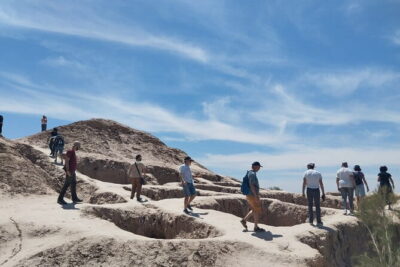
Chilpik Dakhma Kala is one of the day’s most memorable sights because of its setting. The ancient Zoroastrian Tower of Silence sits on a hill above the desert, giving you a clear view of the surrounding country.
This is not a polished city monument with a neat route and interpretive signs at every turn. Its power comes from the exposed setting and the connection to ancient funerary practice. You can learn about the spiritual role of the site, then look out across the meeting point of desert and oasis.
Allow about an hour for the stop, including a break, photographs, and the visit itself. The climb deserves attention. One account describes a flight of steps and a scramble near the top, so wear shoes with a secure sole and do not treat the ascent as a quick stroll.
The reward is a broad view and a strong sense of place. The site also gives you a useful pause after the museum. Instead of looking closely at framed art, you are reading the shape of the land and the remains of an ancient ritual structure.
Facilities are limited, although toilets are available. Bring water and protect yourself from the sun. The provided information does not specify shade, food service, or seating at the site, so it is sensible to use the break as a chance to prepare for the rest of the route.
Same stretch of the Silk Road, a different sort of day:
- Khiva Historical City Highlights Guided Walking Tour
★ 5.0 · 30 reviews - Aral Sea Adventures (2 day)
★ 5.0 · 30 reviews - Private Daytrip to 7 Ancient Fortresses of Khorezm
★ 5.0 · 25 reviews - Guided Tour To Old Fortresses
★ 5.0 · 25 reviews
Mizdakhan Necropolis, where ruins become stories
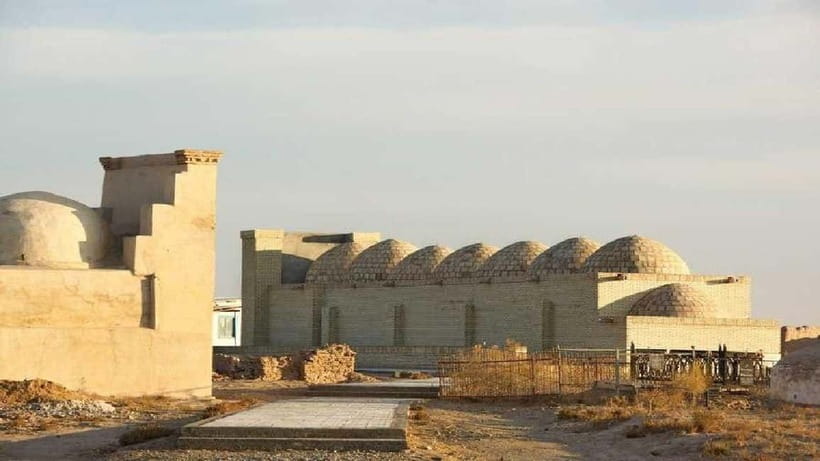
Mizdakhan is described as a city of the dead, and the name fits its broad spread of mausoleums, tombs, and ruins. The site includes the Nazlimkhan Sulu Mausoleum and Shamun Nabi Hill, along with remains connected to Zoroastrian and Islamic traditions.
I find this stop valuable because it is less about one perfect monument and more about walking through a whole sacred area. You may see old walls, burial structures, and scattered remains rather than a single building that explains everything at a glance. That makes a guide useful, but it also leaves room for quiet, self-guided wandering.
The scheduled visit lasts about an hour. That is enough to get a feel for Mizdakhan, but the site is spread out and can feel overwhelming. One direct account described it as large and intense in its extent, which is a fair warning for anyone expecting a compact ruin.
The legends connected with the site add another layer. Mizdakhan was once an important Zoroastrian and Islamic center, and local traditions help explain why the area carries such weight. Without a guide, you may need to rely on your own reading or translation tools to understand the details.
An arts and crafts market visit is also included in the planned stop. The information does not promise a particular range of goods or prices, so think of it as an optional cultural pause rather than the main reason to come.
What the private price really gives you
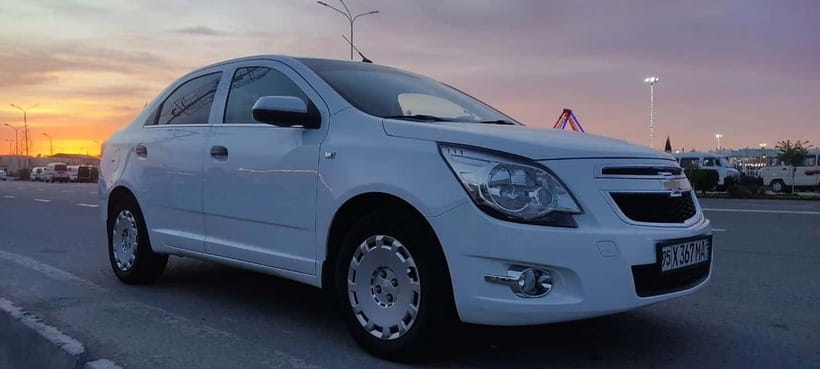
The listed price is $128 per group of up to three people, not per person. That works out to about $43 each for three people, or $64 each for two, before entrance tickets, lunch, and guide costs.
That is a good deal for a private air-conditioned car covering the Khiva or Urgench to Nukus round trip. The value becomes even clearer if you would otherwise need to arrange separate transport to the museum, Chilpik, and Mizdakhan.
For one person, the price is less attractive, though convenience may still justify it. Solo visitors should compare this cost with other private car options, but the ability to set off from their own hotel and return there has real value in a region where distances are large.
Lunch is optional and not included. One booking included a recommendation for an excellent restaurant at midday, but the exact restaurant is not guaranteed by the supplied details. Ask the driver about lunch timing, especially since the day includes long driving stretches.
Tickets are also extra. This is normal for a private transport-focused experience, but you should add admission fees to your budget before deciding that $128 is the final cost.
Is this a guided tour or a private transfer with stops?
The answer is somewhere in between. You get a private group, hotel pickup, return transport, and a driver who follows the planned route. You do not automatically get a dedicated English-speaking guide, and guide fees are not included.
That distinction matters most at the museum and Mizdakhan. A guide can explain why the Russian avant-garde collection ended up in Nukus, identify important works, and make sense of the tombs and legends. Without one, you will have more independence but less context.
The driver may have limited English, but that does not mean the day cannot work. A phone translator can handle basic arrangements, as one booking experience demonstrated. Still, confirm the meeting points, stop lengths, and lunch plan clearly before setting off.
The trip is wheelchair accessible according to the supplied information, but Chilpik includes steps and a scramble near the top. If you have limited mobility, ask the provider how accessibility applies to each stop, not just the vehicle.
Who should book this day trip?
I would recommend it most strongly to people who have a full day available from Khiva or Urgench and want to see a less familiar side of Uzbekistan.
It suits you if:
- You are genuinely interested in art, especially Soviet and Russian avant-garde work.
- You enjoy unusual archaeological and religious sites more than polished tourist monuments.
- You can handle several hours in a car.
- You are comfortable exploring some stops without constant English commentary.
- You are traveling with two or three people who can share the fixed price.
- You want hotel pickup and drop-off rather than a complicated transport plan.
I would be more cautious if you dislike long road transfers, need a fully guided experience, or want to spend several hours studying the museum. The day combines three worthwhile stops, but each one receives a limited amount of time.
The strongest part for most people will be the museum. Chilpik adds the most dramatic view, while Mizdakhan supplies the most atmosphere and historical mystery. If you are tired after the road to Nukus, it is possible that the museum and Chilpik alone will feel like enough. One booking group chose to skip Mizdakhan for exactly that reason, and the day still felt worthwhile to them.
Booking details worth knowing
Amu Transport provides pickup from hotels in Khiva and Urgench and returns you to either location. Starting times depend on availability, so check the schedule before paying.
Cancellation is free up to 24 hours before departure, and you can reserve now and pay later. Those terms are useful here because road-day plans can be affected by heat, fatigue, or changes to a wider Uzbekistan route.
The experience is private, not a shared group outing. That gives you more control over breaks, but it does not automatically mean a guide will be in the car. Confirm whether you want transport only or transport plus guiding.
Should you book it?
Book this trip if you want the Savitsky Museum and prefer to see it alongside two rare desert monuments rather than as a rushed standalone transfer. The combination is unusual, the private price is fair for two or three people, and the drive opens a window onto Karakalpakstan that you will not get by staying inside Khiva.
Skip it if you want a short excursion or a polished, fully narrated sightseeing day. The road is long, Chilpik requires a climb, Mizdakhan is spread out, and the driver may communicate mainly through translation software.
For the right person, this is one of the more rewarding ways to reach Nukus from Khiva. Go for the museum, prepare for a long day, pack water and good shoes, and treat the desert stops as places to look, walk, and think rather than attractions to rush through.
FAQ
How much does the tour cost?
The price is $128 per private group of up to three people. Entrance tickets, lunch, and a guide are not included.
How long does the experience last?
The stated duration is eight hours. The drive between Khiva and Nukus takes about three hours each way, so the day includes substantial time in the car.
Where can pickup take place?
Pickup is available from any hotel in Khiva or Urgench. You should wait in the hotel lobby from ten minutes before the scheduled pickup time.
Where can drop-off take place?
Return drop-off is available in either Khiva or Urgench.
Is transportation included?
Yes. The experience includes private, round-trip, air-conditioned transportation.
Is a guide included?
No. A guide is not included in the price. Some drivers may have limited English, although they are trained to follow the planned program.
Are entrance tickets included?
No. Tickets for the attractions are paid separately.
Can I cancel for a full refund?
Yes. You can cancel up to 24 hours in advance for a full refund.
Is the tour wheelchair accessible?
The experience is described as wheelchair accessible. However, Chilpik includes steps and a scramble near the top, so ask the provider about access at each individual stop.
Freshly added in Khiva
- Traditional Khiva Cooking Class with Market Visit & Lunch★ 5.0 · 4 reviews
- Day Trip Top 3 Fortresses departure from Khiva Self-Guided Tour★ 5.0 · 2 reviews
- Transfer From Khiva To Bukhara★ 5.0 · 2 reviews
- Master Class – Uzbek Bread (Khiva)★ 3.5 · 4 reviews
- Old Khiva Stories with Your Local Guide★ 5.0 · 5 reviews
- A Night In The Kyzylkum Desert [2] From Khiva★ 4.5 · 3 reviews
- Daytrip From Khiva To Ancient Fortresses★ 5.0 · 2 reviews
- Khiva City Tour★ 4.0 · 2 reviews
Khiva Tours, compared.
Khiva: Historical City Highlights Guided Walking Tour
Read our review →
Transfer: Bukhara – Khiva via Ancient Fortresses
Read our review →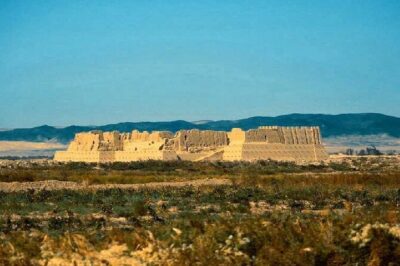
Khiva Historical City Highlights Guided Walking Tour
Read our review →
Private Daytrip to 7 Ancient Fortresses of Khorezm
Read our review →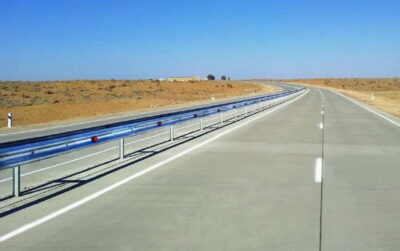
Browse the lists this tour appears in