
Reviewed · WALKING TOURS
Bukhara: Walking Tour with a Small Group
Bukhara rewards slow footsteps. I like this four-and-a-half-hour walk for its compact group of no more than 10 people and its route through the city’s finest monuments, from Lyabi-Hauz to the Kalon Minaret. I also like the focus on local stories and customs rather than pushing shopping stops. The main drawback is that entrance fees, food, and drinks cost extra, and the Ark Fortress is viewed only from outside.
Guides such as Sunny and Nuriddin have made this tour especially appealing for visitors who want more than a quick photo stop. Still, this is a long walk in open weather, and the itinerary packs in a lot, so you should wear good shoes and expect a full morning or afternoon.
In This Review
- Key points to know before booking
- Why this Bukhara walk works so well
- Starting at Lyabi-Hauz and the old caravan route
- Magoki-Attori Mosque and the first added costs
- Trading domes: Toki Telpakfurushon and Toki Zargaron
- Three madrasas, three different lessons
- Poi Kalyan, Bukhara’s grand visual payoff
- The Ark Fortress, Bolo-Hauz, and the change of pace
- Ismail Samani Mausoleum and the final stop
- What the guides add to the experience
- What $28 includes, and what it does not
- Who should book this Bukhara tour?
- FAQ
- How long does the Bukhara walking tour last?
- How many people can join the small group?
- What language is the tour conducted in?
- Is the Ark Fortress visited inside?
- Are entrance fees included in the $28 price?
- Where does the tour end?
- Should you book it?
Key points to know before booking
- Small groups capped at 10: You get a better chance to ask questions than on a large city tour.
- Four to four-and-a-half hours on foot: The route covers Bukhara’s central monuments at a steady sightseeing pace.
- Sixteenth-century trading domes: Toki Telpakfurushon and Toki Zargaron show how commerce shaped the Old City.
- The Ark is an exterior stop only: Entering its museums requires about 1.5 additional hours and is not part of this walk.
- Strong guide-led experience: Sunny and Nuriddin are praised for clear English, useful stories, flexibility, and discussion of Uzbek customs.
- Good value at $28: The fee covers a professional guide, small group, walking tour, and online support, but not entry tickets.
Why this Bukhara walk works so well
Bukhara is easiest to understand on foot. Its historic center brings together mosques, madrasas, covered market domes, squares, and old caravan routes within a manageable area. This tour gives you a framework for seeing those places in one outing instead of meeting them as disconnected buildings.
I especially like the balance between major sights and ordinary cultural details. You see the grand Poi Kalyan complex, but also old trading domes and an artisan workshop visit designed to show local life rather than turn the walk into a shopping trip.
The tour is conducted in English by a professional guide, not by a trainee or language student. That matters here. Bukhara’s buildings are attractive enough on their own, but the differences between a madrasa, mosque, caravanserai, trading dome, and mausoleum become much clearer when someone explains how each worked.
The group limit of 10 is another practical plus. It is small enough for questions and conversation, yet usually less costly than a private tour. At $28 per person, the price is fair if you want orientation, background, and a carefully arranged route in one half-day.
More Walking Tours in Bukhara
- Bukhara Full Day Old City Private Tour
★ 5.0 · 46 reviews - Bukhara Historical City Highlights Guided Walking Tour
★ 4.5 · 16 reviews - Bukhara: Private Guided Walking Tour with Hotel Pickup
★ 5.0 · 11 reviews
Starting at Lyabi-Hauz and the old caravan route
The walk begins at Nodir Devonbegi Madrasah beside Lyabi-Hauz. This is a sensible meeting point because the square is one of Bukhara’s best-known gathering places and a natural introduction to the historic center.
The Lyabi-Hauz Ensemble includes the Kukeldash Madrasah, Nodir Divan Begi Madrasah, and the Nadir Devanbegi Hanaka. The planned visit here lasts about 40 minutes, giving your guide time to explain the buildings as a group rather than rushing you from one facade to the next.
The name Lyabi-Hauz refers to the pool at the heart of the ensemble. The setting helps you picture Bukhara as a place of water, shade, study, prayer, lodging, and trade. It is also a useful first stop because you can get your bearings before the route narrows into the old market streets.
From there, the route includes Sayfuddin Caravanserai and Toki Sarrafon. These places connect the monuments to the movement of merchants and goods through Bukhara. The tour does not treat the city as a museum frozen in time. It shows how trade, religion, and daily work shared the same streets.
Magoki-Attori Mosque and the first added costs
The Magoki-Attori Mosque is scheduled for about 20 minutes. This twelfth-century mosque forms part of the Lyabi-Hauz area and is one of the route’s older religious buildings.
Its significance is not only visual. A stop here helps you see how layers of Bukhara’s religious and urban past sit close together. The mosque is also associated with a carpet museum, but admission is not included in the $28 tour price.
You should carry some local currency or another accepted payment method for entry fees. The tour price covers guiding, not tickets, so the final cost depends on which interiors you choose to enter. Ask your guide early which sites require payment and how much time each interior visit may take.
Trading domes: Toki Telpakfurushon and Toki Zargaron
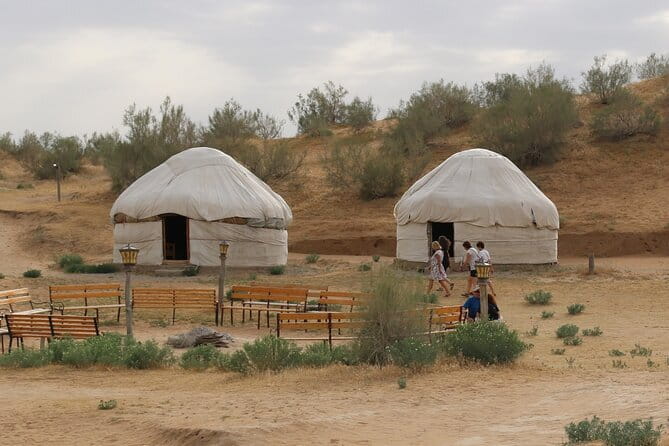
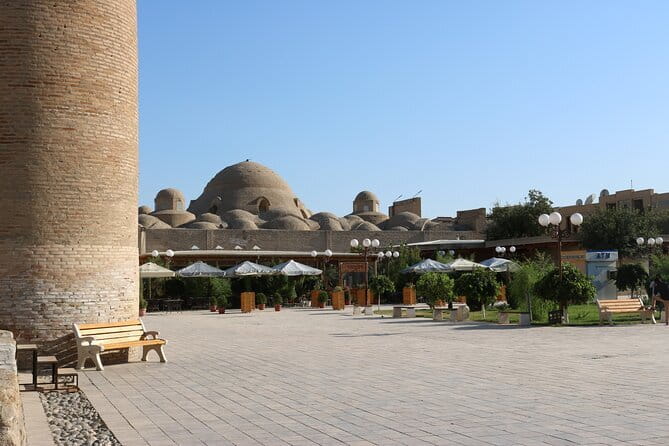
Toki Telpakfurushon receives about 20 minutes. This covered trading dome was part of Bukhara’s commercial life, and its design gives you a feel for how merchants could work under shelter from the intense sun.
The route then reaches Toki Zargaron, the Dome of Jewelers, for around 15 minutes. Dating from the sixteenth century, it was linked to gold and jewelry trading. These domes are valuable stops because they show a side of Bukhara that grand religious monuments cannot: the practical business of buying, selling, and making goods.
You may find artisan workshops along the way. The point is cultural context, not a forced purchase. That distinction is worth noting if you dislike tours built around sales pitches. This experience specifically says it does not focus on shopping.
The walking pace may feel brisk if you want long browsing time in every market area. I would treat these stops as an introduction, then return later to any workshop or shop that catches your eye.
Same stretch of the Silk Road, a different sort of day:
- Best of Bukhara: All Day Private Old Town Tour
★ 5.0 · 66 reviews - Best of Bukhara: All Day Private Old Town Tour
★ 4.9 · 62 reviews - City Tour Around Bukhara
★ 5.0 · 55 reviews - Yurt Camp Tour with Night from Bukhara
★ 3.8 · 35 reviews
Three madrasas, three different lessons
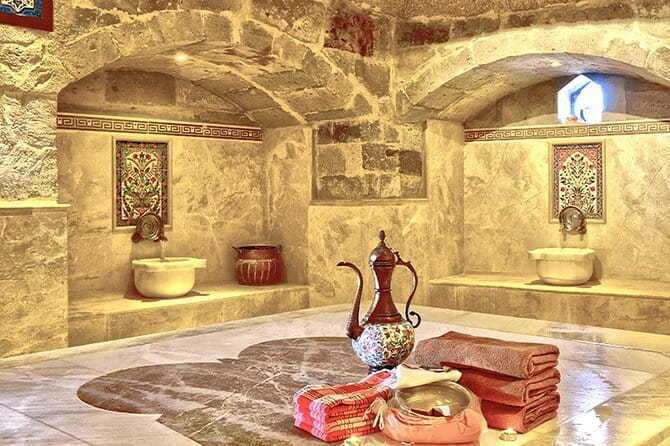
The Abdulaziz-Khan Madrasah gets about 20 minutes. Built in 1652 under Abdulaziz Khan, it is known for detailed tile work and decorative frescoes. The building gives the guide a chance to explain the visual language of Uzbek Islamic architecture and the role of religious schools in city life.
Admission is not included here. If you want to inspect the interior carefully, budget both an entry fee and extra time. The scheduled stop is enough for an overview, but not necessarily for a slow architectural study.
Next comes the Ulugbek Madrasah, with about 15 minutes. It was built by Ulugbek, the grandson of Amir Timur, and is among Bukhara’s oldest buildings. Its place on the route adds an earlier Timurid connection to the later architectural work you see at Abdulaziz-Khan.
The two madrasas work well together. Rather than seeing a series of similar doorways, you can compare different periods, rulers, and decorative choices. The shorter time at Ulugbek also keeps the overall walk moving.
Poi Kalyan, Bukhara’s grand visual payoff

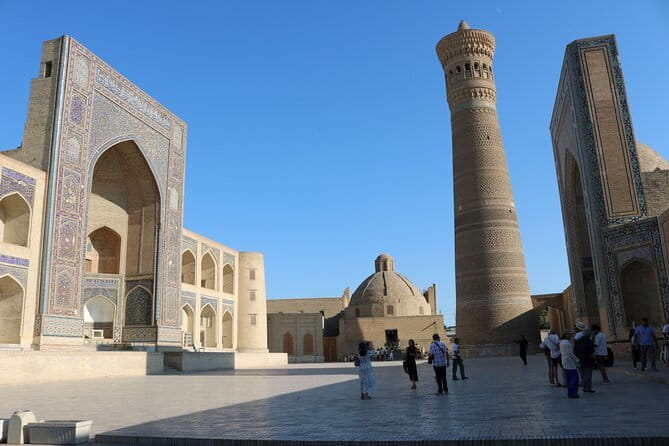
The Kalon Minaret is one of Bukhara’s unmistakable landmarks. Built in 1127 by the Karakhanid ruler Arslan Khan, it reaches about 47 meters and dominates the surrounding square.
The planned stop lasts around 20 minutes, with no entry ticket listed for the minaret itself. Your guide can help you read the structure as more than a tall tower. It served a religious purpose, but its height also made it a powerful marker for the city.
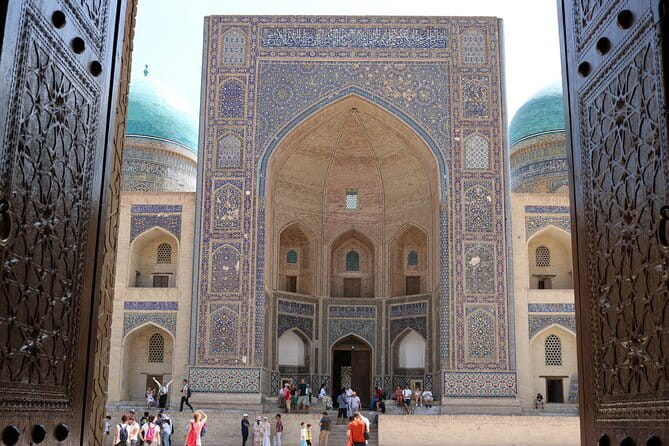
Nearby, the Miri Arab Madrasah dates from the early sixteenth century and was built by Shaybanid ruler Ubaydullah Khan for his spiritual mentor, Sheikh Ab. The tour allows about 20 minutes here. Entry to the madrasah is listed as free on the tour details, though other interior admissions along the route are not included.
Poi Kalyan Mosque completes this group of monuments. Built in the sixteenth century during the Shaybanid period, it forms the main mosque of the Poi Kalyan complex. The scheduled visit is about 15 minutes, and admission is not included.
This is the point where the tour feels most concentrated. Three major structures sit together, so you spend less time walking between them and more time comparing their scale and purpose. If you want extended photographs or quiet reflection, you may need to return independently after the tour.
The Ark Fortress, Bolo-Hauz, and the change of pace
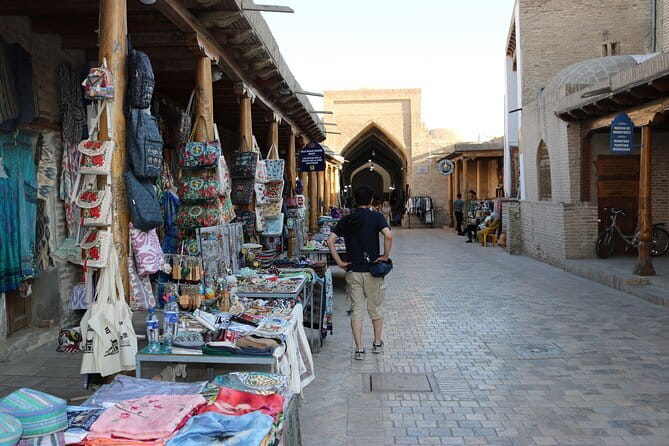
The Ark of Bukhara is an ancient fortress dating back to the fifth century. It served as a royal residence for the emirs and as a military stronghold. The tour passes the Ark and allows about 30 minutes for the stop, but the fortress museums are not part of the included route.
This detail is important. You see the Ark from outside only. Entering the museums would add about 1.5 hours, so you should not book this walking tour expecting a full fortress visit.
The exterior stop still has value. The Ark represents the political center of Bukhara, while the madrasas and trading domes show religious and commercial life. Seeing all three helps you understand how power operated across the city.
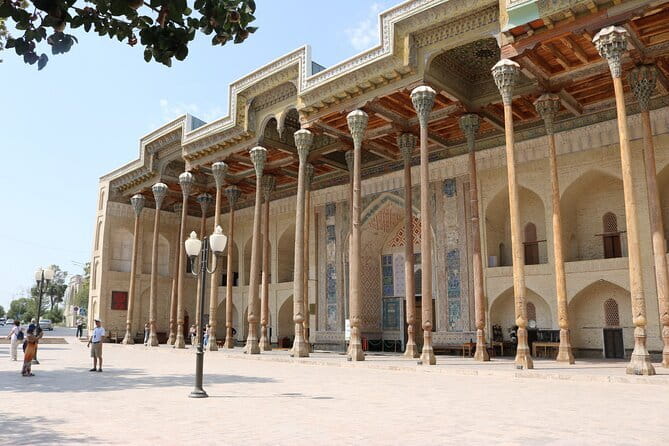
Bolo-Hauz Mosque follows, with about 15 minutes. It dates from the eighteenth to twentieth centuries and offers a different architectural mood from the older monuments. The tour ends here during late autumn and winter, so seasonal planning affects the final part of your route.
Ismail Samani Mausoleum and the final stop

In warmer seasons, the walk ends at the Ismail Samani Mausoleum. The planned visit takes about 30 minutes, and admission is not included.
The mausoleum is considered one of the oldest funerary buildings in Central Asian architecture and one of the key examples of early Islamic design. Its position at the end of the walk makes sense: after the large squares, market domes, and monumental religious buildings, you finish with a more focused structure tied to burial and dynastic memory.
The route ends at QCG2+R64, the location of the mausoleum. During late autumn and winter, it ends at Bolo-Hauz Mosque instead. Check the season when planning your next activity, especially if you need to meet a driver or catch transport.
What the guides add to the experience
The strongest part of this tour is the human explanation. Sunny is praised for making the walk interactive and for explaining Bukhara’s places and history in a way that invites questions. Nuriddin is described as fluent in English, approachable, and skilled at adding stories to the buildings.
That flexibility matters. One account describes the guide adapting the walk to questions about Uzbek traditions and habits. Another notes that Nuriddin added sites outside the planned agenda and even included a short cafe break for coffee. You should not assume every group receives the exact same additions, but the guide’s ability to respond to the group is a real benefit.
You also get online support, which can be useful before the meeting point or if you need clarification after booking. The tour confirmation is provided at booking, and most people can take part.
The main physical demand is the length. Four to four-and-a-half hours on foot is manageable for most people, but Bukhara can be very hot, and one account specifically describes walking in intense heat. Choose light clothing, bring water, and avoid scheduling a demanding activity immediately afterward.
What $28 includes, and what it does not
For $28, you receive a professional English-speaking guide, a small group, online support, and the walking route. That is a reasonable price for a half-day introduction to Bukhara, especially if you would otherwise need to research the route and arrange separate explanations at each monument.
The value is strongest if you care about context. If you only want a map and photo locations, you can see several of these sights independently. The guide earns the fee by connecting the buildings, rulers, religious institutions, trade centers, and local customs.
Plan for extra spending on entry fees. Meals and drinks are also excluded. The route includes places where you may want to return later, but this is not a shopping tour and should not be judged by the number of retail stops.
Free cancellation is available up to 24 hours before the start time. Changes made within 24 hours are not accepted, and late cancellations are not refunded. Poor weather or failure to meet the minimum group size can lead to a different date, another experience, or a full refund.
Who should book this Bukhara tour?
I would choose this walk if you are visiting Bukhara for the first time and want a clear introduction without paying private-tour prices. It suits people who enjoy architecture, Islamic history, Silk Road trade, and conversations about Uzbek customs.
It is also a good match if you want a guide who can adjust the discussion. The small group makes it easier to ask about a particular building, tradition, or daily habit instead of listening to a fixed speech from a distance.
You may prefer a different plan if you want to enter every major monument, spend a long time photographing each facade, or avoid walking for several hours. The Ark museums are excluded, several entry fees cost extra, and the route is full rather than leisurely.
FAQ
How long does the Bukhara walking tour last?
The tour lasts approximately four to four-and-a-half hours.
How many people can join the small group?
The group has a maximum of 10 participants.
What language is the tour conducted in?
The tour is conducted in English.
Is the Ark Fortress visited inside?
No. The Ark Fortress is shown from the outside only. Visiting its museums would add about 1.5 hours.
Are entrance fees included in the $28 price?
No. Entry fees, meals, and drinks are not included.
Where does the tour end?
During most of the year, it ends at the Ismail Samani Mausoleum. In late autumn and winter, it ends at Bolo-Hauz Mosque.
Should you book it?
Book this tour if you want Bukhara explained as a living city of faith, trade, scholarship, and political power. At $28, the small group and experienced English-speaking guides offer good value, particularly if Sunny or Nuriddin leads your walk.
Just set the right expectations. Bring water, allow extra money for entry tickets, and understand that the Ark is an exterior stop. If those limits suit you, this is a well-priced way to meet Bukhara’s essential sights and leave with a better sense of how they fit together.
Freshly added in Bukhara
- Private Tour in 3 top Places Outside of Bukhara City★ 5.0 · 2 reviews
- Full-Day Private Guided Tour to Islamic 7 Saints of Bukhara★ 4.5 · 3 reviews
- Bukhara: Tour Outside of Old Town. Guide with Transportation★ 5.0 · 2 reviews
- Bukhara in a Day History, Culture, and Local Insight Private Tour★ 5.0 · 4 reviews
- Discover Bukhara One Day Group Experience★ 4.5 · 2 reviews
- Bukhara Walking Tour★ 5.0 · 4 reviews
- Bukhara Hammam Bathhouse with Massage★ 5.0 · 2 reviews
- A Complete Chapter To Old Bukhara★ 5.0 · 5 reviews
Walking Tours, compared.
Samarkand: Historical Monuments Guided Walking Tour
Read our review →Khiva: Historical City Highlights Guided Walking Tour
Read our review →
Samarkand One Day Tour: one day walking & group tour
Read our review →
Khiva Historical City Highlights Guided Walking Tour
Read our review →
Samarkand: Historical Monuments Group Walking Tour
Read our review →
Tashkent Walking Tour with Local Lady / Gentleman
Read our review →Browse the lists this tour appears in