
Reviewed · WALKING TOURS
Tashkent: Hidden Gems Walking Tour with Local Snacks
Tashkent rewards curious walkers. This four-hour private tour links the city’s grand religious sights with Chorsu Bazaar, local snacks, tucked-away courtyards, and stories about the earthquake and Soviet years. I like the way it gives you both the famous and the everyday Tashkent. I also like the personal touch from guides such as Tatiana, whose enthusiasm for the city earned especially warm praise.
The main consideration is the amount of walking. You should bring comfortable shoes and water, and you may want to confirm the exact meeting and pickup details before booking. At $118 per private group of up to four, the price makes the most sense if you can fill the group rather than booking alone.
In This Review
- Key points worth knowing
- Why this four-hour walk gives you a better first look at Tashkent
- Chorsu Bazaar: Tashkent’s most enjoyable sensory stop
- Kokaldash Madrasah: a short stop with historical weight
- Khast-Imam Square and the Quran of Caliph Uthman
- Courtyards, cafes, mosaics, and rooftop views
- The included city sights beyond the core route
- What the guide adds to the experience
- Is $118 good value for up to four people?
- Practical advice for a comfortable walk
- Who should book this Tashkent walking tour?
- Should you book it?
- FAQ
- How long does the Tashkent walking tour last?
- How much does the tour cost?
- What languages are available?
- Does the tour include hotel pickup?
- Which main places are included?
- What should you bring?
Key points worth knowing
- Khast-Imam Square brings the spiritual heart of Tashkent into focus, with old religious buildings and the Quran of Caliph Uthman.
- Chorsu Bazaar is the tour’s best sensory stop, with spices, fruit, street food, and fresh non bread.
- Tatiana receives especially strong praise for her warm, enthusiastic way of explaining Tashkent.
- The tour moves beyond headline sights, adding courtyards, Soviet-era mosaics, cafes, legends, and rooftop photo views.
- A private group of up to four offers flexibility, making the $118 total price easier to justify for a small party.
- The experience combines walking and food, so it works well as an introduction to Tashkent rather than a single-monument visit.
Why this four-hour walk gives you a better first look at Tashkent
Tashkent can feel broad and spread out, with grand avenues, religious complexes, Soviet buildings, and newer city life all sharing space. A walking tour helps you connect those pieces at street level. Instead of seeing one monument and moving on, you get a sense of how the city changed and how people use it now.
The route begins in Tashkent and includes hotel pickup, while transportation to the meeting point is listed separately as not included. That wording deserves attention when you book. If pickup from your hotel is arranged, confirm the time and location in advance so you are not left guessing about the start.
This is a private tour for up to four people, with English and Russian available. A private group matters here because the experience includes food tasting, questions, photos, and short stories. You can spend more time on the parts that interest you, though the actual pace will still depend on how much ground the group covers in four hours.
The guide is the key to the experience. Tatiana received particularly warm praise for her enthusiasm and clear explanations. That matters in Tashkent, where a mosque, a Soviet mosaic, a market stall, and a quiet courtyard can each tell a different part of the city’s story.
More Walking Tours in Tashkent
- Tashkent Walking Tour with Local Lady / Gentleman
★ 4.5 · 29 reviews - Tashkent Walking & Food Tour: Highlights + Local Flavors
★ 5.0 · 18 reviews - Tashkent Walking Tour
★ 4.5 · 7 reviews
Chorsu Bazaar: Tashkent’s most enjoyable sensory stop
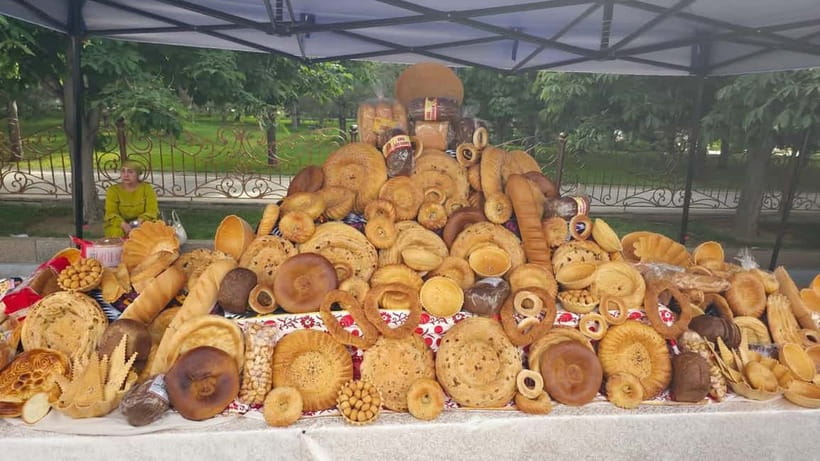
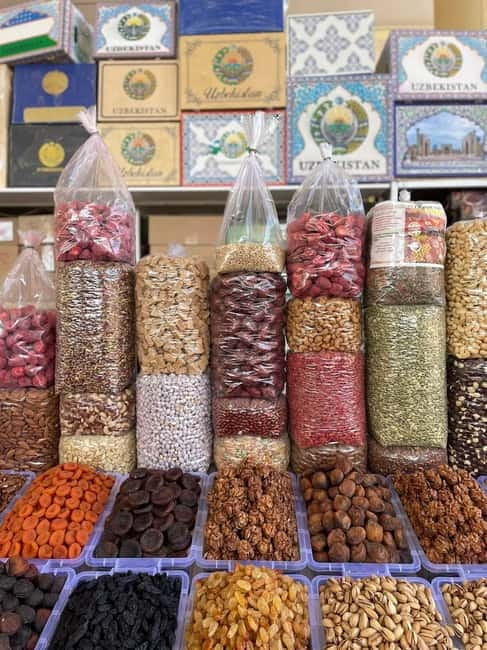
Chorsu Bazaar is where the tour becomes immediate and physical. You can expect the smell of spices, fresh fruit, and street food to replace the quiet order of the city’s formal squares. This is a place for looking closely, listening, and allowing the guide to explain what you are seeing.
The market is also where the snack tasting earns its place. The tour includes authentic local snacks and non bread, the round Uzbek bread that is part of daily food culture. The supplied description calls it the best non bread you have ever had, which is playful sales language, but the point is sound: trying bread in a market setting tells you more than simply reading about it.
You should arrive ready to taste rather than rush. Ask the guide what each snack is, how it is normally eaten, and whether the item is sweet, savory, hot, or filling. The tour information does not list every snack, so do not expect a fixed menu with named dishes. What you get may depend on the market and the day.
Chorsu can also be visually busy. If you want photographs, this is a good place to keep your camera ready, but stay aware of the walking group and market activity. The tour promises a colorful market visit, not a private food class, so the value comes from the guide’s explanations and the chance to sample local food where it is sold.
Kokaldash Madrasah: a short stop with historical weight
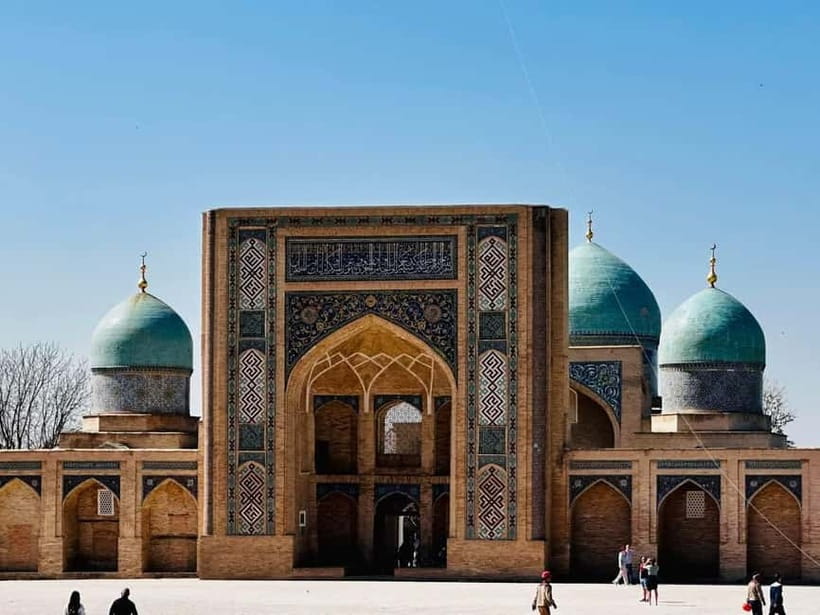
The tour allows about 20 minutes at Kokaldash Madrasah. That is enough for an introduction, exterior views, photographs, and a concise explanation of its role in Tashkent’s religious and architectural past. It is not enough for a long, quiet architectural study, so set your expectations accordingly.
This stop works well after the market because it changes the mood. Chorsu is about movement, smells, commerce, and people. Kokaldash offers a more formal setting, helping you see how faith and learning shaped the old city.
The itinerary does not specify how much of the madrasah you enter or which rooms are open during the visit. Ask your guide about access on the day. Dress respectfully for religious sites, and choose comfortable clothing that will not make a four-hour walk harder than it needs to be.
Khast-Imam Square and the Quran of Caliph Uthman
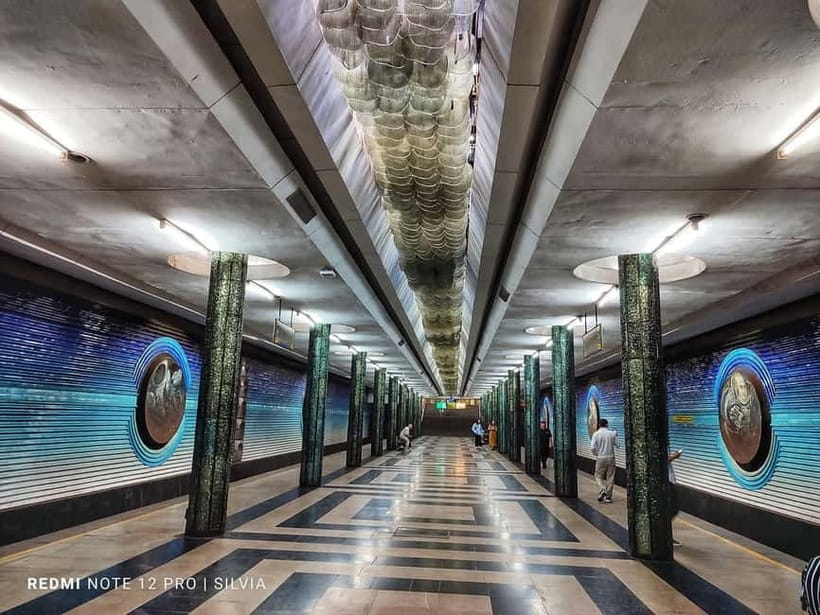
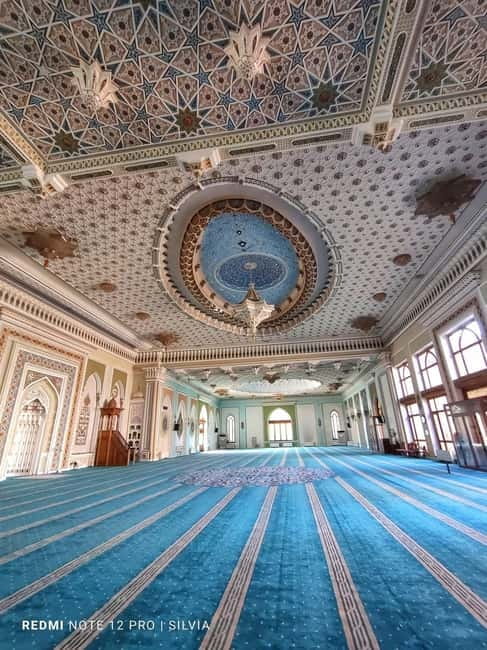
Khast-Imam Square receives about 40 minutes of guided attention and is likely the tour’s strongest historical stop. It is home to old mosques and religious buildings, along with the Quran of Caliph Uthman, one of the most important Islamic manuscripts associated with the city.
The value here is not only the sight itself. A good explanation can help you understand why the square matters to Tashkent and how religious life fits into the city’s past and present. The guide’s role is especially useful because a visitor may otherwise see a collection of impressive buildings without grasping their connections.
The Quran is a major draw, but allow room for the setting around it. Look at the design of the square, the buildings, and the way the area feels compared with the market. The tour description also points to stories passed through generations, so this is a good place to ask about local traditions and legends.
Forty minutes is a sensible amount of time for a guided introduction. If you want detailed study of every building, you will probably need a separate visit. For a first encounter, the stop should give you enough context without taking over the entire afternoon.
Same stretch of the Silk Road, a different sort of day:
- Best of Tashkent Mountains: Amirsoy, Chimgan & Charvak Trip
★ 4.8 · 567 reviews - Samarkand One Day Tour – Departure From Tashkent
★ 5.0 · 313 reviews - Tashkent City Tour
★ 5.0 · 121 reviews - Shymkent Day Tour from Tashkent
★ 4.6 · 71 reviews
Courtyards, cafes, mosaics, and rooftop views
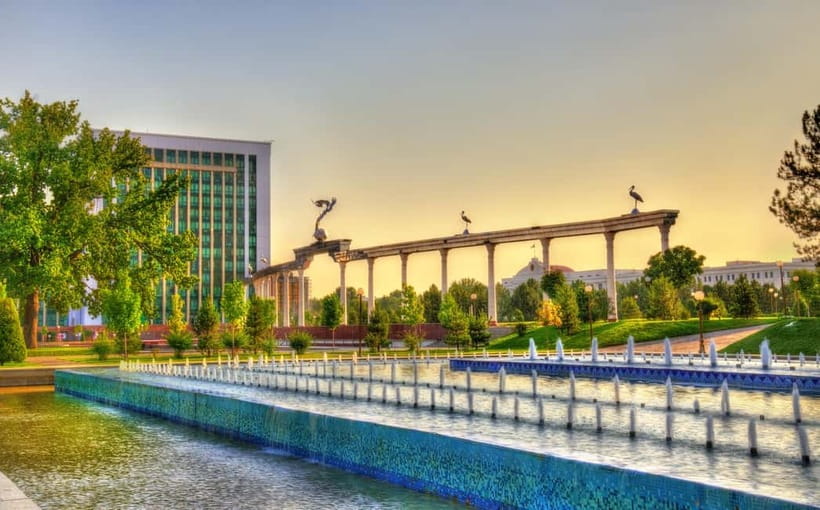
The most distinctive part of the tour may come between the major sights. The experience promises quieter courtyards, Soviet-era mosaics, secret cafes, hidden rooftops, and personal stories from someone who calls Tashkent home.
The wording does not guarantee a particular courtyard, cafe, or rooftop at every departure. These smaller stops can change with access, timing, or local conditions. Still, the idea is valuable. Tashkent is not only a collection of major monuments. Its character also appears in ordinary corners, old decorative work, and places you might walk past without a local guide.
The Soviet-era material adds another useful layer. Tashkent’s story includes the earthquake that reshaped the city, Soviet influence, and the city’s later growth into one of Central Asia’s major urban centers. A guide can connect those broad events to what you see on the street, rather than leaving them as isolated dates.
Rooftop viewpoints are also appealing for photographers. The tour promises photo-friendly views, but the precise rooftops and access arrangements are not specified. Think of them as a welcome extra, not the sole reason to book. If photography is important to you, tell the guide at the start so the group can plan enough time for pictures.
The included city sights beyond the core route
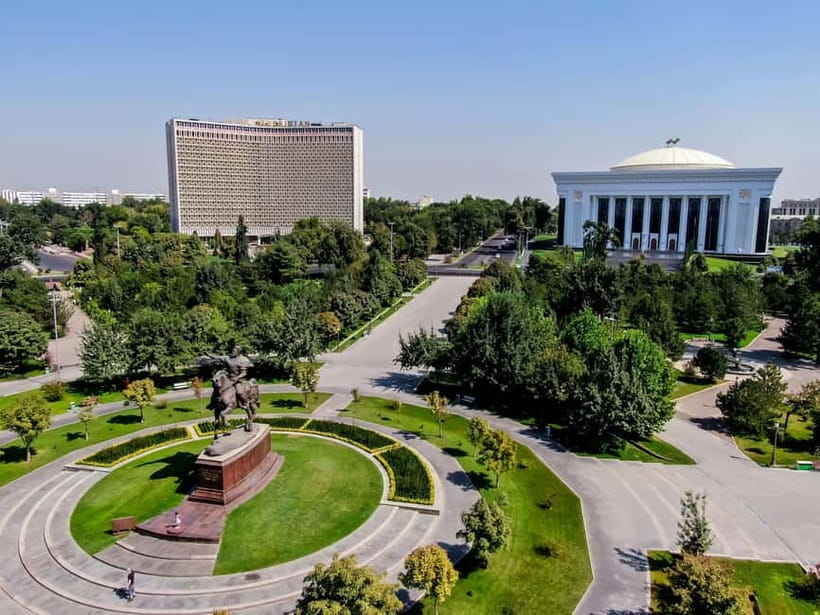
The experience also includes the Palace of Duke Romanov, the Bolshoy Theater, and Amir Temur Square. These places add a different side of Tashkent, showing imperial, cultural, and civic themes alongside the religious and market stops.
The Palace of Duke Romanov offers a look at the city’s connection with the Russian imperial period. The Bolshoy Theater brings culture into the route, while Amir Temur Square gives you a major public space associated with modern Tashkent.
The published timing specifically gives 40 minutes for Chorsu Bazaar, 20 minutes for Kokaldash Madrasah, and 40 minutes for Khast-Imam Square. It does not provide separate timings for the palace, theater, or square. That means you should ask how these sights fit into the four-hour schedule. They may be viewed during the walking route or covered more briefly than the three named itinerary stops.
This is not a weakness if you want a broad introduction. It can become a drawback if you prefer long visits inside museums or buildings. The tour is designed to connect many parts of the city, not to provide an in-depth study of one site.
What the guide adds to the experience
A local guide can make a major difference in Tashkent. The route includes facts about the earthquake, Soviet change, religious sites, market life, and local legends. Those subjects are easier to remember when connected to streets, buildings, and personal stories.
Tatiana received the strongest praise in the supplied feedback. Tanis described her as wonderful, enthusiastic, and deeply connected to Tashkent, while Alexander Owen praised the clear explanations and interesting content. That suggests the guide’s personality is a major part of the value.
Of course, guide quality can vary by departure. The provider is Tashkent city tour, and the available languages are English and Russian. If you need English, select it when booking and confirm it before the tour begins. A strong language match matters because much of the experience depends on stories rather than sightseeing alone.
I would also use the private format to ask direct questions. You might ask how the earthquake changed the city, what Soviet features to look for, which snack is most typical, or how the religious sites are used today. A small group makes those questions easier than they would be on a large shared walk.
Is $118 good value for up to four people?
The listed price is $118 per group, not per person, for up to four people. Split four ways, that is $29.50 each for four hours. For two people, it becomes $59 each, and for one person it is a much higher personal cost.
That pricing makes the tour best for couples, families with older children, or a small group of friends. You are paying for a private guide, snack tasting, hotel pickup, and a broad city route. The value is strongest if you want conversation and flexibility rather than the lowest possible price.
Personal expenses are not included, so bring money for anything you choose to buy at the market or elsewhere. Transportation to the meeting point is also listed as not included, despite hotel pickup being offered, so clarify that detail before you pay.
The tour also offers free cancellation up to 24 hours before the start and a reserve-now, pay-later option. Those terms reduce some booking risk, especially if your Tashkent schedule is still changing.
Practical advice for a comfortable walk
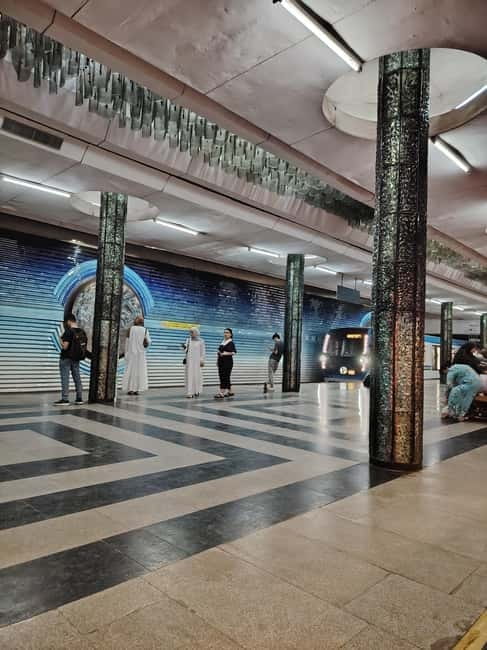
Wear comfortable shoes. This is simple advice, but it is the most important preparation for four hours on foot across markets, squares, religious sites, and city streets.
Bring water and a camera. Water helps you stay comfortable during the walking sections, while a camera is useful at Chorsu, Khast-Imam, the city squares, mosaics, and any rooftop viewpoint available that day.
Dress respectfully for the religious sites. The provided information does not set out a specific dress code, but modest clothing is a sensible choice when visiting mosques and the Khast-Imam area.
The tour is not suitable for babies under one year or people over 95. That does not explain every accessibility issue, so anyone with mobility concerns should ask the provider about the walking route, surfaces, and rest opportunities before booking.
Who should book this Tashkent walking tour?
I would recommend it to first-time visitors who want a fast but meaningful introduction to the city. It suits people who enjoy markets, food, architecture, local stories, and photography more than a long museum session.
It is also a good fit if you want to understand how old religious sites, Soviet-era traces, and present-day city life sit together. The itinerary moves across several subjects, which makes it useful early in a Tashkent stay.
You may want a different experience if you dislike walking, avoid market food, or want a tightly timed architectural tour. The route includes a lot in four hours, and some included sights may receive only brief attention.
Should you book it?
Book this tour if you can share the $118 cost with a small group and want a local introduction built around food, stories, and street-level details. The strongest reasons are the Khast-Imam visit, Chorsu snacks, the Quran of Caliph Uthman, and the warm guide style praised in particular for Tatiana.
Before booking, confirm the hotel pickup arrangement, the exact time given to the Palace of Duke Romanov, Bolshoy Theater, and Amir Temur Square, and the snack details. If those points suit your plans, this is a practical way to get your bearings and see more than the standard postcard sights in one half-day.
FAQ
How long does the Tashkent walking tour last?
The tour lasts four hours.
How much does the tour cost?
The price is $118 per private group of up to four people.
What languages are available?
The tour is available with a live guide in English or Russian.
Does the tour include hotel pickup?
Hotel pickup is included from your hotel. Transportation to the meeting point is listed as not included, so confirm the exact arrangement when booking.
Which main places are included?
The experience includes Chorsu Bazaar, Kokaldash Madrasah, Khast-Imam Square, the Palace of Duke Romanov, the Bolshoy Theater, and Amir Temur Square.
What should you bring?
Bring comfortable shoes, water, and a camera. The tour includes substantial walking and photo opportunities.
Freshly added in Tashkent
- Uzbek Brews & Views: Tashkent Craft Beer Discovery Tour★ 5.0 · 2 reviews
- Uzbekistan Tour – 6 Days 5 Nights★ 5.0 · 4 reviews
- Tashkent International Airport (TAS) to Tashkent – Arrival Private Transfer★ 5.0 · 2 reviews
- 8-Day Private Tour in Uzbekistan with Pick Up★ 5.0 · 2 reviews
- Tashkent-Samarkand-Bukhara tour-3nights/4 days★ 5.0 · 5 reviews
- Tashkent Food and Metro Journey★ 5.0 · 4 reviews
- Private Intercity Transfer Tashkent – Samarkand – Tashkent★ 3.5 · 3 reviews
- Tashkent Mountain Tour Amirsoy with Transport★ 3.5 · 3 reviews
Walking Tours, compared.
Samarkand: Historical Monuments Guided Walking Tour
Read our review →Khiva: Historical City Highlights Guided Walking Tour
Read our review →
Samarkand One Day Tour: one day walking & group tour
Read our review →
Khiva Historical City Highlights Guided Walking Tour
Read our review →
Samarkand: Historical Monuments Group Walking Tour
Read our review →
Tashkent Walking Tour with Local Lady / Gentleman
Read our review →Browse the lists this tour appears in