
Reviewed · UZBEKISTAN
Fergana Valley 2-Day Private Tour
Look beyond the famous Silk Road cities. This private Fergana Valley tour gives you two useful things: close access to local crafts and a practical way to cover five very different places without arranging transport between them yourself. You move from Kokand’s tiled palace and mosque to Rishtan pottery, Kuva ruins, and Margilan silk.
I also like the small private format, priced at $250 for a group of up to three. Sardorbek receives especially strong praise for making the experience enjoyable and for helping visitors reach local craft and manufacturing sites. The main consideration is pace: sightseeing takes only about six hours across two days, while much of the schedule is spent on the road.
In This Review
- Key Points to Know Before You Book
- Why the Fergana Valley Deserves Two Days
- Kokand’s Khan Palace and Jami Mosque
- Rishtan Pottery and the Work of Local Ceramics
- Fergana City and Ahmad al-Ferghani
- Kuva’s Hilltop Ruins and Silk Road Past
- Margilan and the Natural Silk Tradition
- What the $250 Price Really Covers
- Timing, Comfort, and Who Will Enjoy It
- Booking Advice and Cancellation Terms
- Should You Book This Fergana Valley Tour?
- FAQ
- How much does the Fergana Valley tour cost?
- How long does the experience last?
- Which places are included in the route?
- Is transportation included?
- Are entrance tickets included?
- Where does the tour start and end?
- What is the cancellation policy?
Key Points to Know Before You Book
- Kokand begins the tour with grand architecture: The Khan Palace and Jami Mosque give you the strongest visual start.
- Rishtan is the craft highlight: You can see the Fergana Valley’s famous blue pottery tradition and the workshops that still produce everyday dishes.
- Margilan focuses on natural silk: The two-hour visit offers the best chance to understand dyeing and hand production.
- The route is private for up to three people: You avoid a large group and can travel with only your own party.
- The tour ends in Margilan: This is useful if your onward plans include the city or its train station.
- The price covers transport and a local guide: Food, accommodation, and entrance tickets cost extra.
Why the Fergana Valley Deserves Two Days
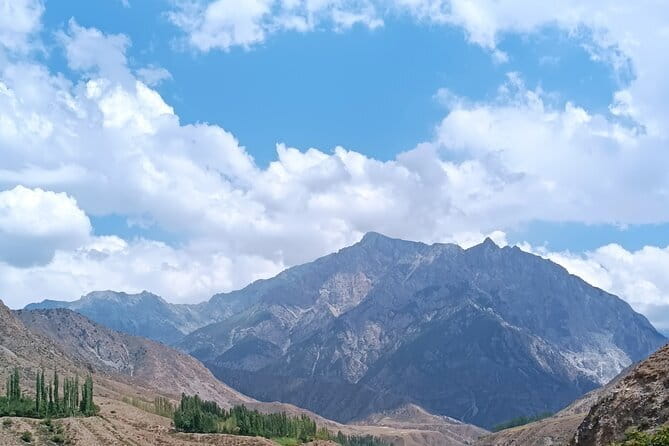
Samarkand and Bukhara receive most of the attention in Uzbekistan, but the Fergana Valley shows a different side of the country. Here, the focus shifts from monumental Silk Road architecture to daily work, household crafts, farming, textiles, and regional traditions.
I like this change of subject. You are not simply collecting another grand square or blue-tiled façade. You are seeing how pottery is shaped and used, how silk is colored, and how older settlements fitted into the trade routes of Central Asia.
The route covers Kokand, Rishtan, Fergana, Kuva, and Margilan. These places are not arranged as a tight walking tour. They are spread across the valley, so the vehicle matters. The advertised sightseeing time totals about six hours, but the full two-day experience includes the transport between stops.
That makes this a better choice for you if you want a broad introduction to the valley rather than long, slow visits in one city. It also helps if you prefer having a local guide and private transportation instead of piecing the route together by train, taxi, and local connections.
Other Uzbekistan trips travellers line up with this one:
- Best of Tashkent Mountains: Amirsoy, Chimgan & Charvak Trip
★ 4.8 · 567 reviews - Samarkand: Historical Monuments Guided Walking Tour
★ 4.8 · 446 reviews - Samarkand One Day Tour – Departure From Tashkent
★ 5.0 · 313 reviews
Kokand’s Khan Palace and Jami Mosque
The first day begins in Kokand, one of the valley’s key historic cities. The opening stop is the Khan Palace, reached by walking through a park before arriving beside one of the city’s most striking buildings.
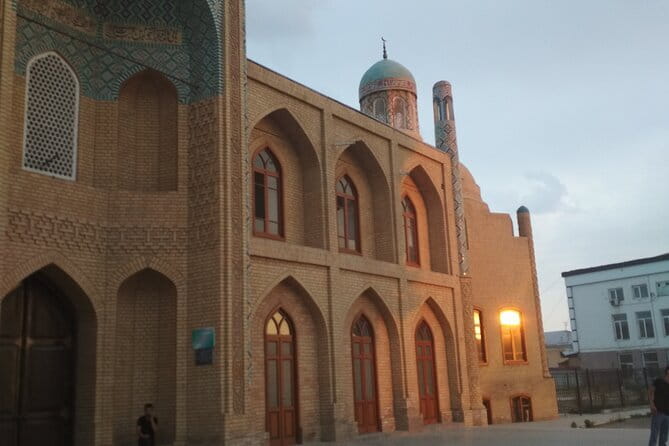
The palace is known for its extensive mosaic and majolica decoration. The appeal is not only the size of the building, but the surface work. You get layers of color and detailed patterns created by local craftsmen, with the palace presenting a very different style from the simpler streets and modern parts of the city.
You have about one hour here. That is enough to see the main architectural features without turning the visit into an all-day museum stop. Admission is not included, so keep a little extra money ready for entrance fees.
From the palace, the tour continues to Jami Mosque in central Kokand. Built in the 19th century, it is known for its 98 sharply formed columns. The columns are the main visual feature, and they give the mosque a strong sense of scale without relying on the elaborate tilework seen at the palace.
You get about 50 minutes at the mosque. I find that timing sensible for a short architectural visit, though anyone interested in Islamic design, local building methods, or religious history may want more time than the schedule allows.
The two Kokand stops work well together. The palace emphasizes decoration and royal power. The mosque shows the skill of local builders through its repeated columns and open interior design. Together, they give you a quick but useful introduction to the city.
A practical point: entrance tickets for both sites are extra. Since admission costs are not specified, you should treat the $250 tour price as covering the guide and vehicle, not every expense during the day.
Rishtan Pottery and the Work of Local Ceramics
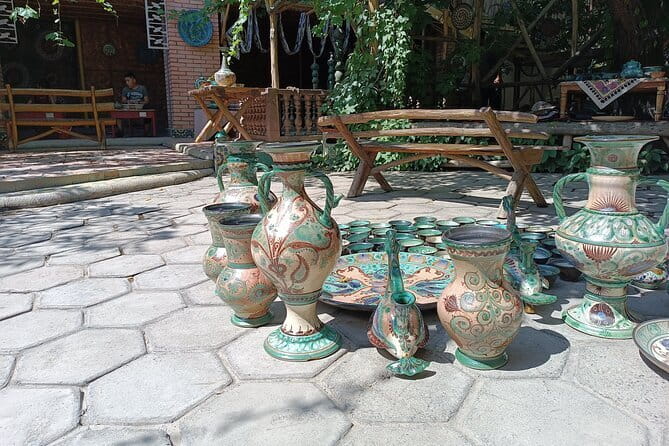
Rishtan changes the mood completely. Instead of looking at finished monuments, you turn to a craft that still serves ordinary life.
Rishtan has been known for pottery production for more than 900 years. The town is associated with brightly colored ceramics, especially blue designs used on plates, bowls, cups, and jugs. You may see pieces called lyagans, which are used for pilaf, along with soup bowls, tea cups, and kuza jugs.
This is one of the most useful stops for anyone who likes buying crafts with a clear purpose. These are not only display objects. The pottery is connected to food, tea, and household routines, so the visit gives you a better sense of how local art fits into daily life.
The scheduled visit lasts about an hour, and admission is free. Several workshops in the town produce these wares, and the tour is designed to show you that ongoing craft tradition rather than only an old museum collection.
I would keep your expectations practical. The information does not promise a formal class, a pottery-making lesson, or a guaranteed purchase opportunity. You are going to a center of ceramic production and craft workshops. If you want to buy something, ask Sardorbek about the best place and how to pack it safely.
Rishtan is also where the tour begins to feel especially personal. A large monument can tell you about a ruler or a period. A working craft tells you what people still make, use, and pass on.
Fergana City and Ahmad al-Ferghani
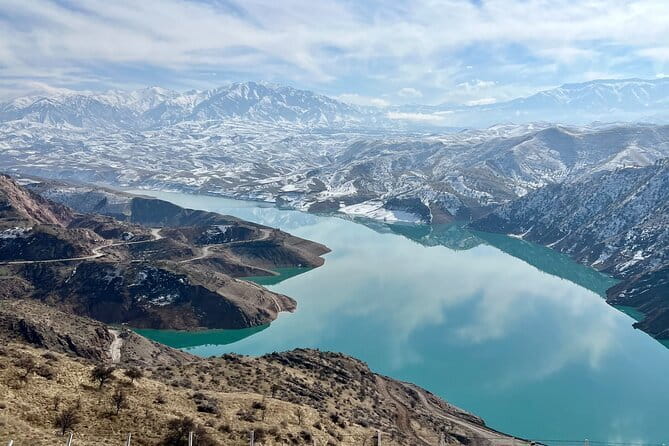
Day two begins in Fergana city. The central point of interest is a monument to Ahmad al-Ferghani, a 9th-century scientist, astronomer, and mathematician who is regarded as a major local figure.
The stop lasts about 50 minutes and is free. You will also see examples of Russian-period colonial architecture in the area. This gives the city a different character from Kokand, where the palace and mosque dominate the visit.
Fergana is not presented as a long museum stop. Instead, you get a brief look at the city center, its public monument, and its architectural layers. That short visit works best if you want orientation and context before continuing through the valley.
I would not choose this tour solely for Fergana city. The city stop is useful, but its strength is how it connects the major themes of the route: science, old trade links, local identity, and the mixed architectural past of the region.
Same stretch of the Silk Road, a different sort of day:
- Khiva: Historical City Highlights Guided Walking Tour
★ 4.8 · 156 reviews - Private Samarkand City Tour With Transportation
★ 5.0 · 149 reviews - A City Tour Of Samarkand: The Pearl Of The East
★ 5.0 · 133 reviews - Tashkent City Tour
★ 5.0 · 121 reviews
Kuva’s Hilltop Ruins and Silk Road Past
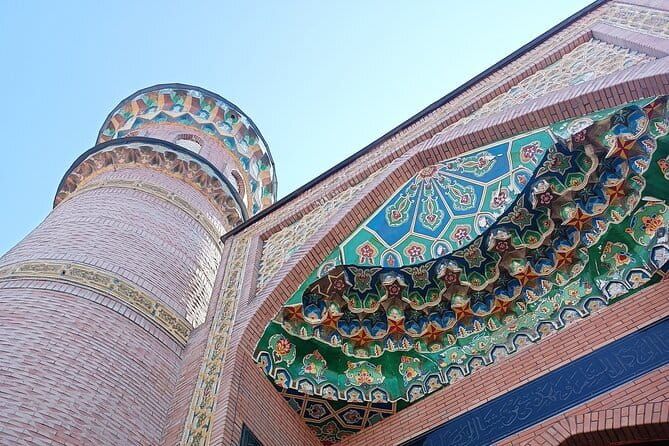
Kuva offers the most visibly archaeological stop. In the old part of the city, a hill contains the remains of an ancient settlement, including what was once a citadel and shakhristan, the central urban area.
You get about 40 minutes here, with no admission fee listed. The ruins and excavations show that Kuva once held an important place on the old Silk Road. The city later failed to withstand the Mongol invasion, leaving the remains as evidence of a settlement that once had greater weight in the region.
This stop needs the right expectations. You will not find a fully rebuilt city or a long sequence of intact monuments. The value comes from the exposed ruins, the hilltop setting, and the chance to picture how a fortified settlement functioned along a major route.
For me, Kuva is a useful pause between the living craft centers. Kokand gives you restored architecture. Rishtan and Margilan show working traditions. Kuva reminds you that the valley also contains layers of older cities that survive mainly through excavation.
The 40-minute visit is short, but that may suit you if you prefer a varied route. If archaeology is your main interest, you may wish the schedule allowed more time.
Margilan and the Natural Silk Tradition
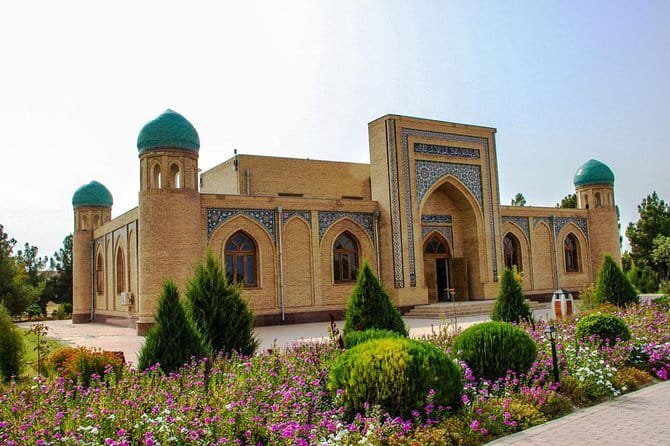
The longest stop is Margilan, with two hours devoted to natural silk production. This is the tour’s strongest craft experience and one of its clearest reasons for visiting the Fergana Valley.
Margilan is known as a center of natural silk production. You can expect to learn about fabric dyeing with natural colors and see the continuation of handcraft production. The range of colors is described as broad and varied, but the real point is the method: fabric is colored through traditional processes rather than treated as a simple factory product.
I like that the tour includes both pottery and silk. The two crafts show different materials, different techniques, and different uses, yet both remain linked to everyday life and local commerce.
Two hours gives you more breathing room than the shorter city stops. You can look carefully at the cloth, follow the production process, and ask questions through the guide. The supplied details do not promise that every stage of silk production will be demonstrated, so you should think of this as a visit to a silk-making tradition rather than a guaranteed full production course.
The tour ends in Margilan, with the stated end point near the train station. That can make the route especially practical if you want to continue from Margilan rather than return to Kokand. Confirm the exact drop-off arrangement with Sardorbek before departure, since the meeting information includes both a local address and a train station reference.
What the $250 Price Really Covers
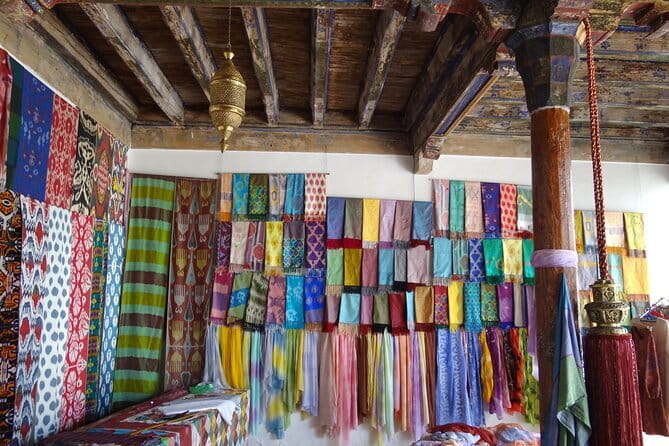
The tour costs $250 per group of up to three people. For one person, that is a private experience at a relatively high individual cost. For three people sharing the vehicle, it works out to about $83 per person before food, entrance tickets, and accommodation.
The value comes from the private transport and local guide. You are paying to connect several towns across the valley without arranging each leg yourself. You also avoid joining a large group, which can make craft visits and short city stops easier to manage.
The price does not include meals, lodging, or entrance tickets. The tour description does not specify the vehicle type, hotel arrangements, or meal stops, so you should plan those separately. If you are staying overnight in the valley, ask the provider where the second day begins and where the vehicle collects you.
The route starts at AvgoMoyka Tango in Kokand and ends in Margilan. Pickup is offered, but the exact pickup details should be confirmed when booking. The experience has a mobile ticket, and confirmation is normally issued at booking unless you book within two hours of departure.
Timing, Comfort, and Who Will Enjoy It
The schedule is private, but it is not leisurely. The sightseeing stops total about six hours, and the remaining time is for transport. You should be ready for a road-based tour with several short visits rather than a slow stay in one place.
I would recommend it most to:
- People visiting Uzbekistan who want to add the Fergana Valley to a Samarkand and Bukhara route
- Small groups of up to three who value private transportation
- Anyone interested in pottery, textiles, food culture, and working crafts
- Visitors who want to finish in Margilan rather than return to Kokand
- Curious first-time visitors who want a broad introduction to several valley towns
It may suit you less if you want long museum visits, extended free time, or a detailed archaeological survey. The schedule is designed for coverage. You see many places, but none receives a full day.
Most people can participate, and service animals are allowed. The tour is near public transportation, which may help with arrival or departure, though the information does not specify a full accessibility plan.
Sardorbek is the named experience provider, and his strongest praised quality is his role in connecting people with local craftsmen and production sites. That matters here because the craft visits are not decorative add-ons. They are central to the tour’s purpose.
Booking Advice and Cancellation Terms
You can cancel for a full refund if you do so at least three full days before the local start time. Cancellations within three days are not refunded, and changes inside that period are not accepted.
I would book only after checking three practical points: the exact pickup location, where you will stay overnight, and whether you want to pay entrance fees in local currency. Since the tour crosses several cities, a clear meeting plan will save time.
If you are booking close to departure, confirmation may take longer. Bookings made within two hours of travel are subject to availability, with confirmation sent as soon as possible.
Should You Book This Fergana Valley Tour?
Book it if you want the valley’s variety in a compact private trip. The strongest combination is Kokand’s palace and mosque, Rishtan’s blue pottery, Kuva’s ruins, and Margilan’s silk production. You get architecture, archaeology, science, and working crafts in one route.
I would be especially comfortable recommending it to a group of two or three. The cost becomes more reasonable when shared, and private transport is useful because the towns are spread out.
Skip it if you want a relaxed schedule with long visits at each site. The tour covers ground, and transport takes a large part of the two days. But if your aim is to understand why the Fergana Valley is more than a side trip from Uzbekistan’s famous Silk Road cities, this is a focused and worthwhile choice.
FAQ
How much does the Fergana Valley tour cost?
The tour costs $250 per group of up to three people. Food, accommodation, and entrance tickets are not included.
How long does the experience last?
The tour lasts approximately two days. About six hours are allocated to sightseeing, while the remaining time is used for transportation between locations.
Which places are included in the route?
The route includes Kokand’s Khan Palace and Jami Mosque, Rishtan, Fergana city, Kuva, and Margilan.
Is transportation included?
Yes. Private transport and a local guide are included. The tour is private, so only your group participates.
Are entrance tickets included?
No. Entrance tickets are not included. The Rishtan, Fergana, and Kuva stops are listed as free, while tickets for the Khan Palace and Jami Mosque are extra.
Where does the tour start and end?
The stated start point is AvgoMoyka Tango in Kokand. The stated end is in Margilan, with the meeting information also referring to the train station.
What is the cancellation policy?
You receive a full refund if you cancel at least three full days before the local start time. Cancellations or changes made within three days are not accepted or refunded.
Freshly added in Uzbekistan
- Uzbek wedding ceremony★ 5.0 · 2 reviews
- Wine tour in Samarkand (Baguizagan) English★ 5.0 · 2 reviews
- Traditional Khiva Cooking Class with Market Visit & Lunch★ 5.0 · 4 reviews
- Uzbek Brews & Views: Tashkent Craft Beer Discovery Tour★ 5.0 · 2 reviews
- Uzbekistan 6 Days Private Tour Khiva-Bukhara-Samarkand by Train★ 5.0 · 4 reviews
- Urgench Airport / Railway Station – Khiva Transfer★ 3.0 · 2 reviews
- Uzbekistan Tour – 6 Days 5 Nights★ 5.0 · 4 reviews
- Tashkent International Airport (TAS) to Tashkent – Arrival Private Transfer★ 5.0 · 2 reviews