
Reviewed · HIKING & TREKKING
Hiking tour to Hayat, Uhum and Asraf villages – 4 days
The mountains begin beyond the tiled courtyards. This four-day hike links Hayat, Uhum, Asraf, and Eski Forish, giving you a close look at village life in Uzbekistan rather than another quick city stop. I like the small group of no more than 12 and the careful transport plan from Bukhara to Samarkand. I also like that meals and homestays are included, so the $380 price covers much of the trip’s real cost.
The main consideration is physical effort. You will walk about 34 kilometers over three hiking days, with routes lasting four to five hours. The paths are described as manageable for most people, but this is still a mountain trip, not a gentle sightseeing outing. You should also confirm the exact morning meeting time, since the schedule gives both 8:30 and 9:00.
In This Review
- Key points to know before booking
- Why this four-day route is different
- Day 1: The long road from Bukhara to Hayat
- Day 2: From Hayat toward Uhum on a 12-kilometer trail
- Day 3: Uhum, watermill, and fortress ruins on the way to Asraf
- Day 4: Eski Forish and the final transfer to Samarkand
- What the $380 price really covers
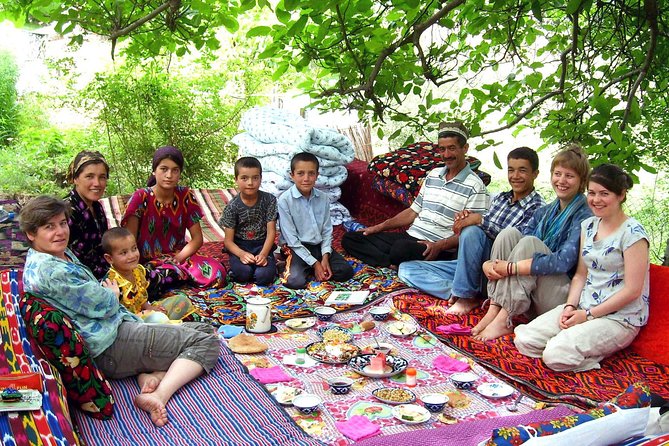
- Food, homestays, and the human side of the trip
- Fitness, packing, and group expectations
- Weather, cancellations, and who should book
- FAQ
- Where does the tour start?
- Where does the tour finish?
- How long is the tour?
- How far do you hike?
- Are meals and accommodation included?
- How many people can join the tour?
- Should you book the Hayat, Uhum, and Asraf hike?
Key points to know before booking
- A rare cross-country route: Begin in Bukhara and finish at Gur Amir Mausoleum in Samarkand, with the Nuratau Mountains between them.
- Three village stays: Sleep in local homestays in Hayat, Uhum, and Asraf rather than standard hotels.
- History along the trail: See ancient irrigation channels, petroglyphs, a community watermill, Mongol fortress ruins, and a medieval lookout point.
- Your luggage travels separately: Donkeys carry bags during the move from Uhum to Asraf, leaving you to hike with less weight.
- Meals are included: You can also help your hosts prepare Uzbek food if you want a more hands-on cultural experience.
- Wildlife with a conservation angle: The route includes a chance to see endangered wild sheep.
Why this four-day route is different
Many Uzbekistan itineraries run from one grand city to the next. Bukhara, Samarkand, and Khiva deserve that attention, but the country is more than blue tile and monumental courtyards. This tour takes you into the Nuratau Mountains, where small villages and mountain paths become the main event.
The route also solves a common travel problem. Remote villages are hard to reach independently, especially when you need transport, meals, overnight stays, and a way to move your bags. Here, the guide and driver handle the complicated parts while you concentrate on walking and talking with local people.
The experience is intimate without being private. The group limit is 12 people, enough for company on the trail but small enough to avoid the feel of a large coach tour. A 4.9 rating from 12 published reviews and a 100 percent recommendation record suggest that the strongest points are consistent: friendly guides, reliable drivers, welcoming host families, good food, and well-managed logistics.
More hiking out of Bukhara:
- 2 Day Ukhum Hiking Tour from Bukhara
★ 5.0 · 4 reviews - Yurt stay and Hiking in the Nurata Mountains tour – 2 days
★ 5.0 · 35 reviews - From Tashkent: Chimgan Valley Hiking Day Trip
★ 4.9 · 24 reviews
Day 1: The long road from Bukhara to Hayat
Your morning begins at the statue of Khodja Nasreddin beside Lyabi Haus Pool in Bukhara. The schedule gives an 8:30 meeting time at the statue, while the general meeting information says 9:00. That difference is small but important. Confirm it before departure, and arrive early with water and anything you need during the drive.
The transfer to Hayat takes about four and a half hours. This is not a quick hop into the hills, so treat the first day as a travel day with a village arrival rather than a full hiking day. You are leaving Bukhara’s dense historic center for the quieter Nuratau region.
The plan is to reach Hayat around lunchtime, settle into the homestay, and eat there. This first meal matters. It gives you a chance to meet the family hosting you and get used to the simple rhythm of village life before walking farther into the mountains.
Homestays are one of the tour’s strongest features. You sleep in local homes rather than an anonymous hotel, and you may help prepare Uzbek dishes if you choose. That invitation turns dinner into more than a meal. It can become a practical way to learn how families cook and how daily life works in the villages.
The first day is also a good test of the trip’s pace. If a four-and-a-half-hour transfer followed by village activity feels comfortable, the next days should suit you. If you need a lot of personal space or dislike basic accommodation, you should think carefully before booking.
Day 2: From Hayat toward Uhum on a 12-kilometer trail
The second day brings the first substantial walk. You meet your mountain guide in the morning and hike about 12 kilometers to Uhum, a route expected to take roughly five hours.
The distance is moderate on paper, but mountain walking depends on the path and the pace. You should expect a full outdoor day, not a short stroll between attractions. Wear shoes suitable for uneven ground, carry water, and keep your day bag light.
What makes this route worthwhile is the mix of nature and human history. Along the way, you visit old irrigation channels that show how villagers have managed scarce mountain water. These channels are not just photo stops. They help explain why settlements could survive in dry country and why water remains central to village life.
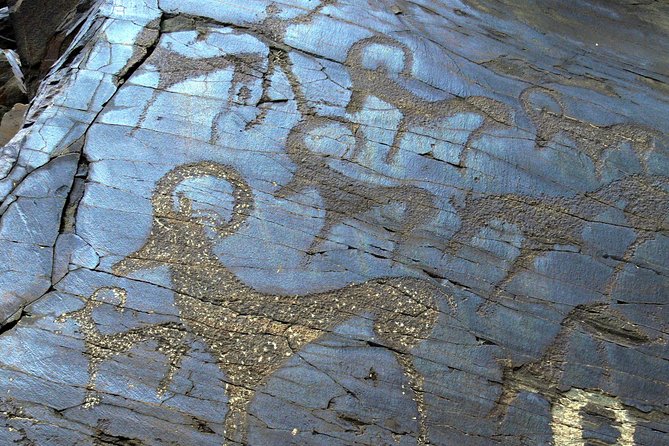
The trail also includes a petroglyph site. Rock carvings add a different time scale to the day, taking you beyond the more familiar Islamic architecture of Bukhara and Samarkand. Your guide provides context that would be hard to find while walking alone.
You also meet local people going about their daily routines. That contact is a key part of the tour’s appeal. The route is not built around a polished cultural performance. Instead, the setting lets you see how mountain communities live and move through their own surroundings.
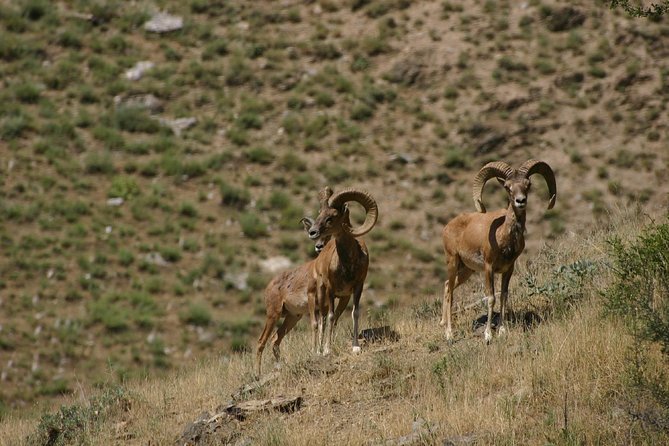
The chance to see endangered wild sheep adds a wildlife element, though you should treat it as a possibility rather than a guarantee. Animal sightings depend on conditions and luck. The value is also in reaching a place where these animals live, not only in checking off a sighting.
You spend the night in Uhum. As with Hayat, the homestay gives the day a human finish. After several hours outside, a local meal and a quiet village setting can feel more rewarding than returning to a city hotel.
Day 3: Uhum, watermill, and fortress ruins on the way to Asraf
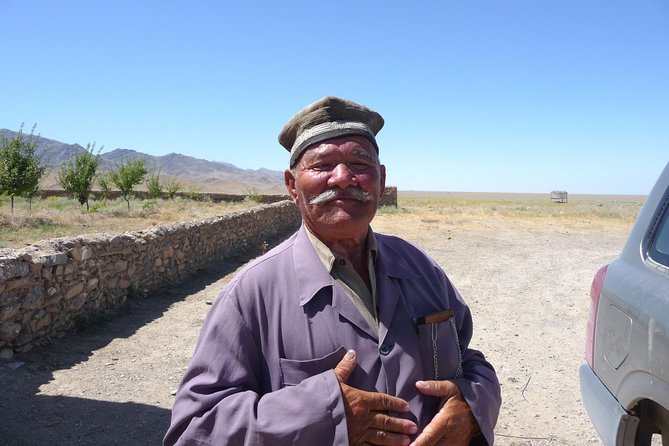
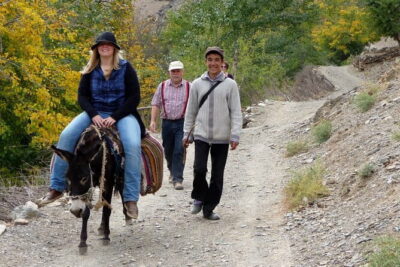
On the third morning, pack your belongings and set out for Asraf. The hike covers about 11 kilometers and takes around four and a half hours. Your luggage is transported by donkeys, which is a useful detail, not a novelty to overlook.
You still need to carry a day pack with water, sun protection, personal medicine, and anything you want during the walk. Pack your main bag so it can be transported securely and keep valuables with you. The donkey arrangement means you can focus on the trail without hauling all your belongings uphill and downhill.
The route passes through Uhum before continuing toward Asraf. One of the stops is a community watermill. This offers another look at the practical systems that support village life. Paired with the irrigation channels from the previous day, it gives the trip a clear theme: you are seeing how people have used water, land, and local resources over time.
You also visit ruins of a Mongol fortress. The remains will not provide the polished grandeur of a major Uzbek monument, and that is part of the point. These are atmospheric sites that make sense when explained on location. A guide can connect the ruins to the route and the surrounding villages in a way a quick photograph cannot.
The walking day ends in Asraf, where you arrive at the homestay and have lunch. The wording of the schedule suggests a village arrival after the morning walk, followed by time to settle in. Depending on the group’s pace and local arrangements, the afternoon may be fairly relaxed compared with the hiking itself.
Food is included throughout the trip, which makes the price easier to judge. You do not need to budget separately for the listed meals, and you avoid the daily task of finding food in remote places. The meals also support the homestay experience, since eating with local families is part of the cultural exchange.
Same stretch of the Silk Road, a different sort of day:
- Best of Bukhara: All Day Private Old Town Tour
★ 5.0 · 66 reviews - Best of Bukhara: All Day Private Old Town Tour
★ 4.9 · 62 reviews - City Tour Around Bukhara
★ 5.0 · 55 reviews - Bukhara Full Day Old City Private Tour
★ 5.0 · 46 reviews
Day 4: Eski Forish and the final transfer to Samarkand
The last day begins with an easier hike from Asraf to Eski Forish and back. The return route covers about 11 kilometers in total and takes around five hours.
Calling it easy does not make it effortless. After two earlier hiking days, your legs may feel the distance. Still, the out-and-back format has one practical benefit: you return to Asraf rather than carrying all your possessions to another overnight stop.
The route visits the ruins of a medieval observation point. Like the fortress and petroglyph site, this stop adds layers to the mountain setting. You get traces of earlier settlement, defense, farming, and communication rather than one isolated monument.
After returning to Asraf, you have lunch before leaving for Samarkand. The transfer makes this tour particularly useful for a wider Uzbekistan itinerary. You do not need to return to Bukhara, and you can continue directly toward Samarkand.
The tour ends at Gur Amir Mausoleum, also called the Amir Temur Mausoleum, on Universitetskiy Boulevard. That is a smart finish because it places you near one of Samarkand’s major sights, though the tour itself does not describe a guided visit inside the mausoleum. Plan your later sightseeing separately if you want a detailed look at the complex.
What the $380 price really covers
At $380 per person, this is not the cheapest way to visit the Nuratau Mountains. It is also not an apples-to-apples comparison with a simple day hike. The price includes the Bukhara pickup, the Samarkand drop-off, the long road transfers, mountain guiding, village homestays, meals, and luggage transport by donkey during one stage.
Those parts add up quickly in a remote area. Organizing the same route on your own would mean arranging several transfers, finding families willing to host you, locating a mountain guide, planning meals, and solving the luggage problem. The tour’s value lies in removing those hurdles.
The strongest value is the route design. You see two major Uzbek cities while spending three nights in mountain villages. That combination gives you both the famous architecture and a more ordinary, rural side of the country.
Still, $380 buys a shared experience, not luxury. The accommodation is in local homestays, and the focus is on practical hospitality rather than hotel facilities. You should book this for access and cultural contact, not for polished rooms or resort comfort.
The tour is usually booked about 15 days ahead, so last-minute availability may be limited. A group maximum of 12 keeps the cost and atmosphere reasonable, but the minimum number requirement means the operator can cancel if too few people book. If that happens, you are offered another date, another experience, or a full refund.
Food, homestays, and the human side of the trip
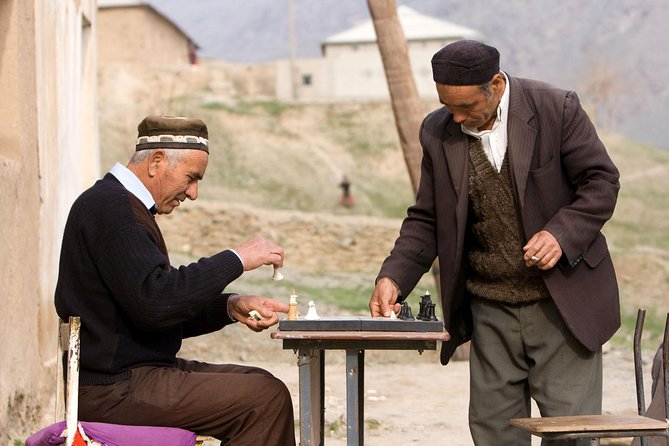
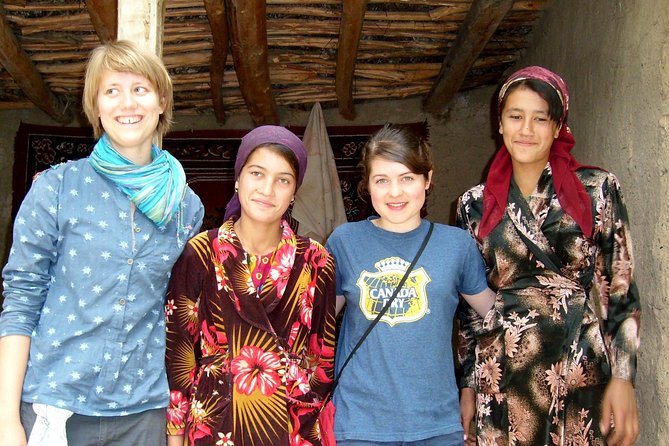
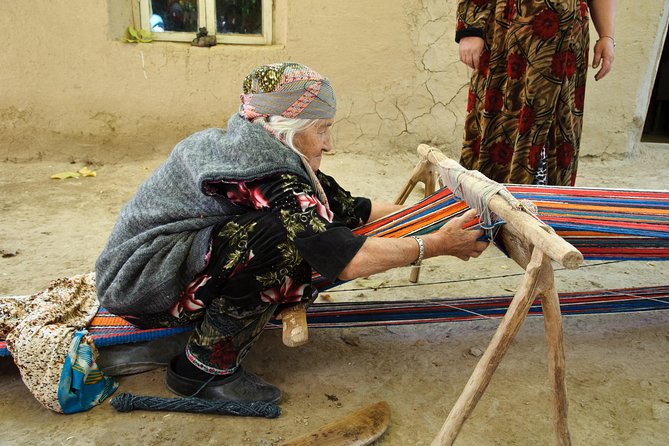
The most praised part of the experience is not a single ruin or viewpoint. It is the way the trip connects you with host families and guides. The warmth of the families, the friendliness of the guides, and drivers arriving on time all point to a well-run experience.
That reliability matters in a four-day route. A late driver or poor transfer connection could spoil an entire day, especially when you are moving between remote villages. The positive comments about safe, punctual transport give this trip extra weight.
The homestays also make the route feel personal. You can simply enjoy the meals, or you can take part in preparing Uzbek food. Choose the second option if you want conversation and a closer look at household routines. Choose the first if you are tired after hiking and need a quiet evening.
The food is included, but the tour information does not promise a special dietary menu. If you have dietary restrictions, ask the operator before booking. Do not assume a remote homestay can handle every request at short notice.
Fitness, packing, and group expectations
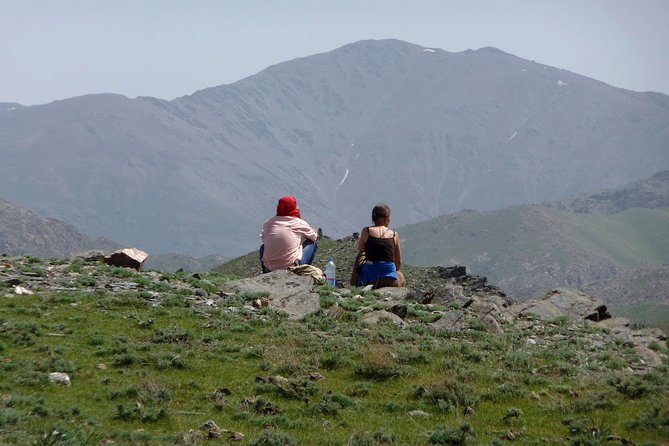
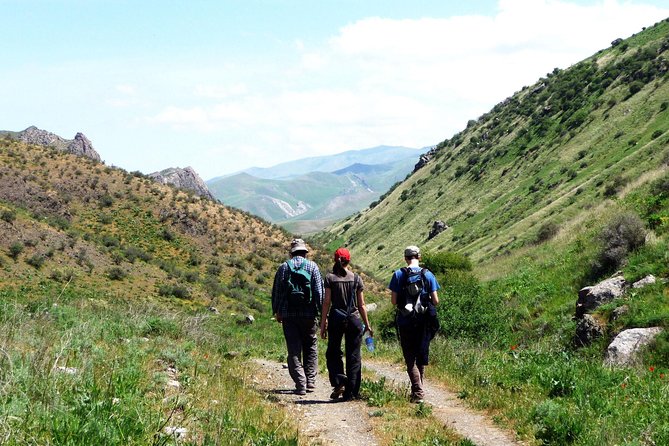
You should be comfortable walking for four to five hours on three consecutive days. The total published hiking distance is about 34 kilometers, spread across the routes to Uhum, Asraf, and Eski Forish.
Most people can participate, but that does not mean every pace or fitness level will feel the same. The terrain, weather, and elevation can affect the effort. Good shoes, layered clothing, sun protection, water, and a small day pack are sensible choices.
Pack your main luggage with the donkey transfer in mind. Keep documents, medication, electronics, and other essentials in the bag you carry yourself. Since the exact homestay facilities are not described, pack personal items you normally need for a rural overnight stay.
A small group helps with communication and trail pacing. You will have fellow hikers around, but the trip is not private. If you want a fully flexible schedule or long solo stretches, this format may feel structured. If you like shared meals and company on a long walk, it should work well.
Weather, cancellations, and who should book
The tour requires good weather. If conditions force a cancellation, you are offered a different date or a full refund. The same applies if the minimum group size is not reached.
You can cancel for a full refund up to three full days before the experience begins. Later cancellations and changes are not refunded or accepted, so check your plans before the cutoff.
I would recommend this tour to hikers who want rural Uzbekistan without spending days arranging transport. It suits people who value local food, basic homestays, historical sites, and a guide who handles the route.
I would be more cautious if you need hotel-style comfort, dislike long road transfers, or are not ready for repeated mountain walks. The city-to-city transfer is useful, but the trip is built around the countryside. That is its strength, and also its limit.
FAQ
Where does the tour start?
The tour starts in Bukhara at the Khodja Nasreddin statue beside Lyabi Haus Pool. The schedule gives 8:30 as the meeting time, while the general tour details list 9:00, so confirm the exact time before departure.
Where does the tour finish?
The tour finishes in Samarkand at Gur Amir Mausoleum, also known as the Amir Temur Mausoleum.
How long is the tour?
The tour lasts approximately four days. The itinerary includes one long transfer from Bukhara to Hayat, three main hiking days, and a final transfer from Asraf to Samarkand.
How far do you hike?
The listed hiking routes cover about 12 kilometers on day two, 11 kilometers on day three, and 11 kilometers on day four. The walks take roughly five hours each.
Are meals and accommodation included?
Yes. Meals are included, and overnight stays are in local homestays. You may also help your hosts prepare Uzbek meals if you wish.
How many people can join the tour?
The maximum group size is 12 people. The tour also requires a minimum number of bookings to operate.
Should you book the Hayat, Uhum, and Asraf hike?
Book it if you want a practical bridge between Bukhara and Samarkand, with real time in the Nuratau villages along the way. The included meals, local homestays, reliable transfers, luggage-carrying donkeys, and small group make the $380 price reasonable for a remote four-day route.
Skip it if your idea of Uzbekistan is limited to grand monuments and comfortable city hotels. This trip asks you to walk, share space with host families, and accept a slower rural rhythm. For the right kind of hiker, that is exactly why it earns its strong 4.9 rating.
Freshly added in Bukhara
- Private Tour in 3 top Places Outside of Bukhara City★ 5.0 · 2 reviews
- Full-Day Private Guided Tour to Islamic 7 Saints of Bukhara★ 4.5 · 3 reviews
- Bukhara: Tour Outside of Old Town. Guide with Transportation★ 5.0 · 2 reviews
- Bukhara in a Day History, Culture, and Local Insight Private Tour★ 5.0 · 4 reviews
- Discover Bukhara One Day Group Experience★ 4.5 · 2 reviews
- Bukhara Walking Tour★ 5.0 · 4 reviews
- Bukhara Hammam Bathhouse with Massage★ 5.0 · 2 reviews
- A Complete Chapter To Old Bukhara★ 5.0 · 5 reviews
Hiking & Trekking, compared.
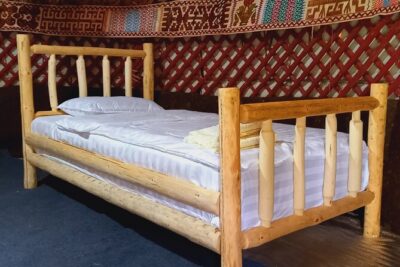
Yurt stay and Hiking in the Nurata Mountains tour – 2 days
Read our review →
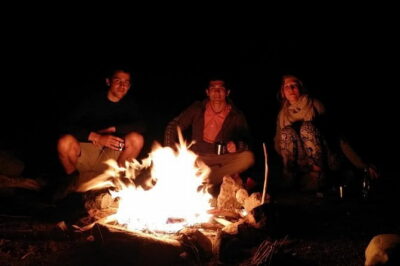

Hiking from Samarkand ( Ohalik village and Mountains)
Read our review →Browse the lists this tour appears in