
Reviewed · CHIMGAN & AMIRSOY MOUNTAIN TRIPS
Tashkent: 3-Day Horseback Riding Tour in Chimgan Mountains
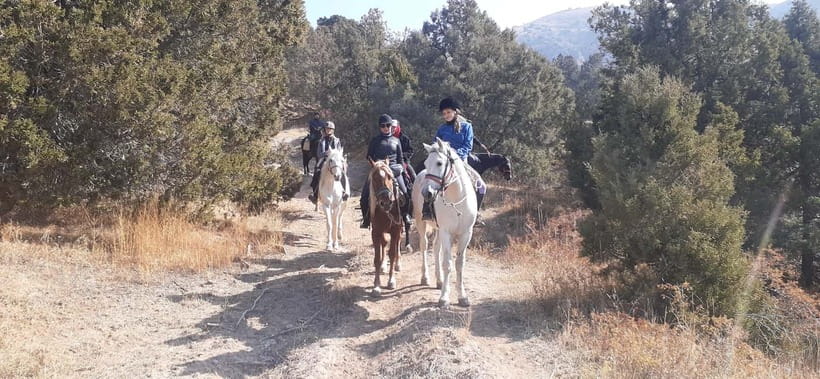
The mountains do the talking. This three-day horse tour from Tashkent takes you across the Chimgan Mountains by way of river valleys, alpine meadows, mountain passes, and views over Charvak Lake. You sleep outdoors, eat meals prepared by a local cook, and spend time with villagers and shepherds rather than simply stopping at viewpoints.
I like the wild camping beside rivers and the chance to ride through places that are hard to reach by road. I also like the strong local touch: a horseman, a cook, family meals, shepherds’ pastures, and a mountain bee farmer’s shelter. The main caution is that the advertised riding schedule may not always match what happens on the ground, especially on the final day.
I would recommend this to a fit rider who wants mountain scenery and a real outdoor trip, not polished resort comfort. You should be ready for five to six hours in the saddle, rough camping, river crossings, steep climbs, changing weather, and a flexible pace.
In This Review
- What Makes This Chimgan Horse Tour Special
- Leaving Tashkent for Aksai Valley
- What the First Camp Means for Comfort
- Day Two: Rivers, Bees, Chet Kumbel, and Open Meadows
- Day Three: Villages and the View Over Charvak Lake
- Horses, Guides, and the Pace of the Group
- Food, Culture, and the Human Side of the Route
- Is $430 a Fair Price?
- What to Pack for Chimgan
- Should You Book This Horseback Tour?
- FAQ
- How long is the horseback riding each day?
- Where does the tour start?
- How do I travel from Tashkent to the mountains?
- Is camping included?
- Are meals included?
- Is a guide included?
- How many people can join the group?
- What riding conditions should I expect?
- What should I bring?
- Can people with mobility, heart, respiratory, or back problems join?
What Makes This Chimgan Horse Tour Special
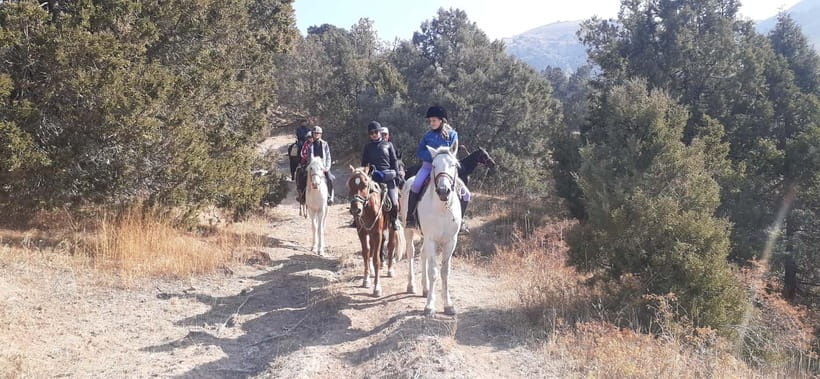
- Ride from Aksai Valley to high mountain passes: You cross rivers, climb toward Archali Pass and Chet Kumbel Pass, and pass through several distinct mountain zones.
- Sleep beside rivers and in open meadows: The camps are simple, close to nature, and far removed from city life.
- Canter in alpine country: The broad meadow near Kumbel Mountain and the area near Akshuran Pass provide some of the best chances for faster riding.
- Share food and local life: A cook handles full-board meals, while village visits and a family meal add a human side to the route.
- Finish above Charvak Lake: The final ridge gives you a wide view of the lake and the surrounding Chimgan peaks.
- Small groups keep the ride personal: The maximum group size is 10, with an English-speaking guide and horseman.
Leaving Tashkent for Aksai Valley
Your day starts with pickup in Tashkent and a drive toward the mountains. For up to three people, the operator may use a Chevrolet Lacetti. Larger groups travel in a van such as a Hyundai Starex. Pickup is available from your hotel or another agreed location, which makes the early start easier.
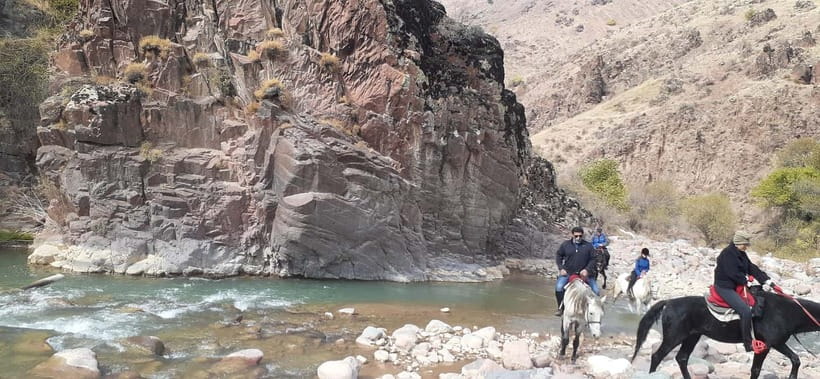
The first riding section leads past the village and upward toward Aksakata Mountain. This is a useful introduction to the trip because you move from settled valley areas toward open mountain country. You are not simply sitting on a horse for a short photo stop. The route involves sustained riding, with climbs and descents that require balance and patience.
After a rest, you cross the valley toward Archali Pass. The scenery here includes horse packs, livestock, and summer pastures used by shepherds. That detail matters. You are seeing the Chimgan Mountains as working countryside, not only as an outdoor playground.
Lunch comes near the marble belt. The pale rock gives this part of the route a different look from the grassier valleys and forested sections later in the tour. After eating, you descend toward the meeting point of the Aksaka Ata and Nurik Ata rivers.
A wooden bridge takes you across the water, followed by a ride through a valley known for its alpine plant life. The route then reaches the first camp near the river. The evening routine includes setting up tents, making a fire, eating dinner, and looking at the night sky.
This is the part of the experience that appeals most to people who want a genuine camp rather than a hotel with a mountain view. It is also where you feel the tradeoff. River camps and open meadows bring quiet and scenery, but they do not offer normal toilets, showers, or indoor shelter.
More Chimgan & Amirsoy Mountain Trips in Tashkent
- Best of Tashkent Mountains: Amirsoy, Chimgan & Charvak Trip
★ 4.8 · 567 reviews - Tashkent Tour at Amirsoy, Chimgan Mountains and Charvak lake
★ 5.0 · 37 reviews - Private tour: Amirsoy, Chimgan mountains & Charvak
★ 5.0 · 21 reviews
What the First Camp Means for Comfort
The tour supplies a tent, sleeping bag, sleeping rug, and kitchen equipment. A donkey carries supplies, while the horseman and guide handle the horses and camp work with help from the cook.
You receive full-board food during the mountain portion. Breakfast includes hiking porridge and hot coffee, and dinner is prepared at camp. The cooking received especially strong praise, and that is important on a demanding riding trip. A hot meal at the end of a long day can make simple camping feel far more manageable.
Still, you should bring realistic expectations. Wild camping is not a refined version of hotel camping. The tour information does not promise bathroom facilities, and one account describes a weather-related camp being moved to a field near town. That arrangement offered less privacy than expected, with hotels and toilets a short walk away, but without the comfort of staying in one.
Ask clear questions before departure. Confirm the tent, sleeping gear, camp location, and the planned riding hours. One booking party arrived without a tent after an equipment discussion did not reach the guide. The provider does include camping gear, but this mix-up shows why you should confirm the details directly.
Day Two: Rivers, Bees, Chet Kumbel, and Open Meadows
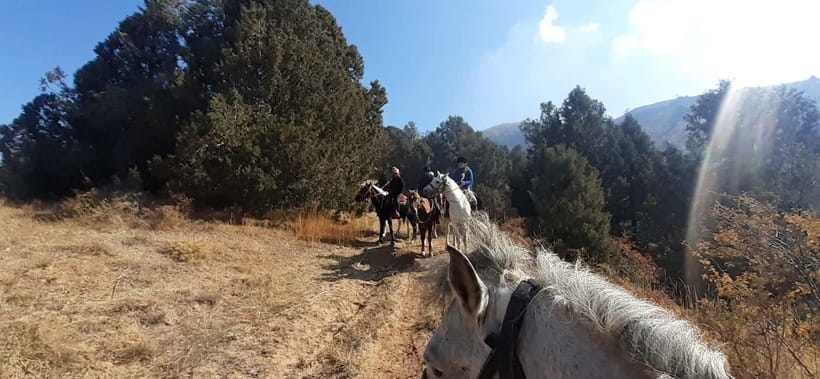
Day two begins early with breakfast, hot coffee, and the task of packing camp. The riding is more demanding than the first day. You cross rivers and deal with repeated ascents and descents before reaching a mountain bee farmer’s shelter.
The shelter offers a natural rest point for both you and the horses. It also gives you a glimpse of a mountain livelihood that has little connection to the usual sightseeing route. After the break, the trail climbs toward Chet Kumbel Pass.
Lunch is planned near spring water and a very old tree, described as about 1,000 years old. The setting sounds like one of the more memorable pauses of the trip: shade, water, and a natural landmark in high country. From there, you traverse Kumbel Mountain toward a ski slope and then climb through forest toward a large rock.
About half an hour later, the trail reaches a broad alpine meadow. This is one of the best sections for a canter, though your ability to ride faster will depend on your experience, the horse, the trail, and the guide’s decision. You should not treat the cantering sections as guaranteed race tracks.
The route then descends toward a marble gorge. The schedule includes another rest and meal stop in this area before the trail climbs again to Urta Kumbel. A quick descent follows into Beldersai Valley, where you cross the river and continue through Yakka Archa toward Chet Kumbel.
The second camp is set near a river. By now, you will have a better feel for the rhythm of the tour: ride, stop, water the horses or rest them, eat, climb again, and settle into camp before dark.
Day two is likely the toughest day physically. Five or six hours on a horse can leave your legs, lower back, and seat sore even if you ride regularly. The repeated climbs and descents add effort. You should be comfortable with basic horseback riding before signing up.
Day Three: Villages and the View Over Charvak Lake
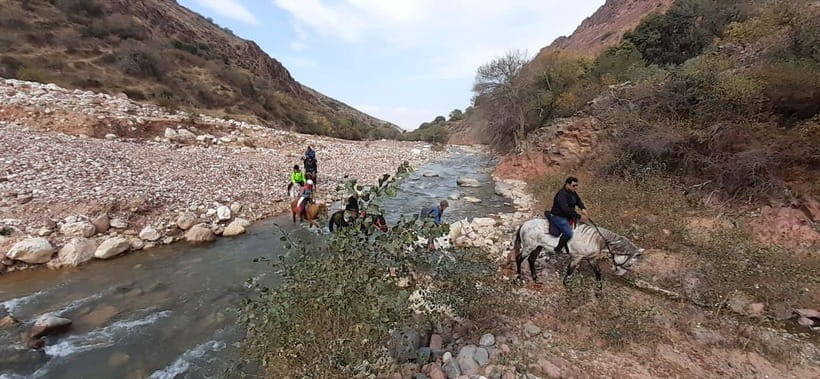
After breakfast, you ride along a meadow before descending toward the Beldersai River bridge. You cross the bridge and climb toward Uchterak village.
Lunch near the village breaks up the ride, and the route then passes through the settlement. This is a chance to see daily life in the mountains and meet local people in a setting that feels less staged than a formal cultural stop. You also cross the Galvaysai River before climbing toward Akshuran Pass.
Another cantering area appears near the pass. Later, you ride along the ridge through the rolling red cliffs of Kyzyljar. The red rock should provide a strong contrast with the pale marble areas, green meadows, and darker mountain slopes seen earlier.
After several hours, the route reaches a peak described as the last point, where Charvak Lake comes into view. This is the visual payoff of the tour. You have approached the lake from high mountain country rather than simply driving to a roadside lookout.
From the viewpoint, you rest and walk down to Chorvak Oromgohi. Your driver meets you there for the return journey to Tashkent. You say goodbye to the horseman and his brother before leaving the mountains.
There is one important scheduling issue. The published plan describes a full riding day, but one actual departure included only about two and a half hours on horseback on the final day. The reason may be weather, route changes, or local conditions, but you should ask the operator how much riding is currently planned for day three.
Same stretch of the Silk Road, a different sort of day:
- Samarkand One Day Tour – Departure From Tashkent
★ 5.0 · 313 reviews - Tashkent City Tour
★ 5.0 · 121 reviews - Shymkent Day Tour from Tashkent
★ 4.6 · 71 reviews - Highlights of Tashkent (old and new part)
★ 5.0 · 60 reviews
Horses, Guides, and the Pace of the Group
The package includes four horses, two for the riders and two for the horseman and guide, plus a donkey for carrying supplies. The arrangement suggests a small, hands-on operation rather than a large riding stable with many spare horses.
The English-speaking guide and horseman are central to the experience. They provide riding instruction, route guidance, horse care, camp support, and mountain knowledge built from years in the area. A small group of no more than 10 helps, but the exact riding pace may still be shaped by the least experienced rider and by weather.
If you are a beginner, be honest about your riding background before departure. Basic instruction is part of the service, but this is not a short lesson in a fenced arena. You will spend long hours on mountain trails, with river crossings, steep sections, and uneven ground.
If you already ride, you will likely appreciate the variety. The trip includes walking the horses through difficult sections, steady climbs, descents, and opportunities to canter in open meadows. The horses are working animals, so treating them carefully and following the horseman’s instructions matters.
Food, Culture, and the Human Side of the Route
The food may be one of the strongest parts of this trip. A local cook prepares meals throughout the camping section, including breakfast porridge, hot coffee, lunches, and dinners. You also have the chance to eat at a family’s home near the end of the route.
That family meal gives the tour a warmer connection to the region than a standard packed lunch. It also helps you understand that the mountains are home to people, livestock keepers, farmers, and seasonal workers. The route passes shepherds’ summer pastures and a mountain beekeeper’s shelter, so local life is present throughout the ride.
The cultural contact is informal. You should not expect a museum-style presentation or a long, scripted village tour. Instead, you get brief encounters shaped by the route and by the people who live there. For many riders, that is the point.
Meals in Tashkent are not included, so budget separately for food before pickup and after your return. Transport to and from the mountains is included, along with registration and camp equipment.
Is $430 a Fair Price?
At $430 per person, the price is not a bargain day ride, but it covers a lot for three days. You receive mountain transport, an English-speaking guide, a horseman, horses, a donkey for supplies, camping equipment, kitchenware, a cook, registration, and full board.
The value is strongest if you would otherwise need to arrange each part separately. Renting horses, hiring a mountain guide, arranging transport, buying food, carrying camp equipment, and planning a route through several passes would be difficult to coordinate on your own.
The price is less compelling if you expect a fixed schedule, hotel-level comfort, or guaranteed riding hours. The experience depends on weather, trail conditions, horse welfare, and local decisions. You should treat the route as a guided mountain journey with a planned outline, not a tightly timed sightseeing product.
Free cancellation up to 24 hours before departure and the option to reserve without paying immediately reduce some booking risk. They do not remove the need to confirm equipment and the final-day plan.
What to Pack for Chimgan
Pack for riding, hiking, and sudden weather changes. The required list includes:
- Passport or ID card
- Sunglasses and a hat
- Comfortable clothes and spare clothing
- Hiking shoes
- Rain gear
- Gloves
- Personal medication
- A personal first-aid kit
- A backpack for your own mountain equipment
The provider supplies the tent, sleeping bag, and sleeping rug, but personal clothing and footwear are your responsibility. Choose practical items that can handle mud, rain, cold mornings, and long hours in the saddle.
You should also bring patience. A river crossing may take time, a pass may require the horses to slow down, and a camp may move because of weather. The less you expect a rigid timetable, the more you can enjoy the route.
This tour is not suitable for people with back problems, mobility limitations, heart problems, or respiratory issues. The riding hours, mountain elevation changes, and uneven trails make those restrictions important rather than minor legal wording.
Should You Book This Horseback Tour?
Book it if you want three days of active mountain travel, can handle five to six hours of riding per day, and like the idea of sleeping beside rivers instead of returning to Tashkent each evening. The strongest reasons to go are the scenery, the local food, the river crossings, the alpine meadows, and the chance to reach Charvak Lake from the ridges above it.
Think twice if you need private bathrooms, exact riding times, polished organization, or a guaranteed full final day in the saddle. Before paying, confirm your riding experience, camping equipment, current route, and expected hours for day three.
For a fit and flexible rider, this is a memorable way to see the Chimgan Mountains. You trade comfort and certainty for open country, local contact, and a route that feels far removed from the city.
FAQ
How long is the horseback riding each day?
The tour involves about five to six hours of horseback riding each day. Actual riding time can change because of weather, trail conditions, and route decisions.
Where does the tour start?
Pickup is in Tashkent. You can wait at your hotel or another agreed location.
How do I travel from Tashkent to the mountains?
Transport is included. Groups of up to three people may travel in a Chevrolet Lacetti, while larger groups use a van such as a Hyundai Starex.
Is camping included?
Yes. The package includes a tent, sleeping bag, sleeping rug, and kitchenware. Camping takes place near rivers and in meadows.
Are meals included?
Full-board food is included during the mountain tour. Meals in the city are not included.
Is a guide included?
Yes. The tour includes an English-speaking guide and a horseman. A local cook also prepares the meals.
How many people can join the group?
The group is limited to 10 participants.
What riding conditions should I expect?
You should expect river crossings, mountain passes, ascents, descents, and changing weather. Some sections include areas where you may be able to canter.
What should I bring?
Bring your passport or ID card, sunglasses, a hat, spare clothes, hiking shoes, rain gear, comfortable clothes, gloves, personal medication, and a personal first-aid kit.
Can people with mobility, heart, respiratory, or back problems join?
No. The tour is not suitable for people with back problems, mobility impairments, heart problems, or respiratory issues.
Freshly added in Tashkent
- Uzbek Brews & Views: Tashkent Craft Beer Discovery Tour★ 5.0 · 2 reviews
- Uzbekistan Tour – 6 Days 5 Nights★ 5.0 · 4 reviews
- Tashkent International Airport (TAS) to Tashkent – Arrival Private Transfer★ 5.0 · 2 reviews
- 8-Day Private Tour in Uzbekistan with Pick Up★ 5.0 · 2 reviews
- Tashkent-Samarkand-Bukhara tour-3nights/4 days★ 5.0 · 5 reviews
- Tashkent Food and Metro Journey★ 5.0 · 4 reviews
- Private Intercity Transfer Tashkent – Samarkand – Tashkent★ 3.5 · 3 reviews
- Tashkent Mountain Tour Amirsoy with Transport★ 3.5 · 3 reviews
Chimgan & Amirsoy Mountain Trips, compared.
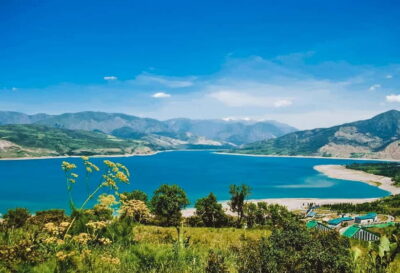
Best of Tashkent Mountains: Amirsoy, Chimgan & Charvak Trip
Read our review →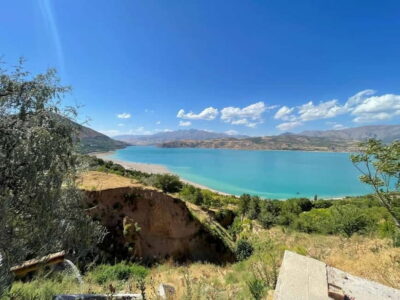
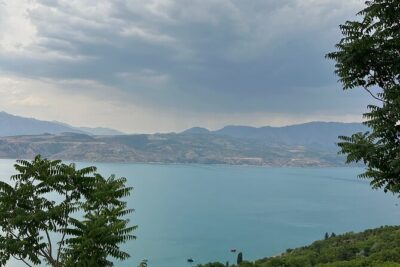
Tashkent Tour at Amirsoy, Chimgan Mountains and Charvak lake
Read our review →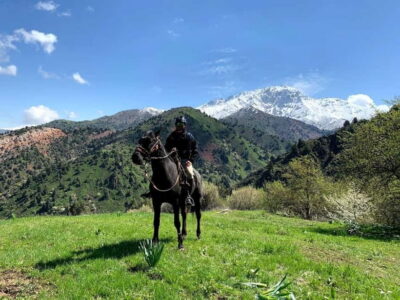
Private tour: Amirsoy, Chimgan mountains & Charvak
Read our review →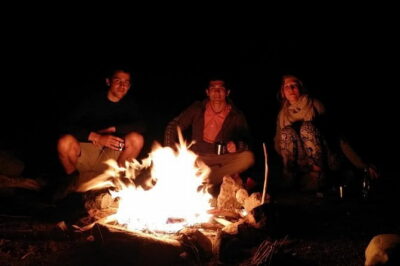
Day Trip to Amirsoy, Chimgan Mountains & Charvak Lake
Read our review →
Amirsoy, Chimgan Mountain & Charvak Lake tour from Tashkent
Read our review →Browse the lists this tour appears in